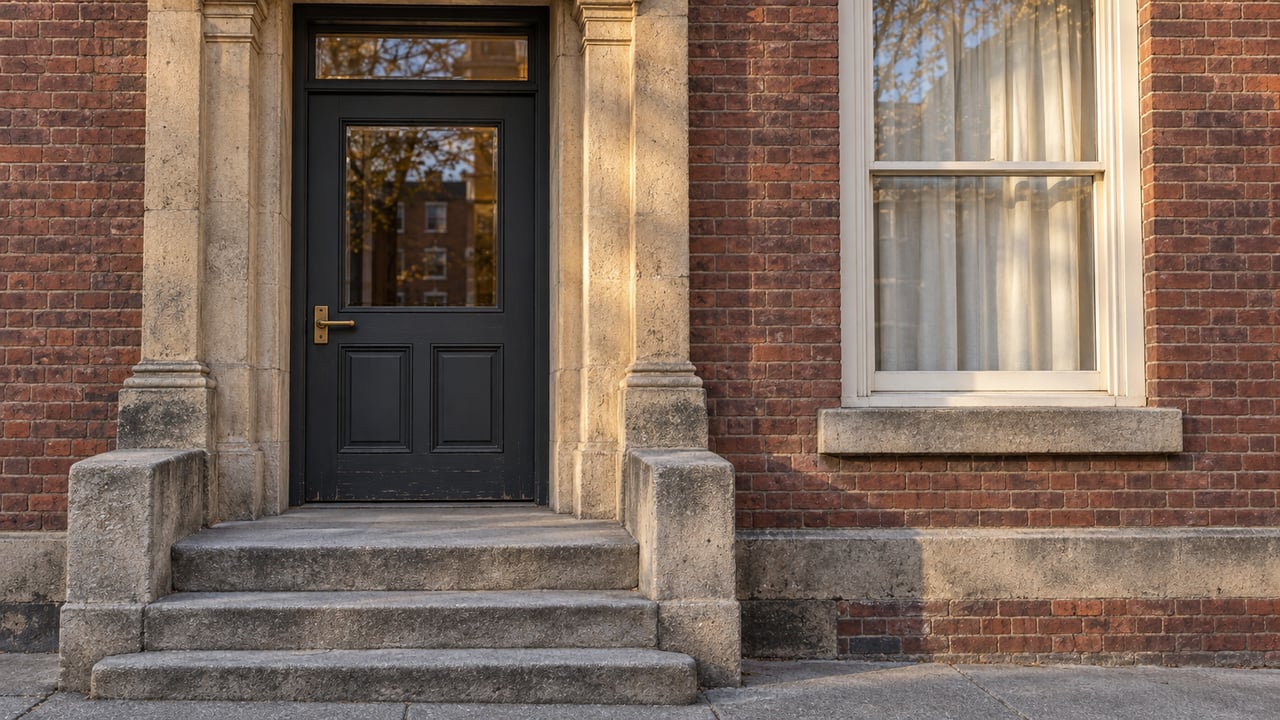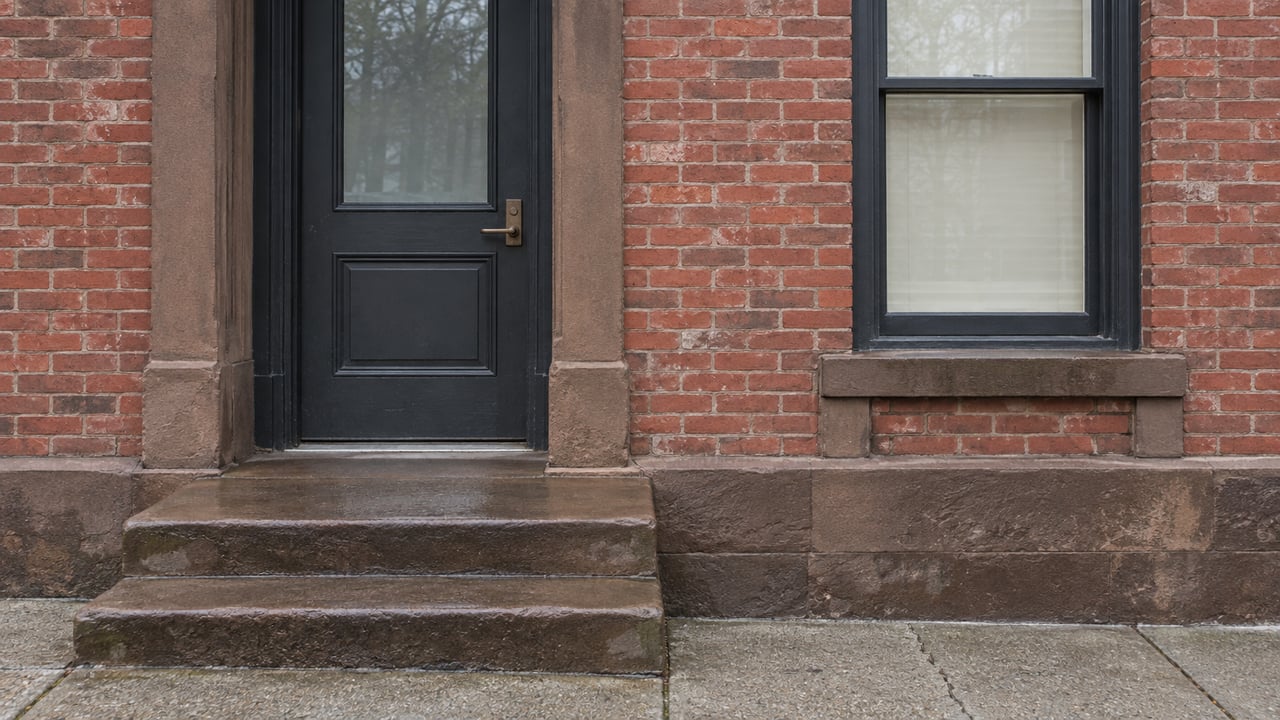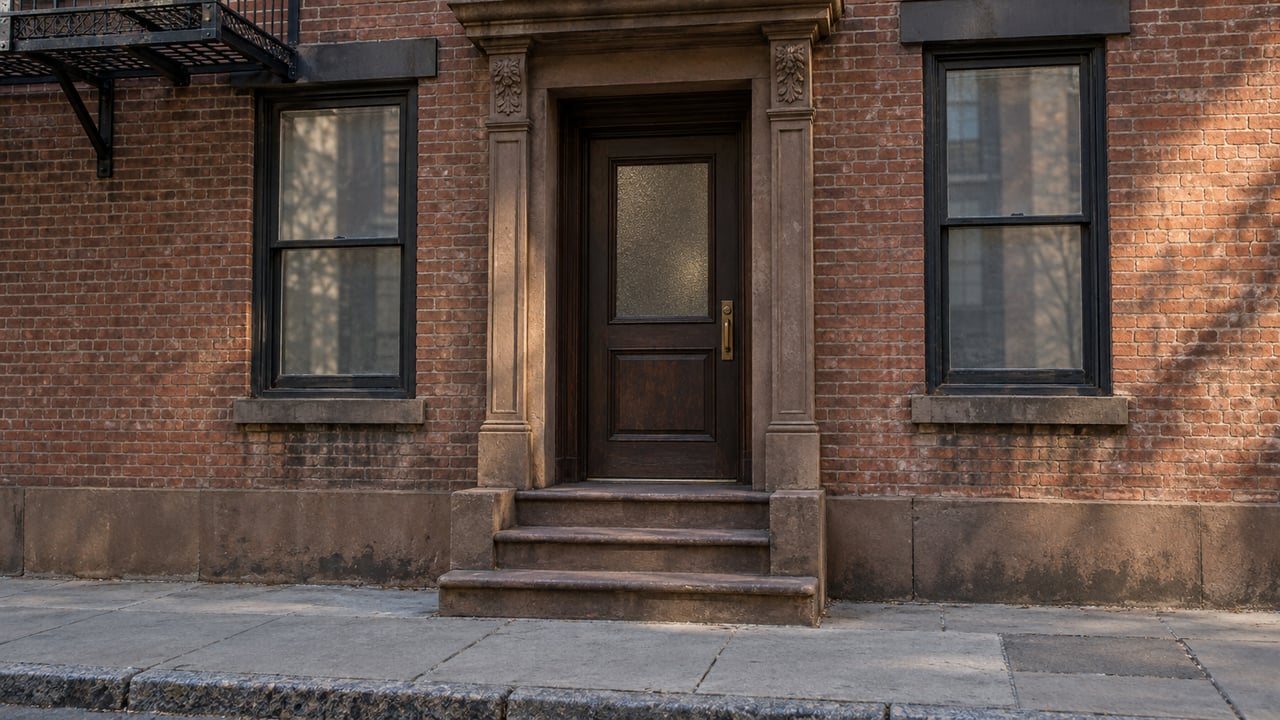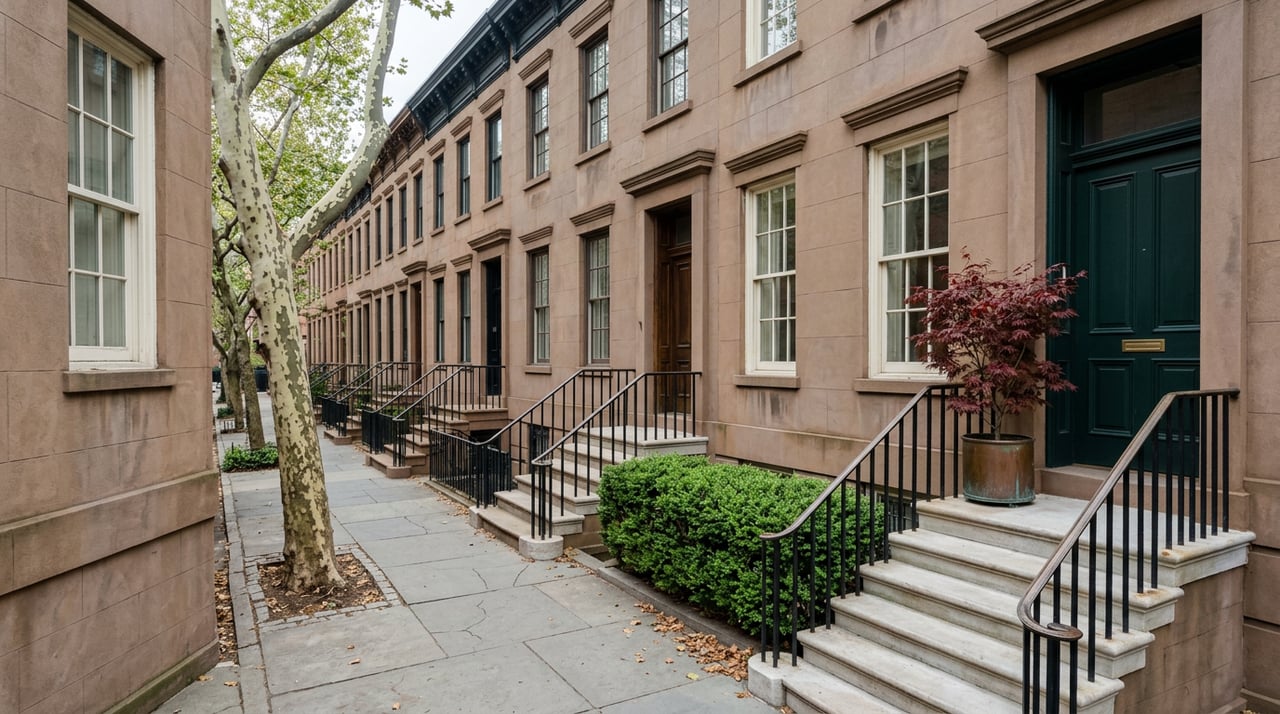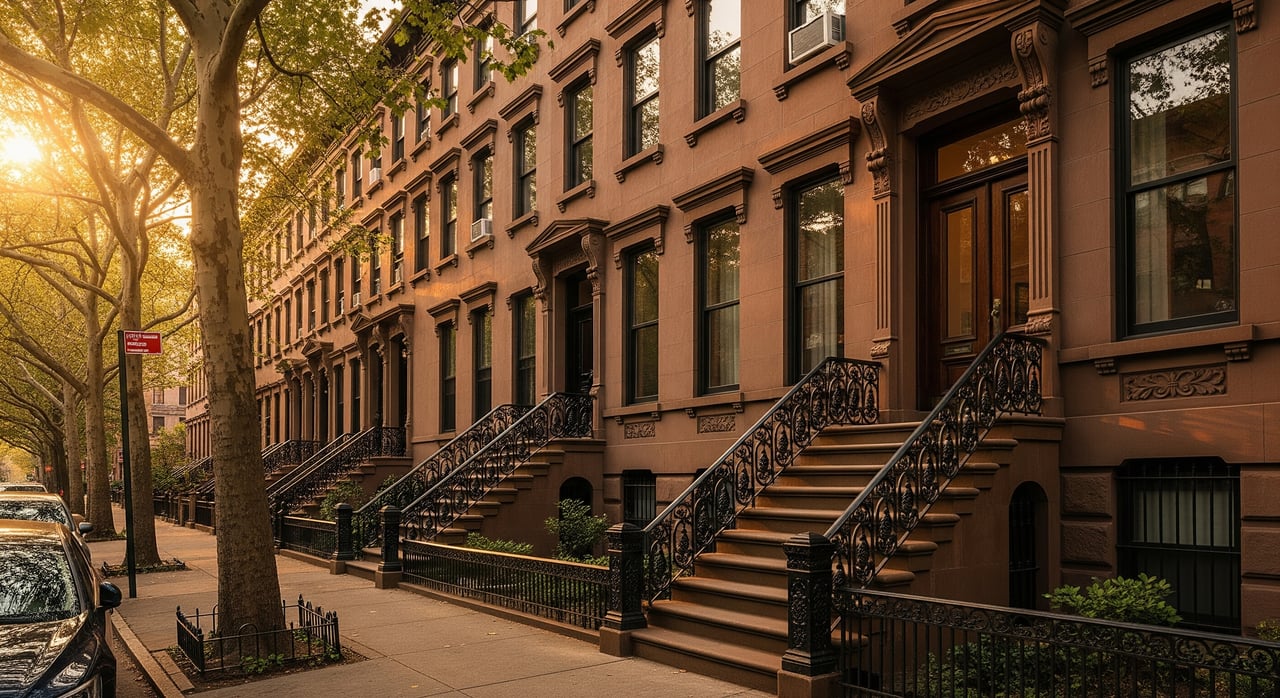
Hunting for a Park Slope brownstone but not sure which street fits your life? You’re not alone. The magic of Park Slope is that every block feels a little different, and those differences matter for light, noise, renovation rules, and long-term value. In this guide, you’ll learn how to compare the main street types, see illustrative examples, and use a block-by-block checklist to buy with confidence. Let’s dive in.
How Park Slope blocks differ
Park Slope’s value story starts with its history, Prospect Park access, and how close you are to retail corridors. Much of the neighborhood’s brownstone fabric dates to the late 19th century, and many blocks sit within designated historic districts overseen by the New York City Landmarks Preservation Commission. That context shapes everything from curb appeal to renovation flexibility.
Park-facing avenues
If park access and daylight are your top priorities, park-facing avenues often lead the list. Prospect Park brings views, bigger trees, and easy recreation. You’ll see a premium for direct park orientation and short walks to open space, which can also help with resale.
- Advantages: views, stronger daylight, instant access to Prospect Park amenities. For park programming and context, see the Prospect Park Alliance.
- Tradeoffs: weekend foot traffic can pick up along the park edge, and you may have fewer retail options on the block itself.
- Illustrative examples: Prospect Park West and sections of Fifth Avenue that run along the park.
Near commercial corridors
Living on or just off Fifth Avenue or Seventh Avenue puts you close to dining, groceries, and transit stops. Corridor-adjacent blocks often feel lively and convenient.
- Advantages: walkability to services and restaurants, easy access to subway and bus lines.
- Tradeoffs: higher street noise at night, delivery activity, and tighter parking.
- Illustrative examples: blocks abutting Seventh Avenue between roughly 9th and 15th Streets, and the Fifth Avenue retail strip near the park.
Quiet Place streets and interior blocks
If you want calmer, tree-lined energy, the short Place streets and interior lanes can shine. These are typically picturesque, low-traffic, and very residential.
- Advantages: lower traffic, strong curb appeal, steady sunlight depending on canopy.
- Tradeoffs: smaller lot depths on some blocks, fewer immediate retail options, and parking can be tricky.
- Illustrative examples: Berkeley Place and Garfield Place are often cited as charming residential lanes in the Park Slope context.
Transitional blocks near major arteries
Blocks close to major thoroughfares like Fourth Avenue or Flatbush Avenue can feel more mixed, shifting from brownstone rows to larger buildings.
- Advantages: quick access to bus and subway connections and through-streets; some homes configured as multi-family or rentals.
- Tradeoffs: taller neighbors can cast shadows or reduce privacy; traffic noise is more likely.
Landmarked vs non-landmarked blocks
Historic context is a key variable. Landmarked blocks protect exterior character and generally maintain cohesive façades, while non-landmarked blocks may offer more exterior flexibility.
- Advantages of landmarked: conserved block character that appeals to many buyers.
- Tradeoffs of landmarked: exterior alterations usually require LPC approvals, which add time and cost.
What drives value on your block
A few block-level traits consistently shape pricing and daily life:
- Park orientation and viewlines: Park-facing homes typically command premiums and deliver better daylight and outdoor access.
- Proximity to retail: Closer to Fifth or Seventh Avenue often means higher convenience, with a noise tradeoff that varies by block.
- Transit access and noise: Shorter walks to stations usually help demand. Being immediately adjacent to busy entry points can add noise.
- Tree canopy and sunlight: Mature trees beautify a block but can reduce light. Façade orientation matters for interior brightness.
- Zoning and lot patterns: Far, setbacks, and lot depth affect whether you can expand. Check zoning with the NYC Department of City Planning.
- Landmark controls: Protected façades support long-term character yet limit exterior changes and influence costs.
- Building condition and alterations: Rows with intact historic façades can draw interest, while heavily modified rows may trade charm for lower maintenance.
- Noise sources: Single late-night venues, houses of worship, or emergency routes can change the feel of a block. Visit at different times to test.
Micro-visit due diligence checklist
Use this quick checklist to pressure-test a brownstone’s micro-location before you write an offer.
Walk the block
- Visit weekday daytime, weekday evening, and weekend to gauge noise, lighting, and parking.
- Stand outside the property to observe deliveries, sanitation routines, and nearby commercial uses.
Verify rules and potential
- Confirm landmark status with the Landmarks Preservation Commission.
- Review zoning and allowable FAR with NYC Planning to understand potential expansions.
Inspect the building
- Hire an inspector experienced with brownstones to assess cellar water intrusion, structural settling, façade condition, stoop integrity, roof and gutters, chimneys, and original systems.
- Consider a masonry or historic façade specialist if you see spalling or stair issues.
Research records and title
- Search the NYC Department of Buildings for open permits, violations, and past alterations.
- Ask your attorney to check for easements, party-wall agreements, and sidewalk vault responsibilities.
Budget for likely work
- Façade and stoop restoration, masonry repointing, and brownstone repairs.
- Cellar waterproofing and drainage improvements.
- Mechanical upgrades, plus potential asbestos or lead abatement in older systems.
Check services and commute
- Walk to the nearest groceries, pharmacies, and services on Fifth or Seventh Avenue.
- Map your commute with MTA subway and bus resources and stand near the closest station at peak times to assess noise and crowding.
Plan for resale
- Compare recent comps on the same and adjacent blocks. Small micro-location differences can shift price and demand.
Choosing your street: quick scenarios
- You want morning park runs and bright rooms: Focus on park-facing or park-adjacent avenues with strong eastern or southern light.
- You want maximum convenience and nightlife: Look near Fifth or Seventh Avenue and balance the specific block’s noise patterns.
- You prefer quiet and curb appeal: Target Berkeley Place, Garfield Place, and similar interior lanes.
- You need transit speed over everything: Explore transitional blocks near major arteries and weigh privacy and shade tradeoffs.
Renovation and landmark realities
Most Park Slope brownstones date from the 1860–1910 period. Common projects include façade patching where stone has deteriorated, stoop and stair repairs, masonry repointing, roof and gutter work, cellar waterproofing, and mechanical upgrades. If your block is landmarked, exterior changes typically require LPC review, which can extend timelines and influence materials and techniques. For broader preservation context on historic masonry, the National Trust for Historic Preservation offers helpful guidance.
If you plan to add a rear extension or reconfigure layouts, first verify zoning and lot coverage with NYC Planning, then check building records and discuss feasibility with your architect and the Department of Buildings.
Next steps
Finding the right Park Slope brownstone is part vibe check, part due diligence. Start by shortlisting block types that match how you live, then validate landmark status, zoning, transit, and noise at the property level. When you are ready to tour with a clear plan and negotiate with confidence, connect with Steve Schaefer for hands-on, neighborhood-first guidance.
FAQs
What are the best Park Slope streets for park access?
- Park-facing avenues like Prospect Park West and nearby sections along the park offer the shortest walks, stronger daylight, and resale appeal.
How does living near Fifth or Seventh Avenue change daily life?
- You gain convenience and evening activity close to shops and restaurants, while you trade for higher street noise and possible delivery traffic.
What should I know about landmark rules on my block?
- If you are inside a historic district, many exterior changes require LPC approval that can add time and cost but preserves block character.
How do transit and noise vary by micro-location in Park Slope?
- Being a short walk to a station is a plus, while living immediately next to busy entries or routes can add noise; preview with MTA maps and site visits.
What due diligence should I do before making an offer on a brownstone?
- Visit at multiple times, verify landmark and zoning, search DOB records, inspect for façade and mechanical issues, and map services and commute.