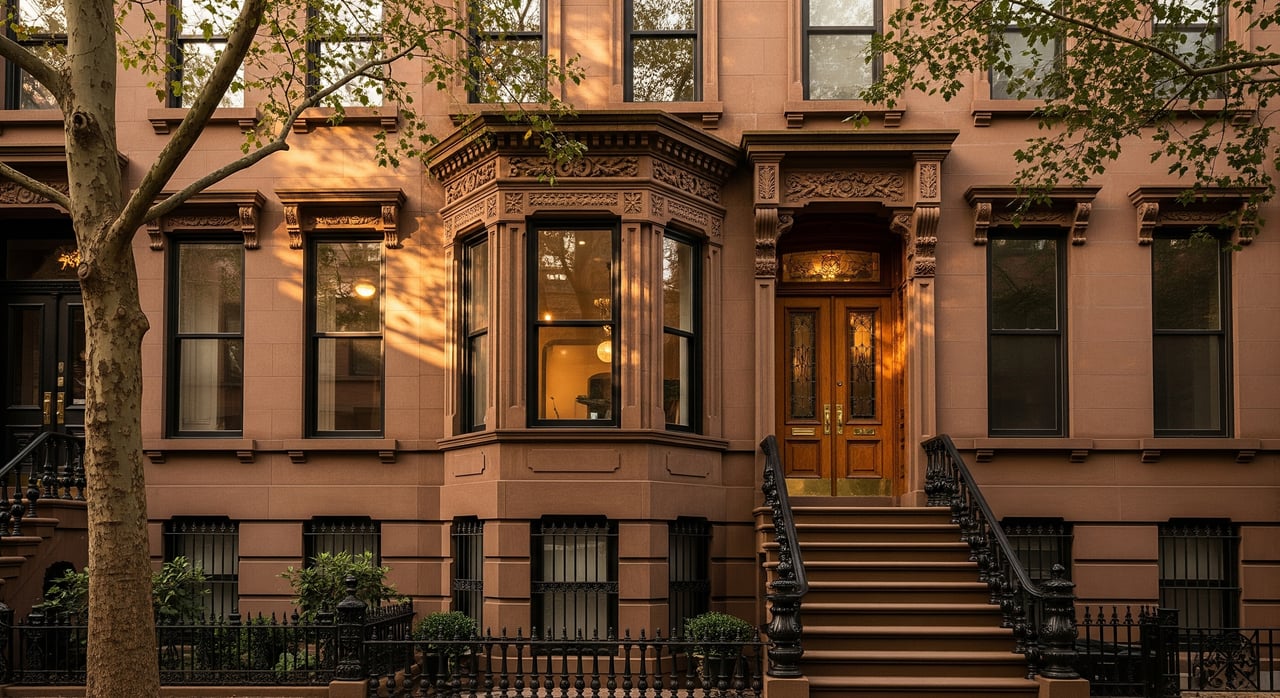
Can you tell an Italianate from a Neo‑Grec just by walking the block in Bed‑Stuy? If you are eyeing a brownstone, knowing the style is more than a fun party trick. It points to how the house is built, what repairs to expect, and how easy it will be to modernize without losing character. In this guide, you will learn the visual cues for the big four styles and how those details shape maintenance, layout, and value. Let’s dive in.
Spot Bed‑Stuy styles fast
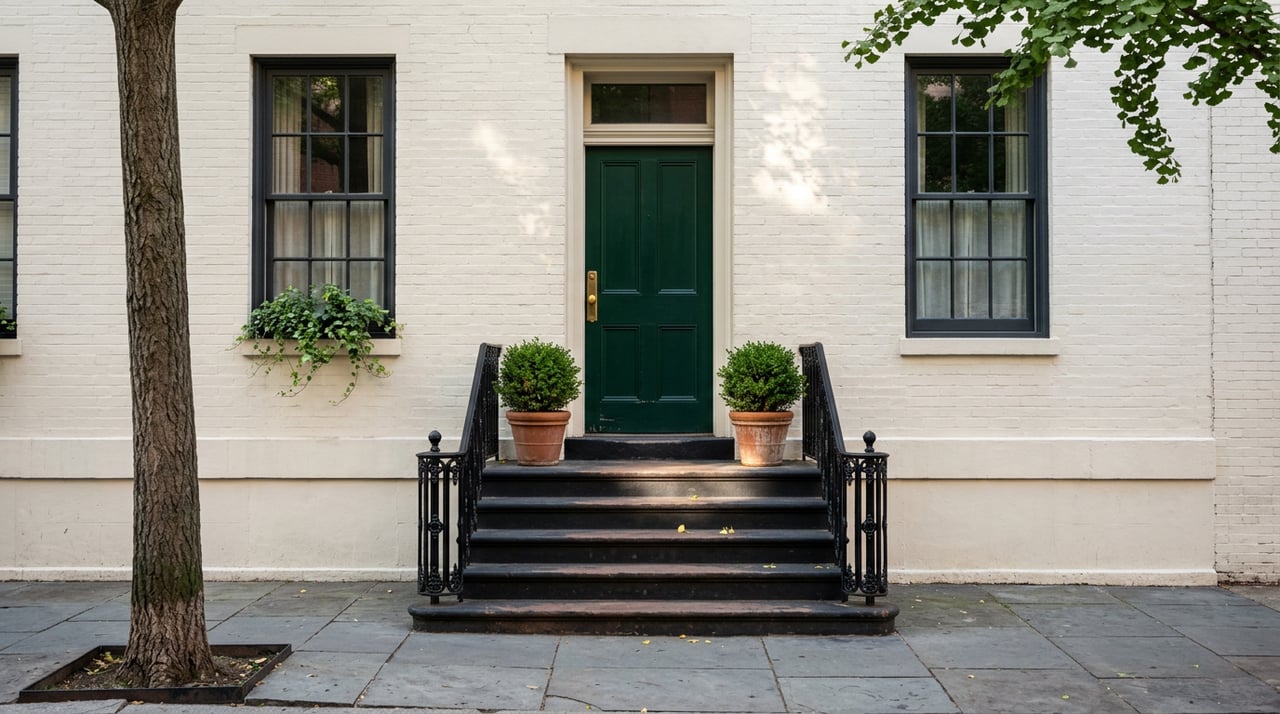
Bed‑Stuy’s townhouses were built from the 1850s into the early 1900s. Styles often blend, and later alterations are common. If you want official style descriptions and district maps, start with the NYC Landmarks Preservation Commission.
Italianate: quick ID and meaning
Visual checklist:
- Tall, narrow parlor windows, often two‑over‑two sashes
- Heavy, projecting bracketed cornice at the roofline
- Flat or segmental arches with brownstone lintels and sills
- Symmetrical facade with paired stoop and entry details
What it implies for you:
- Expect high parlor ceilings and ornate plaster mouldings. These are valuable if intact, but skilled restoration can be costly.
- Large, bracketed cornices need periodic inspection and maintenance. Cornice failure can be hazardous and expensive to fix.
Neo‑Grec: quick ID and meaning
Visual checklist:
- Angular, incised stone ornament with linear, geometric motifs
- Blockier, simplified profiles; masonry often painted
- Window surrounds with bold borders and simple pediments
What it implies for you:
- Stone and brick details are generally durable. Repairs can be more straightforward than delicate Italianate plasterwork.
- Linear ornament is friendly to partial restoration without custom carving.
Romanesque Revival: ID and meaning
Visual checklist:
- Deep round arches over doors and windows
- Heavy, rough‑textured stone and muscular massing
- Recessed entries, asymmetrical bays, or small towers
What it implies for you:
- Thick masonry walls handle time well but demand careful water management. Look for staining patterns and pay attention to gutters and flashing.
- Stone repairs and repointing call for masons experienced with rusticated and ashlar stonework.
Queen Anne: ID and meaning
Visual checklist:
- Asymmetry everywhere: turrets, angled bays, and lively rooflines
- Polychrome materials, patterned shingles, decorative woodwork
- Varied porches and decorative iron or wood balustrades
What it implies for you:
- Expect rich millwork, stair details, and stained glass. These boost appeal but are expensive to restore.
- Irregular floorplates can complicate kitchen moves, bath expansions, and HVAC routing.
Hybrids and alterations
Many Bed‑Stuy homes mix features, like an Italianate cornice with Neo‑Grec window surrounds. Later changes are common, including facade paint, replaced windows, or missing cornices. When you tour, try to separate original elements from later add‑ons. That helps you estimate restoration cost and understand historic value. For definitions and designation rules, consult the LPC’s resources.
Maintenance and renovation basics
Historic materials telegraph what they need. Use these cues to budget and plan.
Masonry and brownstone care
- Brownstone is porous. Watch for spalling, erosion at stoops and sills, and failing mortar.
- Typical fixes: repointing, stone patching or Dutchman repairs, and improving gutters and flashings to reduce water intrusion.
- Fresh paint on stone can hide problems. If the facade is painted, ask your inspector to probe behind the coating.
- For general preservation guidance, the National Park Service’s Preservation Briefs are a helpful primer.
Cornices and metalwork
- Wood or metal cornices face constant weather and movement. Failure can be dangerous, so prioritize inspection and repair.
- Cast or pressed iron at stoops and railings often rusts. Plan for surface prep, rust treatment, and periodic painting.
Roofs and gutters
- Older roofs may have multiple layers and hidden leaks. Pay extra attention to flashing around chimneys and dormers.
- Fix the roof and drainage before interior work. It prevents rework if leaks appear.
Windows and doors
- Original wood sashes are often single‑glazed. They add character but can be drafty.
- Consider sash repair, weatherstripping, and storm windows to improve efficiency while keeping original profiles. In landmarks districts, exterior changes may require LPC review.
Interiors and finishes
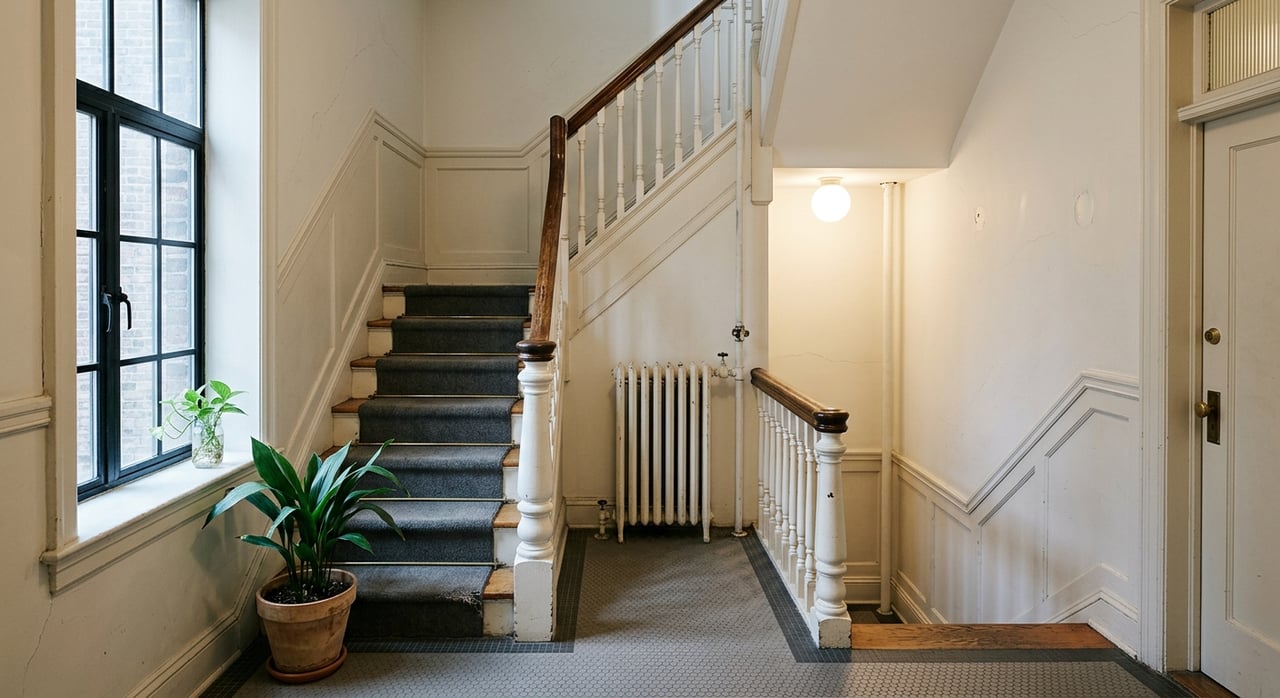
- Lath and plaster can be sound, but patching is skilled work. Original pocket doors, mantels, mouldings, and floors are high‑value features.
- Watch for older electrical systems, lead paint in pre‑1978 homes, and possible asbestos in insulation or vintage tiles. For lead rules and safety, see the EPA’s guidance.
Systems and code
- Expect to upgrade electrical service capacity, replace galvanized plumbing and cast‑iron drains as needed, and design modern HVAC that fits narrow rowhouse cavities.
- In NYC, many interior and exterior jobs require permits through the Department of Buildings. Unpermitted work can slow or derail closings.
Layout and livability
Historic layouts shape daily life and renovation strategy.
Typical townhouse organization
- Garden level: service spaces or a secondary unit
- Parlor level: formal living and dining, often with 12 to 14 foot ceilings
- Upper floors: bedrooms and baths, with smaller rooms at the top
- Attic or roof: storage or sometimes non‑compliant living space
What that means for you:
- Parlor‑level living is prized for volume and light. Moving a kitchen to the parlor is popular but involves structural work, venting, and careful routing of utilities.
- Stairs connect everything. Plan for accessibility needs and daily routines across multiple levels.
Unit count and rentals
- Many brownstones are legally two‑ or three‑family. Confirm the Certificate of Occupancy and legal apartment count early. Lenders rely on it.
- Illegal conversions or unpermitted alterations can be costly to fix. Check building records and rent rules through NYC HPD.
- Well‑maintained homes with intact details and updated systems often command premiums with renters and buyers, but verify local comps with your agent.
Zoning and landmark rules
- Zoning controls rear additions, rooftop bulkheads, and enlargements. Review feasibility with an architect and the NYC Department of Buildings.
- If the property sits in a designated historic district, exterior work will likely require LPC approvals. Interior work is usually not regulated unless it is a landmarked interior.
- For income‑producing historic buildings, the Federal Historic Tax Credit may apply. Start with the NPS tax incentives overview and check program specifics with the New York State Historic Preservation Office.
Buyer checklist for showings
Bring this punch‑list to your first tours and prioritize a thorough inspection if you move forward.
High‑value original features:
- Exterior: brownstone lintels and sills, carved trim, intact cornice brackets, original cast‑iron stoops and railings, mortar in good condition
- Interior: pocket doors, original hardware, marble or iron mantels, plaster ceilings and medallions, wide‑plank floors, stained glass, stair newel posts and balustrades
Condition clues and red flags:
- Masonry: spalling stone, efflorescence, open mortar joints, paint over stone
- Roof and envelope: sagging cornice lines, patched roof membranes, flashing at chimneys and dormers
- Moisture: damp basements, sump pumps, French drains, staining on walls
- Systems: knob‑and‑tube wiring, small electric panels, galvanized supply lines, cast‑iron waste stacks
Questions for sellers and contractors:
- What major repairs were completed and are there permits and invoices? Any warranties on roof or mechanicals?
- Any past insurance claims for water, fire, or structural issues?
- Is the property in a landmarks district and what exterior work was approved by LPC?
- Do contractors have references for brownstone masonry, cornice restoration, and window repair?
Rules and resources to know
- Landmarks: The LPC site hosts district maps, application guidance, and permit checklists.
- Permits: Plan approvals, plumbing, electrical, and facade work are handled by the Department of Buildings.
- Lead and asbestos: Review the EPA’s lead resources and confirm licensed abatement where required.
- Housing and rent: Research rules and records through NYC HPD.
- Preservation know‑how: The NPS Preservation Briefs offer deep dives on materials and methods.
- Local case studies: Explore restoration stories and contractor insights on Brownstoner.
Work with the right pros
Brownstones reward experience. Look for:
- Architects and contractors with LPC approvals in Brooklyn and references for brownstone masonry, cornices, and sash restoration
- Licensed, insured firms that can coordinate permits and protect historic finishes during work
- Inspectors who know rowhouse systems, moisture patterns, and common Bed‑Stuy conditions
If the property is income‑producing and you are evaluating a certified rehabilitation, review the NPS tax incentives and speak with the State Historic Preservation Office before planning.
Ready to tour Bed‑Stuy brownstones?
If you want a guide who can help you read facades like liner notes and keep your renovation plan on beat, let’s talk. From identifying style and original features to navigating LPC and DOB, you will have a partner from first tour to closing. Reach out to Steve Schaefer to start your Bed‑Stuy brownstone search today.
FAQs
How do I identify original woodwork and mantels in a Bed‑Stuy brownstone?
- Look for consistent age in finish and wear, original joinery, and period‑appropriate hardware. Pocket doors, carved newel posts, and marble or iron mantels are strong indicators of original interiors.
What brownstone facade issues should I budget for as a buyer?
- Common costs include repointing, stone patching where spalling is present, and cornice repair. Inspect gutters and flashings first since water management prevents repeat damage.
Do I need Landmarks approval to replace windows in Bed‑Stuy?
- If the property is in a designated historic district, exterior changes often require LPC review. Consider sash restoration or storm windows to preserve character while improving efficiency.
How do legal units and rent rules affect a Bed‑Stuy townhouse purchase?
- Confirm the Certificate of Occupancy and legal apartment count. Research regulations and building records through NYC HPD to avoid costly corrections.
Are there incentives for renovating income‑producing historic buildings?
- The Federal Historic Tax Credit may apply to certified rehabilitations of income‑producing properties. Start with the NPS overview and consult the New York State Historic Preservation Office.