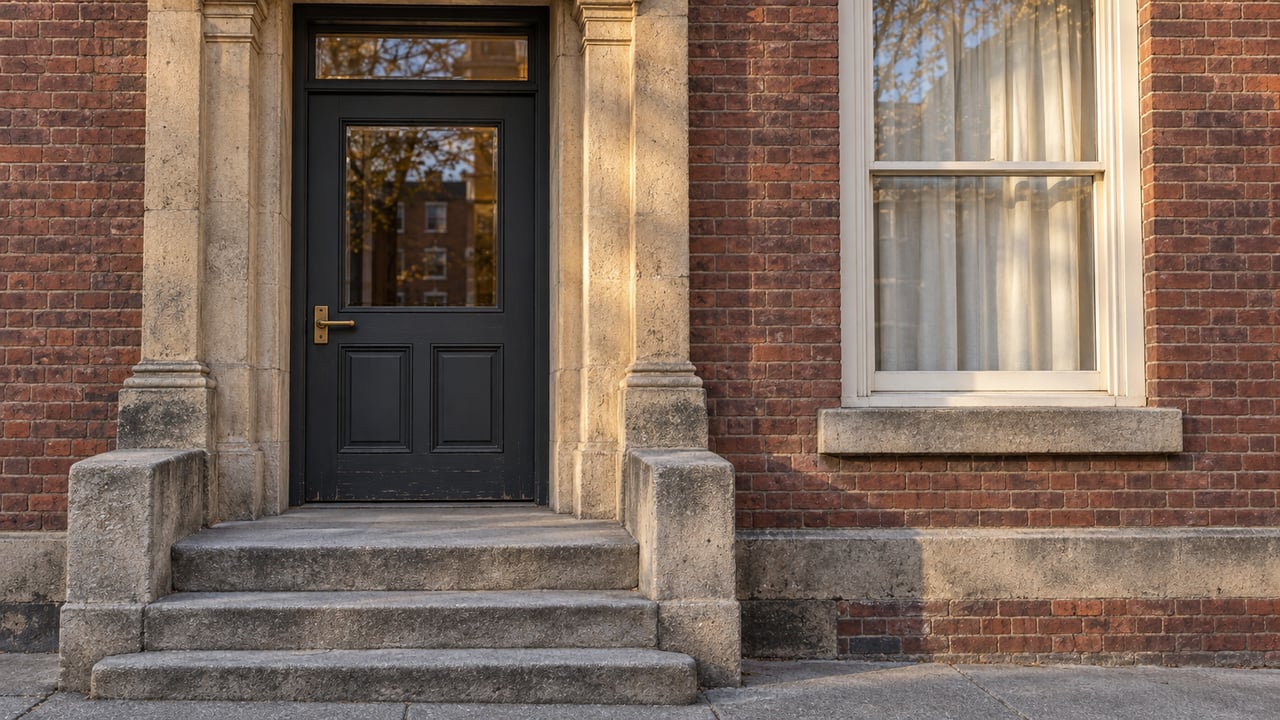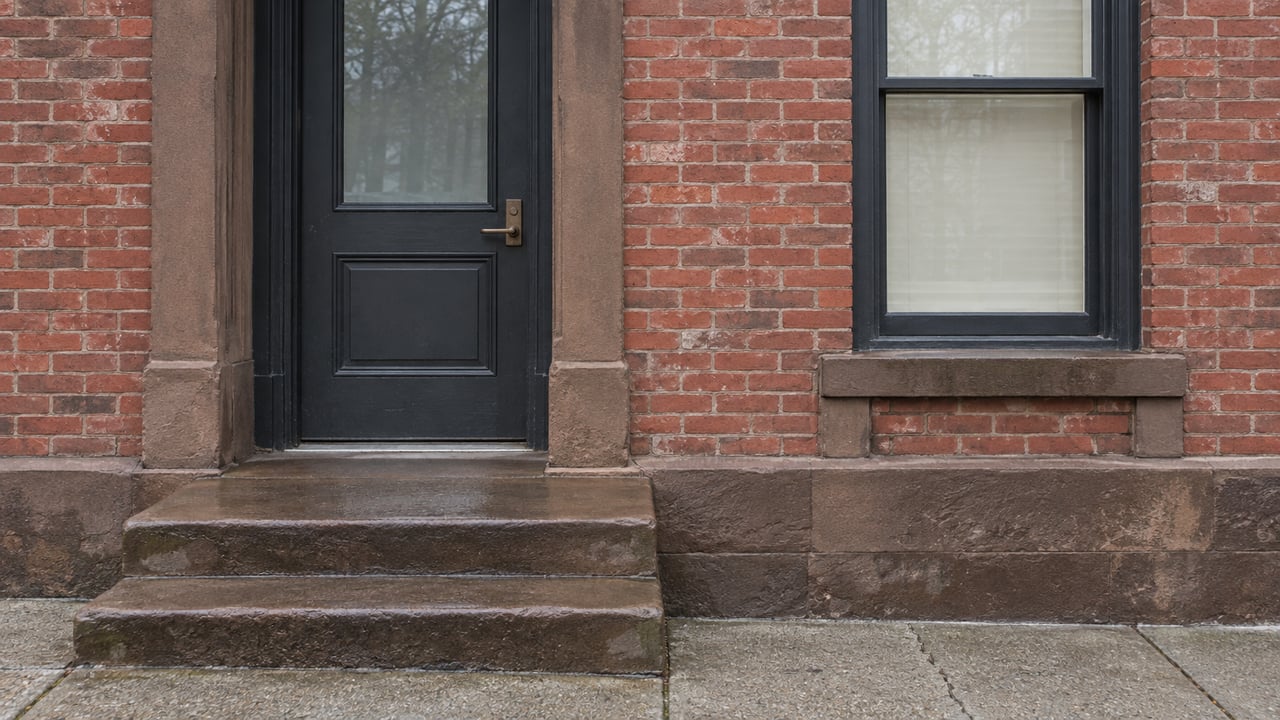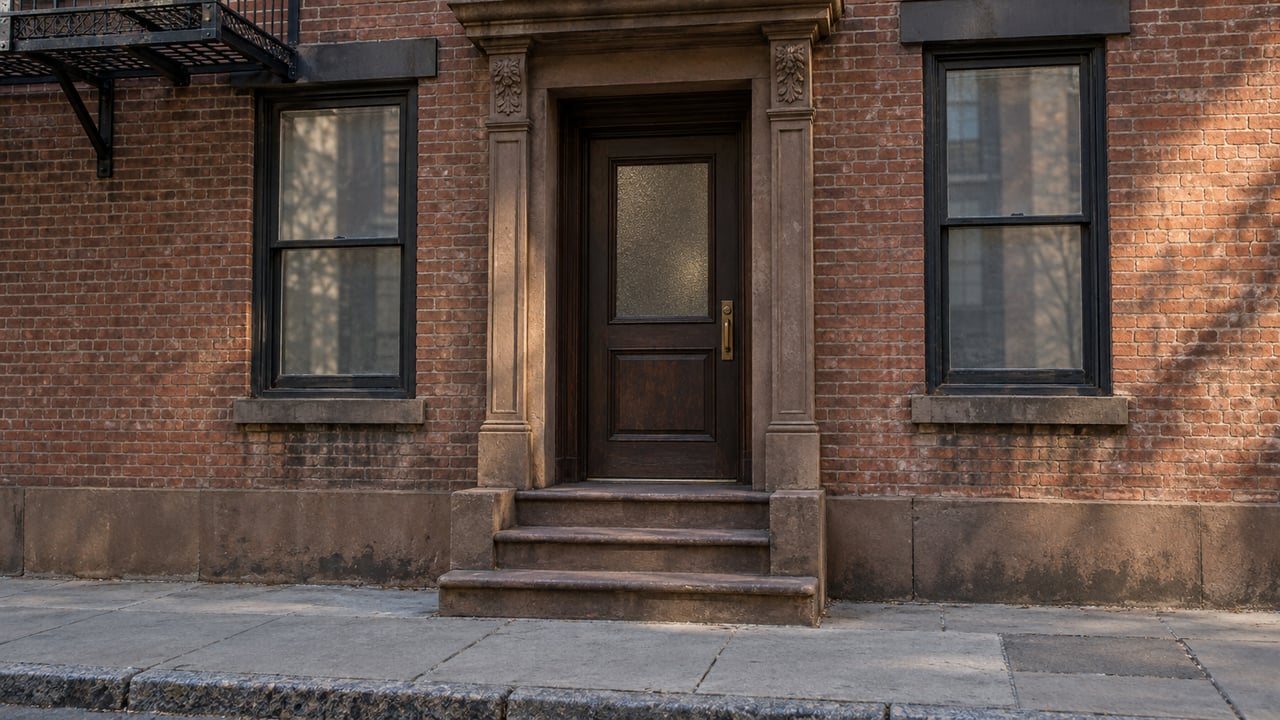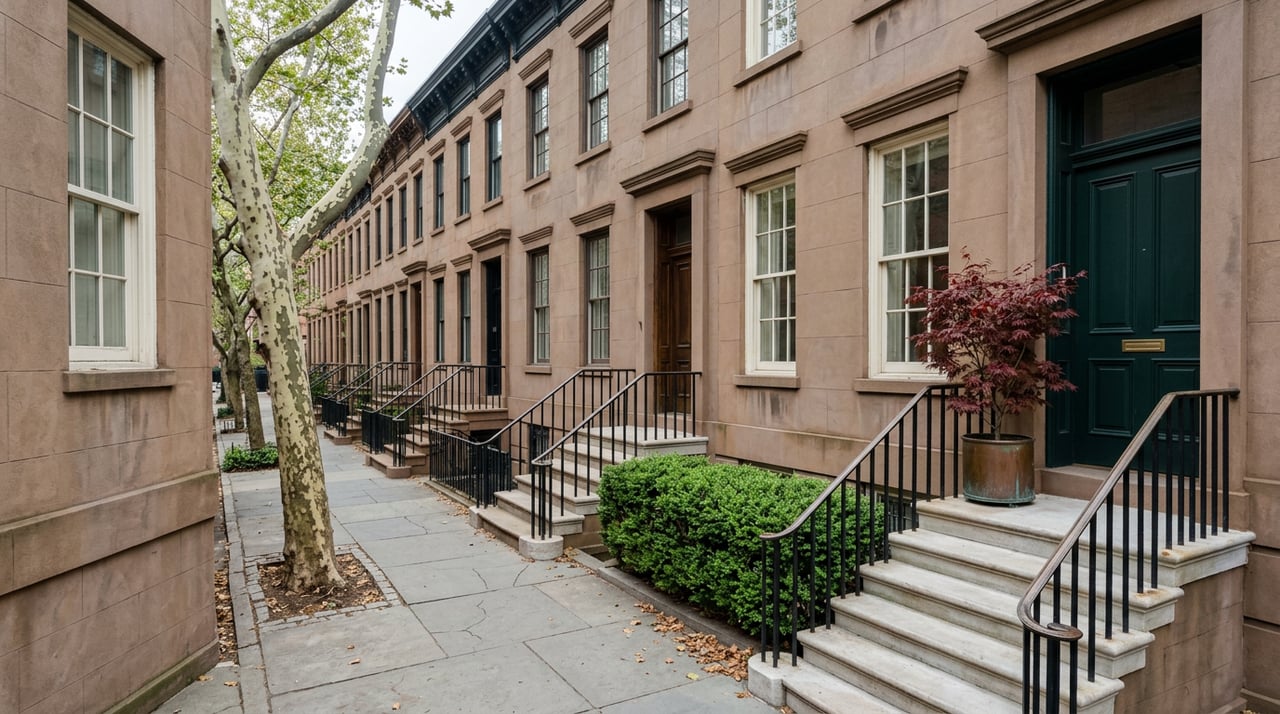
Thinking about buying a Bed-Stuy townhouse and renting a unit to help cover the mortgage? You are not alone. Many small investors and owner-occupants are eyeing these classic brownstones for house-hacking and long-term upside. In this guide, you will learn what to look for, how local rules affect deals, rentability factors, financing options, renovation basics, and a due-diligence checklist you can use before you bid. Let’s dive in.
Why Bed-Stuy townhouses appeal
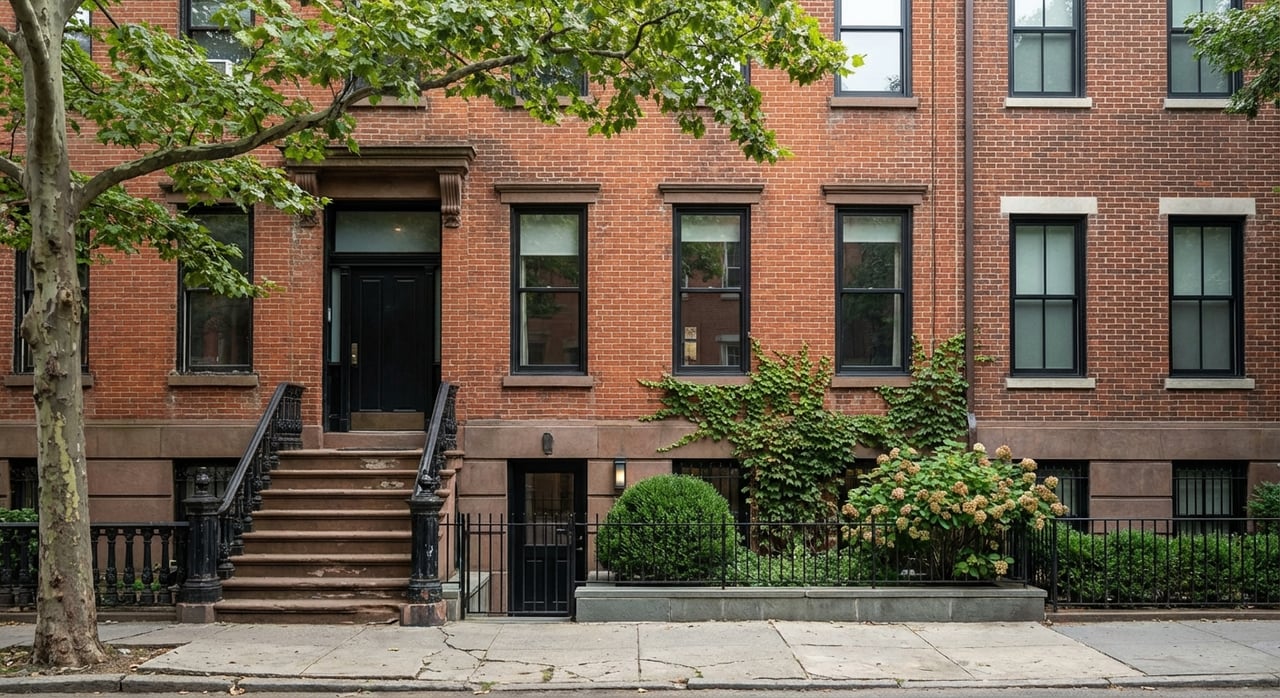
Bed-Stuy has a deep stock of 19th and early 20th century brownstones and rowhouses that attract buyers who value character and space. Recent market snapshots show wide pricing ranges by source. For context, one report showed median neighborhood list prices near the low seven figures, with townhouses often trading above the neighborhood median. Always confirm live data when you are ready to move. You can review a current neighborhood snapshot on Realtor’s Bed-Stuy page for a quick pulse on list-price trends (recent neighborhood snapshot).
On the rental side, neighborhood trackers often show median asking rents in roughly the 2,500 to 3,500 dollars per month range for typical 1 to 2 bedroom apartments, with larger units commanding more. Use a live rent feed when pricing your own units so you reflect current demand and finish level (median asking rents example).
What you are buying
Most small-scale Bed-Stuy investments fall into a few buckets:
- Single-family brownstones with space to add a rental unit if legally allowed.
- Two- and three-family townhouses where you live in one unit and rent the others.
- Small multifamily walkups in select pockets.
Many blocks sit inside landmarked or historic districts. If so, exterior changes often need Landmarks approval, which affects cost and timing. Confirm land-mark status early using LPC resources (Landmarks guidance).
Tax class and why it matters
NYC assigns most 1 to 3 family homes to Tax Class 1. Larger rental buildings and condos or co-ops are typically Class 2. The assessment ratios differ a lot. Class 1 uses a 6 percent assessment ratio while Class 2 uses 45 percent. City tax rates are set each year and Class 1 rates have been about 19 to 20 percent in recent years. That math drives your annual tax line, so build it into your pro forma and verify with the Department of Finance before you bid (DOF assessment overview).
Legal use, CO, and unit count
The Certificate of Occupancy states a building’s legal use and unit count. If a building shows two legal units but you see three kitchens, you need to treat the extra setup as a red flag until proven legal. Changing use, egress, or unit count requires permits, plan review, and a new or amended CO. Pull CO and violation history through DOB systems and resolve any open items as part of your deal plan (CO and DOB basics).
Rent regulation basics
New York’s rent stabilization is state-run and can apply based on building size, construction date, and certain tax-benefit programs. Coverage affects the rent you can charge and how renewals work. Ask for DHCR registrations and rent histories for each unit and review the current fact sheets to confirm status, especially if the property has six or more units or past tax incentives (DHCR rent stabilization fact sheet).
What drives rentability
Demand in Bed-Stuy often follows transit access and renovated interiors. Separate entrances, legal kitchens, and private utilities make units easier to lease. Well-laid-out 1 to 2 bedroom apartments with in-unit laundry and updated baths attract strong interest. Keep layouts clean and simple so each unit lives well.
Financing house-hacking
Owner-occupants have helpful tools:
- FHA mortgages can finance 1 to 4 unit owner-occupied properties, often with a 3.5 percent minimum down payment for qualifying borrowers. FHA 203(k) can wrap renovation costs into one loan. Check county loan limits and program rules with your lender (FHA program overview).
- Conventional options from Fannie Mae and Freddie Mac have evolved, and some programs allow lower down payments on owner-occupied 2 to 4 unit homes. Lender overlays vary, so confirm today’s credit and loan-to-value rules before you plan your stack (agency guideline update overview).
Practical tip: Many lenders can count a portion of rental income from other on-site units to help you qualify. Ask how they treat in-place leases versus projected rents, and what documentation they require.
Renovations and permits
- Permits and CO: Any change to use, egress, or unit count needs DOB permits, inspections, and final sign-offs before a CO is issued or amended. Open jobs or violations can stall closings, refinancing, or renting.
- Historic districts: If the property is landmarked, exterior work usually needs LPC permits or Certificates of Appropriateness. Plan schedule and budget for this.
- Lead and asbestos: Pre-1978 homes can have lead paint. The EPA’s RRP rule requires lead-safe methods when disturbing paint. Use certified pros and keep records during work (EPA RRP rule).
- Cost and timing: Local ranges for full gut townhouse work often land in the low to mid hundreds of dollars per square foot for mid-range finishes, with higher costs for premium work. Kitchens, baths, basements, and structural items drive budgets. Major projects can run several months from permits to sign-offs. Get at least three bids, set a 15 to 25 percent contingency, and confirm scope in writing (renovation cost context).
Case study: owner-occupant duplex
Here is a simple illustration to show how the numbers can work. Do not treat this as a quote. Always verify your mortgage terms with a lender and confirm current asking rents via a live feed.
Assumptions
- Property: Legal 2-family Bed-Stuy townhouse. You live in Unit 1. You rent Unit 2 as a renovated 2 bedroom.
- Financing: Owner-occupied loan. FHA 3.5 percent down is a common path if you qualify. Conventional owner-occupied programs are also available. Lender rules vary.
- Rent: You price Unit 2 at 3,000 to 3,200 dollars per month based on current 1 to 2 bedroom asking ranges in Bed-Stuy.
- Operating placeholders for the rental unit: 5 percent vacancy/credit loss, 10 percent maintenance and repairs on gross rent. Property taxes, insurance, and utilities are additional line items that you will plug in using DOF data and your quotes.
Worked example at 3,000 dollars monthly rent
- Gross monthly rent: 3,000 dollars
- Less 5 percent vacancy: 150 dollars
- Effective rent: 2,850 dollars
- Less 10 percent maintenance on gross: 300 dollars
- Net from the rental unit before taxes, insurance, and debt service: 2,550 dollars per month
What this means
- That net can offset a part of your monthly payment and fixed costs. Ask your lender how they treat projected rent for qualifying, and whether they require leases or market rent reports. For renovation properties, ask about 203(k) or a similar product and how draws work.
Before you bid: a quick checklist
- Confirm legal unit count and pull the Certificate of Occupancy through DOB systems (CO and DOB basics).
- Request DHCR rent registrations and rent histories for each unit if you suspect coverage (DHCR rent stabilization fact sheet).
- Pull DOB and HPD violations and permit history. Plan to cure open items.
- Get a full inspection: structure, roof, plumbing, electrical, sewer, and environmental testing where indicated.
- Verify tax class and estimate property taxes using DOF methods. Model potential increases after major permitted improvements (DOF assessment overview).
- If in a historic district, confirm LPC requirements and ask the seller for prior LPC approvals (Landmarks guidance).
- Pre-qualify financing early. Ask how rental income is treated and what documentation the lender needs (FHA program overview).
Value drivers and risks
- Value drivers: proximity to transit, quality interior renovations, legal separate units with proper egress and kitchens, and improving retail corridors.
- Risks: rent regulation coverage that caps increases, rising operating costs like taxes and insurance, unresolved code issues, and rule changes that affect landlords. Review DHCR guidance on regulation and DOF methods for taxes as you underwrite.
Next steps
If you want a Bed-Stuy townhouse that both lives well and pencils, plan your numbers, check the legal status, and line up financing that fits your goals. When you are ready to tour, price a unit, or sanity-check a pro forma, I am here to help you stack the deck. Let’s connect and build a plan that feels good and performs. Reach out to Steve Schaefer.
FAQs
Can I live in one unit and rent the others in a Bed-Stuy townhouse?
- Yes. Many owner-occupants buy 2 to 4 unit properties and rent the other units. FHA and conventional programs have owner-occupant options, timelines, and rules to confirm with your lender.
How do I check if a Bed-Stuy townhouse has rent-stabilized units?
- Ask for DHCR rent registrations and rent histories for each unit. Review current DHCR fact sheets and confirm the building’s size, age, and any past or current tax benefits.
What permits do I need to add a legal unit in a Bed-Stuy brownstone?
- Changing unit count or egress needs DOB permits, plan review, inspections, and an amended or new Certificate of Occupancy. Do not market or lease an unpermitted unit.
Will renovating my Bed-Stuy townhouse increase my NYC property taxes?
- Major permitted improvements can trigger reassessment. Model a tax increase in your pro forma and verify estimates using DOF assessment methods before you commit.
Are landmarked Bed-Stuy properties harder to renovate?
- If the property is in a historic district, most exterior changes require Landmarks approval. Expect additional time, specifications, and potential costs for compliant materials.
What down payment options exist for owner-occupied 2 to 4 unit purchases in NYC?
- FHA often allows 3.5 percent down if you qualify. Conventional options also exist and have evolved. Ask lenders about current loan-to-value limits, credit needs, and how they count rental income.