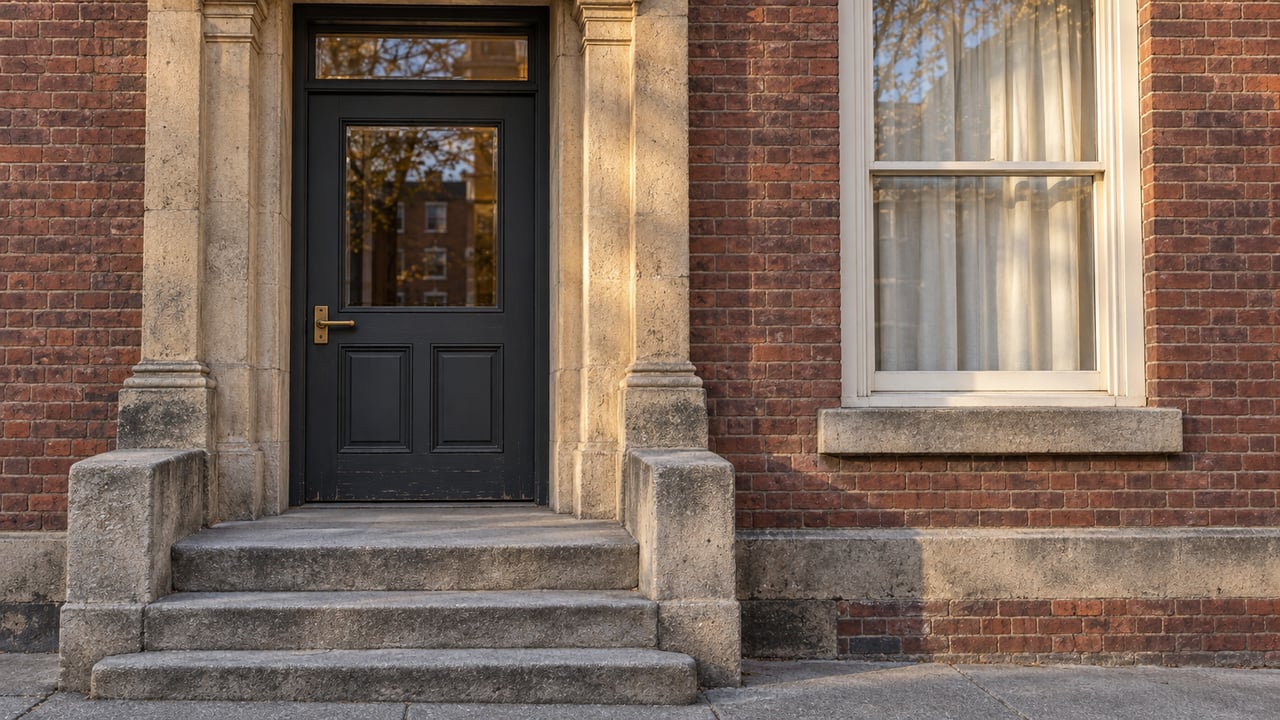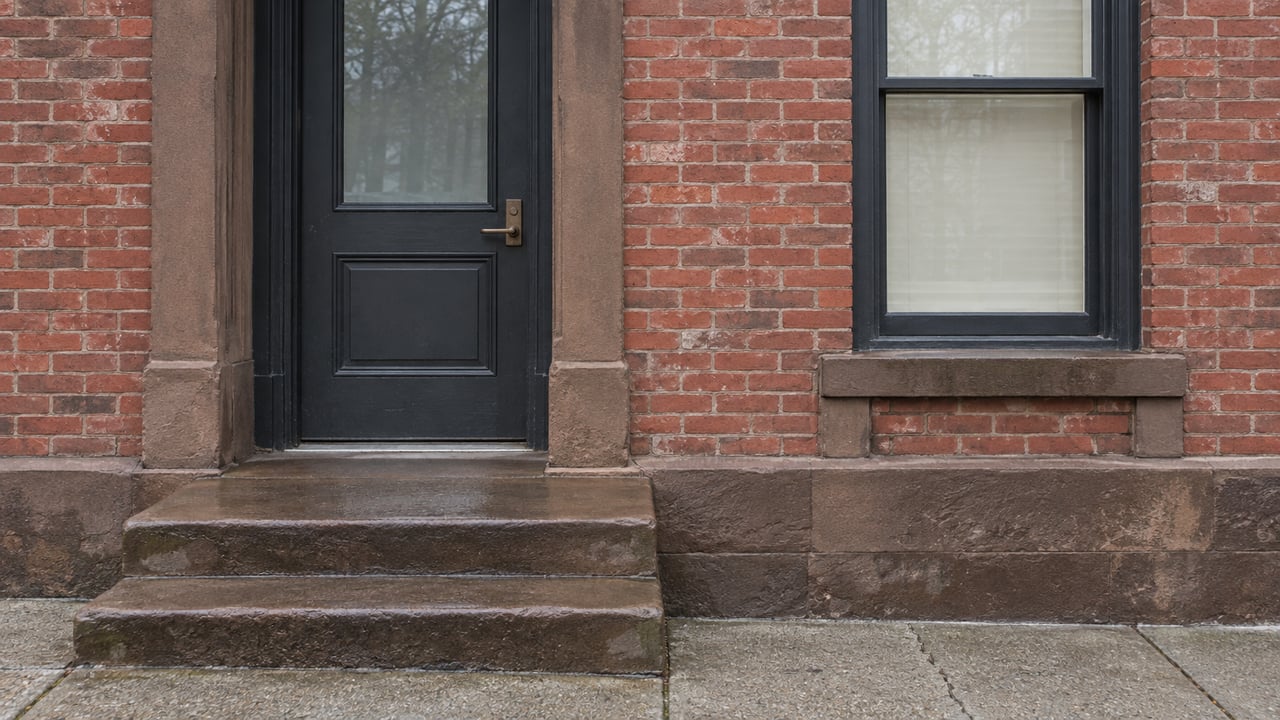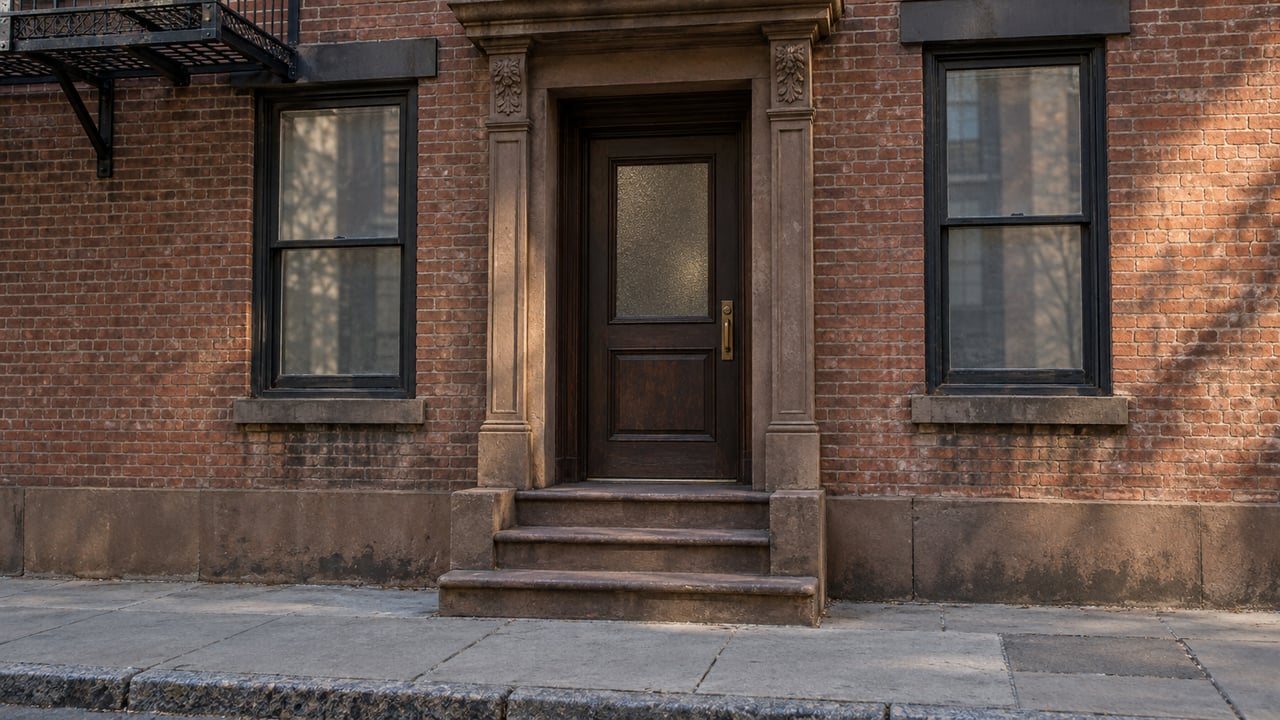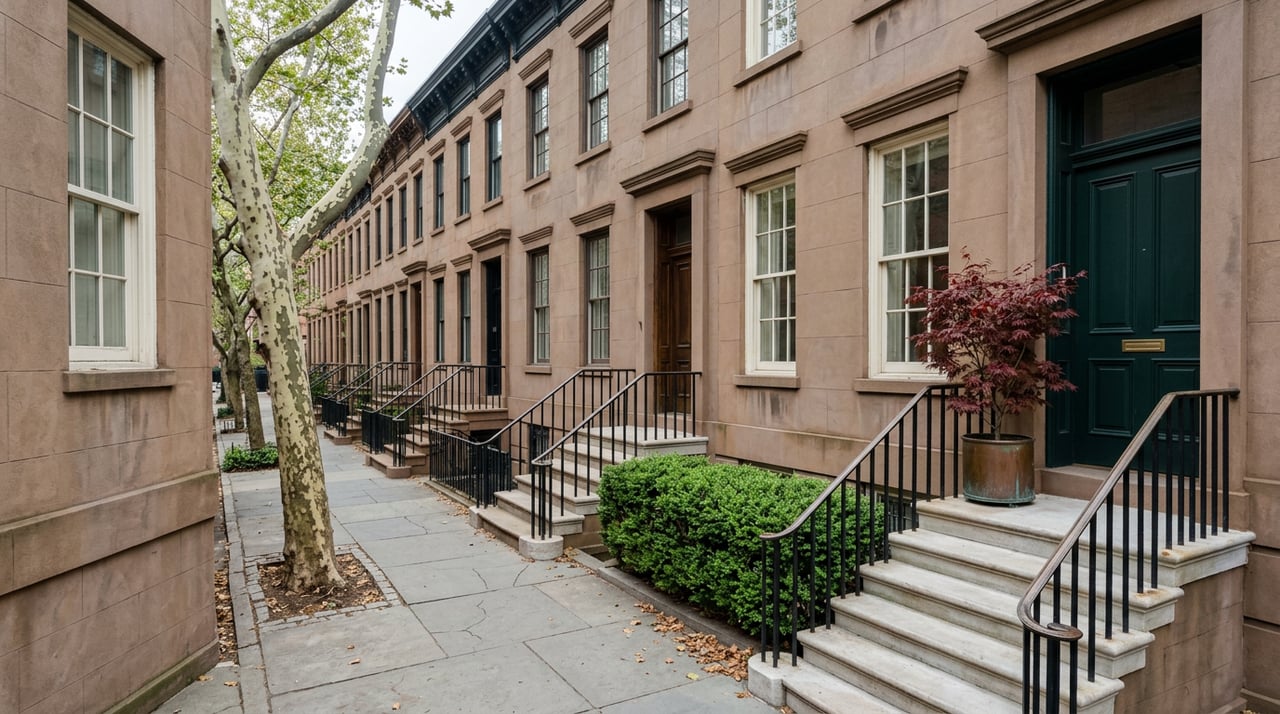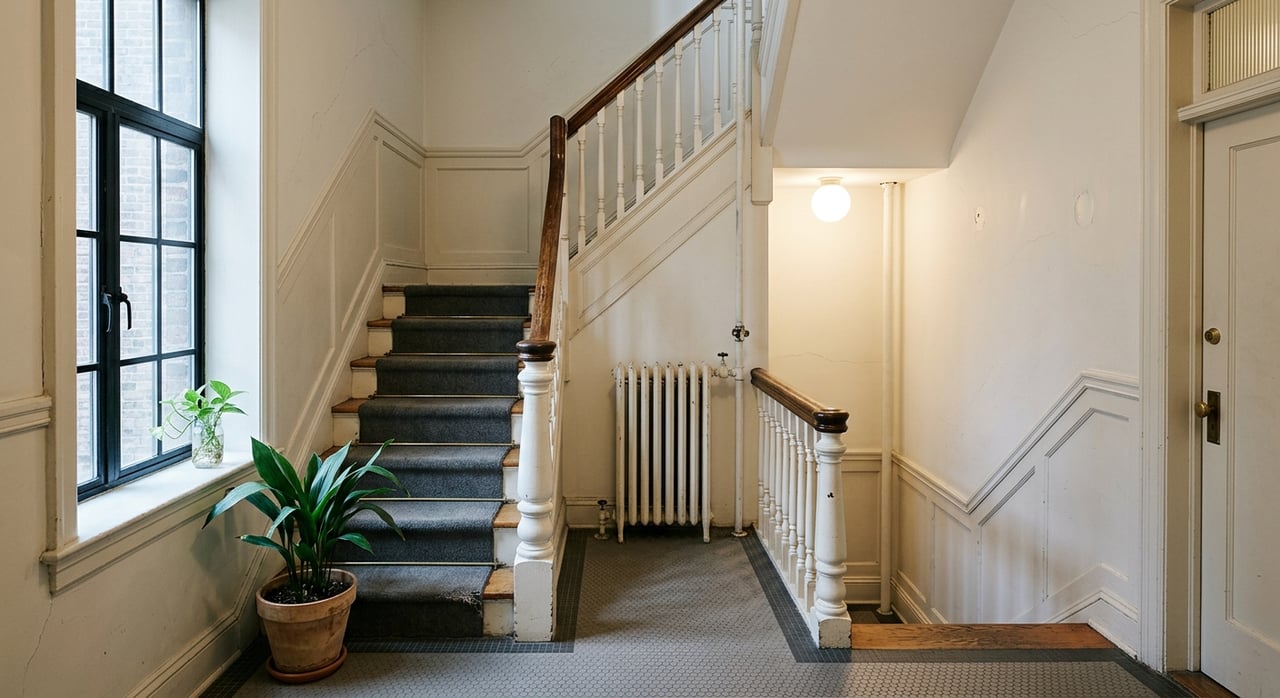
Think you want an East Village prewar walk-up? You probably do, but only if you love character enough to live with the realities that come with it. Buying here is often less about polished amenities and more about understanding old buildings, quirky layouts, and the daily rhythm of a neighborhood that still feels deeply itself. This guide will help you spot the tradeoffs, ask smarter questions, and search with clear eyes. Let’s dive in.
Why East Village Walk-Ups Stand Out
The East Village has a long-established identity shaped by history, creative culture, independent retail, dining, nightlife, and a strong sense of neighborhood life. That mix is part of why prewar walk-ups remain so appealing to buyers who want location and personality, not just a clean glass-box condo. In this part of Manhattan, the building itself often feels like part of the neighborhood story.
Much of the broader East Village, Lower East Side, and Two Bridges area is made up of mid-rise walk-up tenements, generally six stories or under, many built in the 19th and early 20th centuries. Planning materials also note the area’s narrow four-story walk-ups clustered along narrow streets. In practical terms, that helps explain why stairs, compact layouts, and limited amenity space are still standard here.
The historic district record adds another layer. It describes hundreds of buildings representing nearly two centuries of history, with many structures changing little after the early 1930s. If you are drawn to original character, that is part of the appeal. If you want a building designed around modern convenience, you need to be more selective.
What Prewar Layouts Usually Look Like
East Village walk-ups often follow older tenement-era planning logic. Historic reports describe buildings with two to four apartments per floor, and many units originally had just two to three rooms. That means you may see layouts that feel compact, segmented, or a little unconventional compared with newer construction.
Railroad Layouts Are Common
If a listing mentions a railroad layout, that is not unusual here. Historic reports note that buildings with only two units per floor often used a linear plan that became known as a railroad apartment. Rooms may connect one after another rather than branch off a central hall, which can affect privacy, furniture placement, and flow.
That kind of layout can work well for some buyers and feel awkward for others. The key is to think about how you actually live. If you work from home, host often, or want more separation between sleeping and living space, the floor plan matters as much as the square footage.
Mixed-Use Buildings Shape Daily Life
Many old-law tenements had commercial space on the ground floor. That helps explain why some East Village buildings still feel active at street level. A lively storefront can add convenience and neighborhood energy, but it can also change your day-to-day experience depending on your apartment’s location in the building.
Light and Noise Matter More Than Size
In East Village walk-ups, exposure can matter just as much as square footage. Tenement laws required windows to the street, rear yard, or an air shaft, but historic reports note that many shafts were too narrow to bring in meaningful light below the top floor. As a result, two apartments with similar size can feel completely different in person.
Street-Facing vs Rear-Facing Units
Street-facing apartments may offer better light and a stronger connection to the neighborhood. In a place known for dining, nightlife, cafés, and independent retail, that can feel exciting and very East Village. It can also mean more ambient noise and a busier feel.
Rear-facing or interior lines may be quieter, but they can also be darker. That tradeoff is common here. When you tour, pay close attention to natural light at the actual time of day you visit, because photos do not always tell the full story.
Top Floor Appeal Comes With Stairs
A higher floor may offer better light and less street noise in some buildings. But in a walk-up, every floor comes with a daily cost. If you are considering an upper-floor apartment, be honest about groceries, laundry, deliveries, guests, and your long-term comfort with stairs.
What to Inspect Before You Buy
Older apartment buildings always need repairs and maintenance. That is not a red flag by itself. The issue is whether you understand the building’s condition, what work has already been done, and what costs may be coming next.
The New York State Attorney General says buyers should examine the condition of major building systems, including the facade, roof, flooring, appliances, sub-soil conditions, elevators, heating and cooling systems, windows, electrical wiring, and plumbing. In a walk-up, that due diligence matters because the charm you see during a showing may sit on top of expensive systems work.
Focus on the Big-Ticket Systems
Some of the costliest older-building issues include:
- Facade defects
- Pointing and masonry repairs
- Roof repairs
- Plumbing upgrades
- Electrical upgrades
- Boiler replacement
- Elevator repairs, if the building has one
Not every East Village walk-up will face all of these at once, of course. But this is where buyers can get tripped up if they focus only on the apartment and ignore the building.
Ask for the Paper Trail
The Attorney General also recommends reviewing board minutes, financial reports, and posted violations. Those documents often reveal building defects, repair plans, and likely future capital expenses. In plain English, they can tell you whether the building is staying ahead of maintenance or playing catch-up.
This is one of the smartest ways to separate a romantic purchase from a well-informed one. A place can look great during an open house and still come with meaningful building-level risk.
Co-op or Condo Changes the Experience
Ownership structure affects more than monthly costs. It shapes how the building is run, what records you need to review, and how decisions get made.
How a Co-op Works
In a co-op, you buy shares in the corporation and receive a proprietary lease. Each owner pays maintenance charges based on the shares allocated to the apartment. That means your review should include not only the apartment but also the co-op’s governance and financial health.
The Attorney General’s co-op guidance notes that internal documents such as the bylaws, proprietary lease, certificate of incorporation, and house rules can govern sublets, annual meetings, board composition, amendments, quorum, and other day-to-day issues. In other words, your lifestyle in the building may be shaped by paperwork as much as by the unit itself.
How a Condo Works
In a condo, you own the unit separately along with an undivided interest in the common elements. You still need to understand how common charges work and how building obligations are handled. A condo may feel more straightforward in some ways, but it does not remove the need for serious building review.
Flood and Resilience Questions Matter
For some East Village buyers, flood history deserves a spot on the checklist. NYC Planning’s resiliency work says Hurricane Sandy flooded mechanical and electrical systems in many buildings across the broader East Village, Lower East Side, and Two Bridges area. That does not mean every building has the same risk profile, but it does make the question worth asking.
When you are evaluating a building, ask whether there has been past flood damage, whether the cellar has vulnerability, and whether resilience upgrades have been completed. Mechanical and electrical systems below grade can be especially relevant in older buildings. This is not the flashiest part of the search, but it is one of the most practical.
Landmark Rules Can Affect Renovation Plans
If a building is landmarked or located in a historic district, exterior work may face another layer of review. NYC guidance says owners need Landmarks Preservation Commission approval before doing work on a landmarked property or a building in a designated historic district. LPC notes that a Certificate of Appropriateness may be needed for additions, demolitions, new construction, or removing stoops and cornices.
Ordinary repairs such as fixing broken window glass or repainting a door the same color generally do not require LPC review. But buyers should not assume that window replacement, facade changes, stoop work, or rooftop additions will be simple. In the East Village, protected historic character can be part of the draw and part of the process.
If you are buying with plans to renovate, ask early whether the building sits in a historic district and what that means for your scope. It is much better to learn that before you fall in love with a future project that may be harder to execute than expected.
A Smart East Village Buying Checklist
A realistic East Village walk-up search comes down to balancing authenticity and convenience. If you love prewar details and neighborhood energy, you may happily accept stairs, mixed light, and older systems. If those tradeoffs feel draining, a different building type may be a better fit.
Use this checklist as you narrow the field:
- Check the apartment’s light, exposure, and noise
- Ask whether the unit is street-facing, rear-facing, or interior-facing
- Review the roof, facade, windows, plumbing, electrical, heating, and stairs
- Read offering-plan materials, financials, and board minutes when available
- Check for posted violations and planned capital work
- Confirm whether the building is a co-op or condo
- Review house rules and governance documents for co-ops
- Ask about past flood damage, cellar vulnerability, and resilience upgrades
- Confirm whether landmark or historic-district rules may limit exterior changes
The East Village still rewards buyers who know what they are signing up for. When you understand the building as well as the vibe, you are much more likely to buy a home that fits your real life.
If you want help sorting through East Village walk-ups with a sharp eye for character, layout, and building reality, reach out to Steve Schaefer. He brings local perspective, straight talk, and hands-on buyer guidance to the kind of homes that are never quite one-size-fits-all.
FAQs
What is a prewar walk-up in the East Village?
- A prewar walk-up in the East Village is typically an older apartment building, often built in the 19th or early 20th century, with no elevator and a layout shaped by tenement-era design.
Why do East Village walk-up apartments vary so much in light?
- Historic building layouts often relied on windows facing the street, rear yard, or narrow air shafts, so apartments with similar size can have very different natural light.
What should buyers inspect in an East Village prewar building?
- Buyers should closely review the facade, roof, windows, plumbing, electrical systems, heating, and building records such as financials, board minutes, and posted violations.
How does buying a co-op differ from buying a condo in the East Village?
- In a co-op, you buy shares and receive a proprietary lease, while in a condo, you own the unit plus an interest in the common elements, so the documents and governance review will differ.
Do historic district rules affect East Village renovations?
- Yes, if the building is landmarked or in a designated historic district, certain exterior changes may require Landmarks Preservation Commission approval.
Should buyers ask about flood history in the East Village?
- Yes, especially in the broader East Village and nearby areas where Hurricane Sandy flooded mechanical and electrical systems in many buildings, making past damage and resilience upgrades important questions.