Choosing between SoHo and Tribeca can feel like picking between two great records with very different moods. Both neighborhoods offer iconic downtown loft living, serious architectural character, and high-end pricing, but the day-to-day experience is not the same. If you are trying to figure out which loft market fits your lifestyle, budget, and renovation plans, this guide will help you compare the details that matter most. Let’s dive in.
SoHo vs Tribeca at a Glance
If you want the quickest read, here it is: SoHo is busier, more retail-driven, and more visibly classic cast-iron loft, while Tribeca is quieter, more residential-feeling, and often slightly pricier on asking-price data. Both neighborhoods sit at the top end of the Manhattan market, and both currently lean buyer-friendly based on recent market snapshots.
That broad summary is useful, but it does not tell you how each neighborhood actually lives. For loft buyers, the better question is how the building stock, street experience, and renovation rules line up with the way you want to live.
Loft Character in SoHo
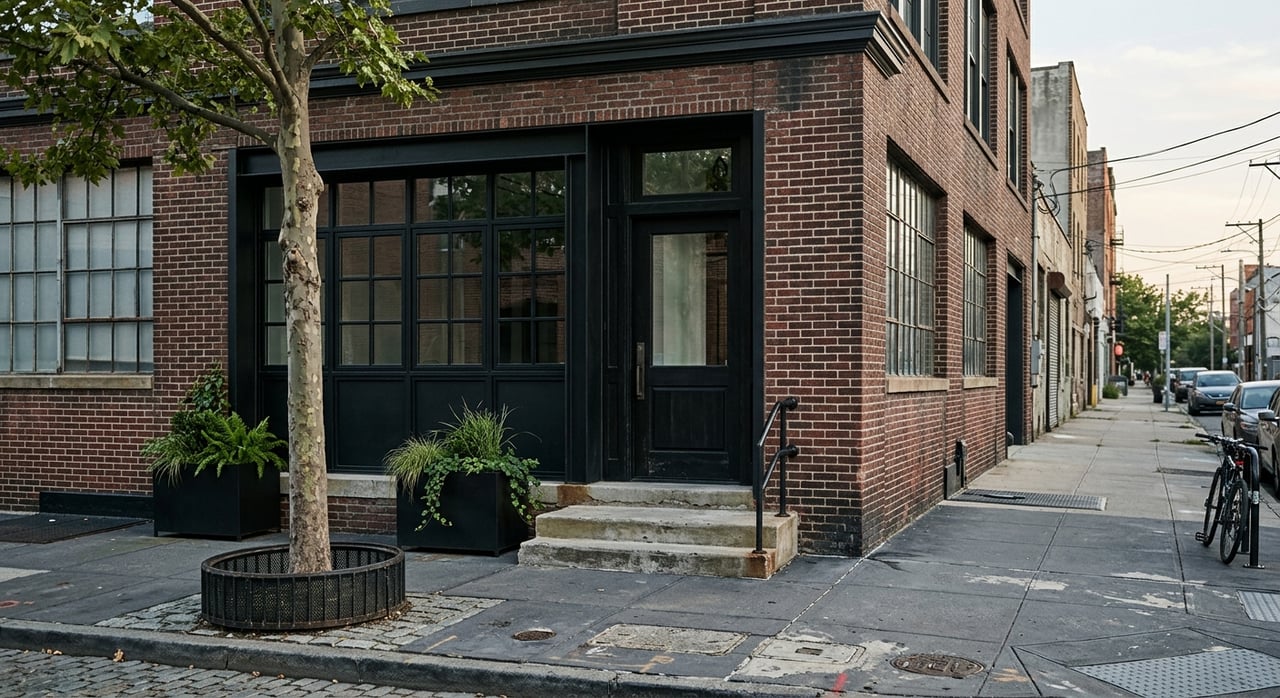
SoHo is the neighborhood many buyers picture when they think about the classic New York loft. The SoHo-Cast Iron Historic District Extension report describes about 135 cast-iron-fronted and similarly styled masonry buildings, many built after the Civil War as store-and-loft buildings for wholesale dry goods merchants and manufacturers.
Over time, many of those warehouse and loft spaces were converted into studios, galleries, and living quarters. StreetEasy also notes that many SoHo apartments are in former textile factories, which helps explain the open floor plans and the limited number of interior walls in some homes.
That history still shows up in the current housing stock. You will find classic loft addresses alongside newer luxury product, which means SoHo still delivers the iconic cast-iron loft identity, but not every option is a raw or purely historic space.
What buyers often notice in SoHo
- Open layouts with fewer interior walls
- Strong cast-iron and boutique-loft character
- A mix of historic buildings and newer luxury development
- More exposure to retail activity and visitor traffic
If you care most about atmosphere and visual identity, SoHo often feels like the most instantly recognizable version of downtown loft living.
Loft Character in Tribeca
Tribeca comes from a similar industrial history, but the experience tends to feel more residential. The Tribeca South Historic District Extension report describes 28 predominantly five-story Italianate store-and-loft buildings from the 1850s, with stone, brick, or cast-iron facades, original storefront elements, and large open interiors.
StreetEasy adds that many of the neighborhood’s remaining warehouses have been renovated into large, light-filled lofts that command some of the highest prices per square foot in the city. In today’s market, Tribeca also shows a broader blend of old loft buildings and newer full-service condo inventory.
That wider mix matters. If you want loft scale but also value building amenities, newer systems, or a more obviously residential building environment, Tribeca may offer more options that check those boxes.
What buyers often notice in Tribeca
- Large, light-filled lofts in converted warehouse buildings
- More full-service condo and tower options in the mix
- A quieter street experience than SoHo
- A more residential feel while staying downtown
Tribeca can feel like the polished remix of loft living: still rooted in industrial architecture, but often easier to match with modern expectations.
Price and Market Pace
Both neighborhoods are expensive by any standard, but Tribeca currently asks a bit more. Realtor.com’s April 2026 snapshot shows SoHo with 164 homes for sale, a median listing price of $4,147,500, a median price per square foot of $2,108, and a median of 64 days on market.
In the same snapshot, Tribeca shows 177 homes for sale, a median listing price of $4,500,000, a median price per square foot of $2,250, and a median of 68 days on market. Realtor.com labels both neighborhoods as buyer’s markets, with sale-to-list ratios of 94% in SoHo and 95% in Tribeca.
StreetEasy’s neighborhood data shows a similar pattern, even though the exact numbers differ. Its pages place median sale price at $3.4 million in SoHo and $3.5 million in Tribeca, which suggests the gap is modest on closed sales even if Tribeca often comes in a bit higher on asking price.
What the numbers suggest
- Tribeca usually asks more than SoHo
- Both markets are operating from a position that gives buyers some room
- Days on market are fairly close, so neither area is moving dramatically faster
- Closed-sale pricing shows a narrower gap than asking-price data
For buyers, this means the decision should not rest on price alone. The lifestyle difference may matter more than the spread, especially at this level of the market.
Street Life and Daily Feel
This is where the split becomes much clearer.
StreetEasy describes SoHo as one of the busiest neighborhoods in the city, filled with tourists, shoppers, street vendors, and constant activity. The neighborhood’s strengths are easy to see: dense retail, restaurants, galleries, and a highly active public-facing energy.
For some buyers, that is exactly the point. If you want to step outside into motion, culture, visibility, and a classic downtown scene, SoHo delivers. If you want privacy and a quieter pace, that same energy can start to feel like background noise that never quite turns off.
Tribeca offers a different rhythm. StreetEasy describes it as downtown cool without the tourists and congestion, with quieter cobblestone streets, refined nightlife, and strong central access. It also notes better subway access and highlights proximity to the Financial District.
If your ideal loft life includes room to breathe once you get home, Tribeca tends to fit that script better. You still get downtown location and architectural cachet, but with less retail pressure and less foot traffic.
Which Buyer Fits SoHo Best
SoHo tends to work well for buyers who want the loft version of center stage. If you love cast-iron architecture, open-plan spaces, galleries, shopping, and a neighborhood that feels switched on most of the time, SoHo can be a strong match.
It may also appeal to buyers who value visual identity as much as practical layout. The tradeoff is that some homes can be quirky, and the neighborhood’s popularity means crowds, noise, and less privacy are part of the package.
SoHo may suit you if you want:
- Classic cast-iron loft aesthetics
- Easy access to shopping, dining, and galleries
- A highly active street scene
- A boutique-loft feel with strong architectural identity
Which Buyer Fits Tribeca Best
Tribeca often makes more sense for buyers who want loft scale with a calmer day-to-day experience. It tends to attract buyers looking for larger or more flexible layouts, quieter streets, and a building mix that includes more amenity-rich condo options.
It can also be a strong fit if your commute or daily routine benefits from being close to the Financial District and strong subway access. The main tradeoffs are higher asking prices and a street life that feels more understated than SoHo.
Tribeca may suit you if you want:
- A quieter downtown setting
- Larger or more flexible loft layouts
- More full-service condo choices
- Downtown access without SoHo’s retail intensity
Renovation Rules Matter in Both
Here is the part many loft buyers underestimate: in both neighborhoods, landmark status can shape what you can change and how long it takes. The NYC Landmarks Preservation Commission says that designated buildings and buildings within historic districts require LPC approval for most alterations, reconstruction, demolition, or new construction that affects the designated property.
Ordinary interior work is generally not reviewed unless it affects the exterior or requires a Department of Buildings permit. Still, if you are buying with plans to rework windows, facades, or other exterior-facing elements, review timing and approval should be part of your purchase strategy from day one.
Before you buy a renovation project
- Confirm whether the building is designated or within a historic district
- Ask which planned changes may require LPC review
- Build extra time into your renovation schedule
- Factor approval-related costs and limits into your budget
In SoHo and Tribeca, renovation flexibility is not a side note. It is part of the value equation.
Rent First or Buy Now?
Some buyers want to test a neighborhood before committing. Current inventory suggests Tribeca has the deeper rental pool, with Realtor.com showing 199 active rentals there versus 92 in SoHo.
That does not mean Tribeca is always the better rental market, but it does suggest more rent-first options right now. If you are relocating, changing neighborhoods, or trying to compare daily life before buying, that extra rental inventory may be worth noting.
The Bottom Line for Loft Buyers
If you want iconic cast-iron loft character and a neighborhood with more energy, retail, and public buzz, SoHo is the stronger fit. If you want loft living with a quieter street experience, a more residential rhythm, and a broader mix of full-service options, Tribeca likely makes more sense.
Neither choice is wrong. It is really about which soundtrack fits your life: SoHo plays louder, Tribeca plays smoother, and both come with serious downtown credibility. If you want a local read on which loft inventory actually matches your priorities, Steve Schaefer can help you cut through the noise and find the right fit.
FAQs
What is the main difference between SoHo and Tribeca loft living?
- SoHo is generally busier and more retail-driven, while Tribeca is quieter, more residential-feeling, and often slightly higher on current asking-price data.
Are Tribeca lofts more expensive than SoHo lofts?
- Recent market snapshots show Tribeca with a higher median listing price and higher median price per square foot than SoHo, though the gap in closed-sale pricing appears more modest.
Is SoHo or Tribeca better for a quieter lifestyle?
- Tribeca is typically the better fit if you want quieter streets and less tourist and shopping congestion.
Do SoHo and Tribeca loft buyers need to think about landmark rules?
- Yes. Many properties are in historic districts, and exterior-related alterations or other covered work may require review by the NYC Landmarks Preservation Commission.
Is SoHo or Tribeca better for a rent-first strategy before buying?
- Current inventory counts suggest Tribeca has a deeper rental pool, which may give you more options if you want to rent before you buy.
Which neighborhood has the more classic cast-iron loft feel for buyers?
- SoHo is usually the neighborhood most associated with the classic cast-iron, boutique-loft identity, based on its historic building stock and current market character.