Greenpoint has a reputation that pulls people in fast: waterfront views, good coffee, old-school Polish shops, and a North Brooklyn vibe that feels a little more grounded than some of its neighbors. If you are trying to figure out whether it would actually suit your day-to-day life, the real answer is more interesting than the highlight reel. Here’s what it’s like to live in Greenpoint, from the neighborhood feel and housing mix to transit, parks, and the tradeoffs worth knowing before you make a move.
Greenpoint feels local and layered
Greenpoint stands out because it still feels lived-in. You can see the neighborhood’s older Polish-American roots in the delis, bakeries, butcher shops, and Polish signage along Manhattan Avenue, while newer cafes, vintage stores, and restaurants bring in a creative, design-aware energy.
That mix gives the area a quiet-cool identity. It does not read as overly polished or overly packaged. Instead, Greenpoint often feels like a place where long-running local businesses and newer hangouts exist side by side.
Daily life is easy to picture
One of the biggest draws of Greenpoint is how easy it is to build a routine here. Morning coffee, a walk to the park, errands, vintage browsing, and casual dinner plans can all happen within a relatively compact area.
Neighborhood spots often shape the rhythm of the week. Time Out highlights places like Peter Pan Donut & Pastry Shop, Karczma, Archestratus Books + Foods, Milk and Roses, Dobbin St. Vintage Co-op, Newtown Barge Park, and McCarren Park as part of the local mix that defines everyday life.
If you work remotely or like neighborhoods with strong “third places,” Greenpoint checks that box for many people. Cafes, small-format retail, waterfront spaces, and independent food spots help the area feel social without needing to be hectic.
Housing in Greenpoint is a real mix
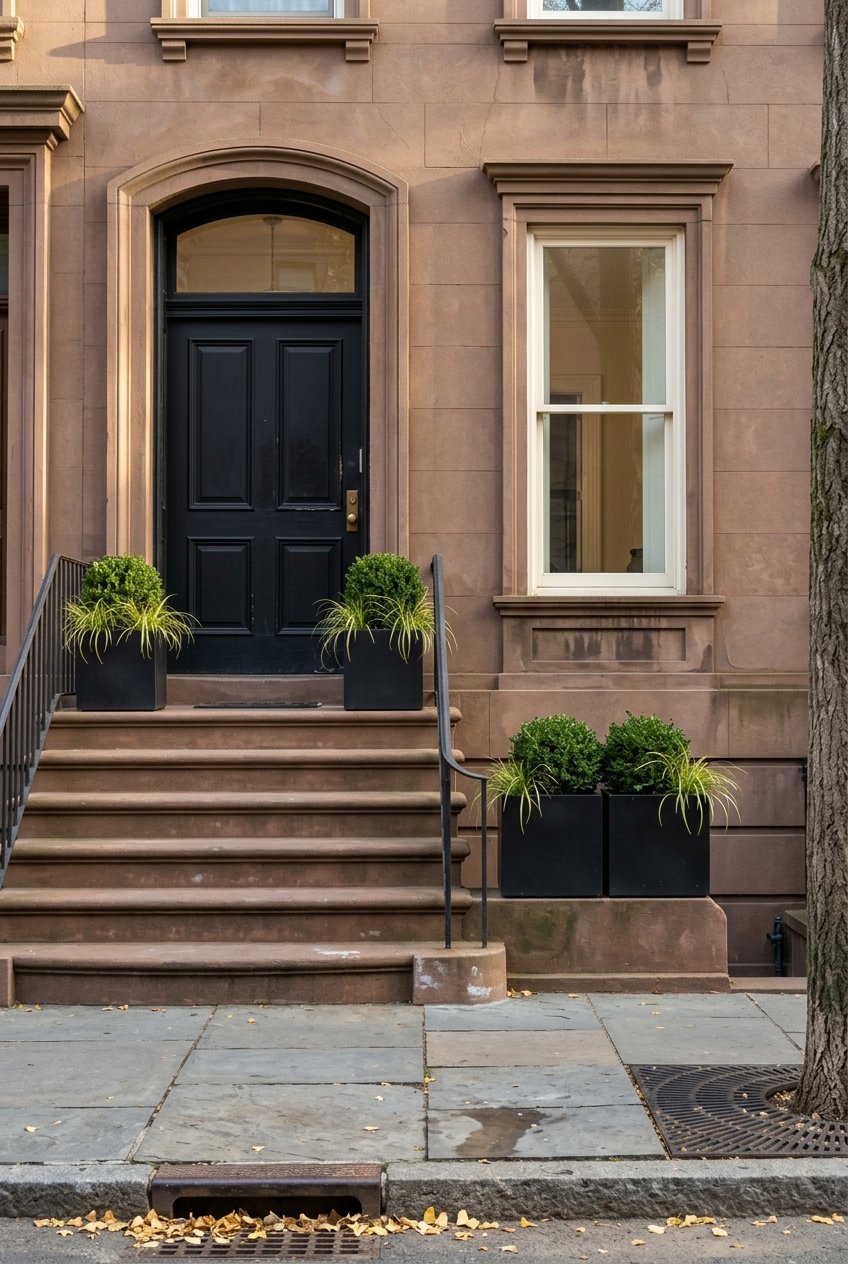
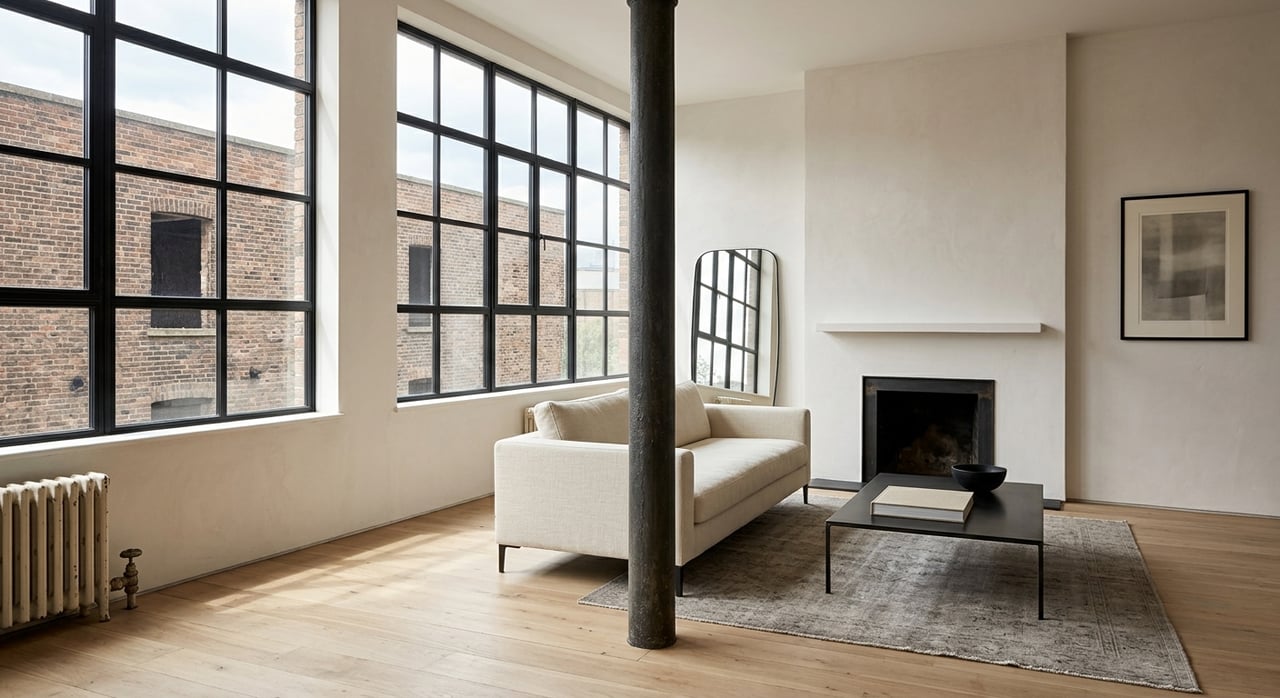
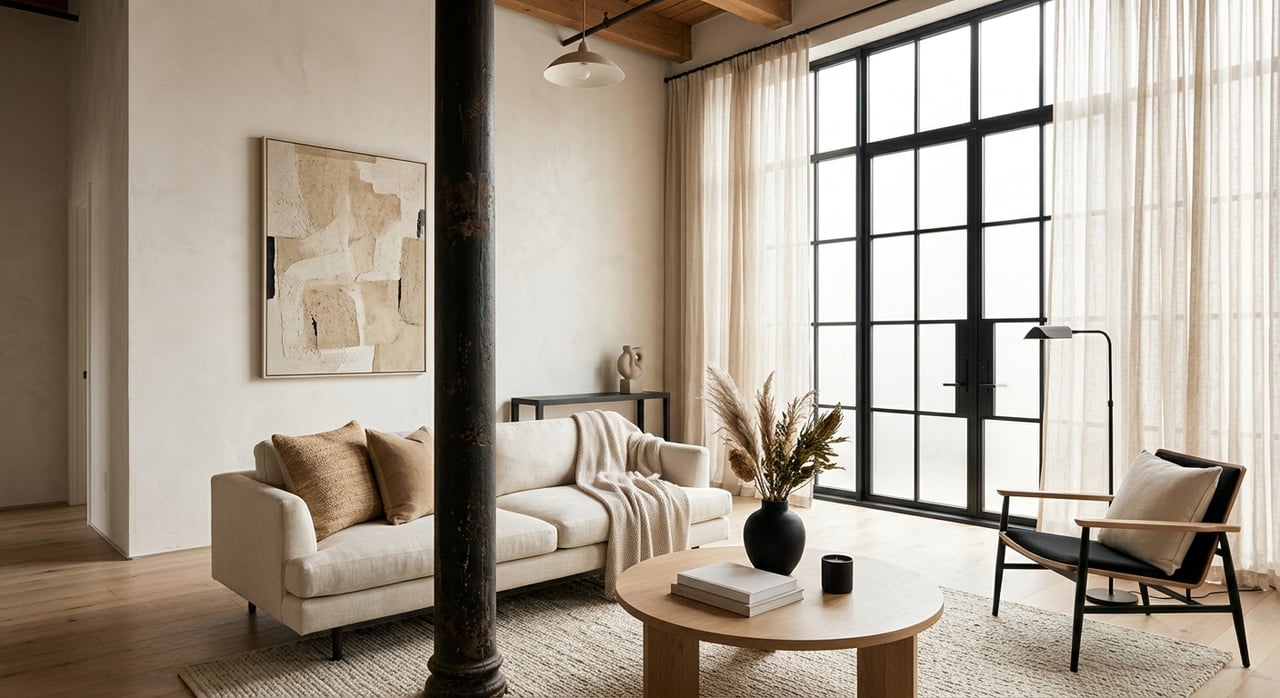
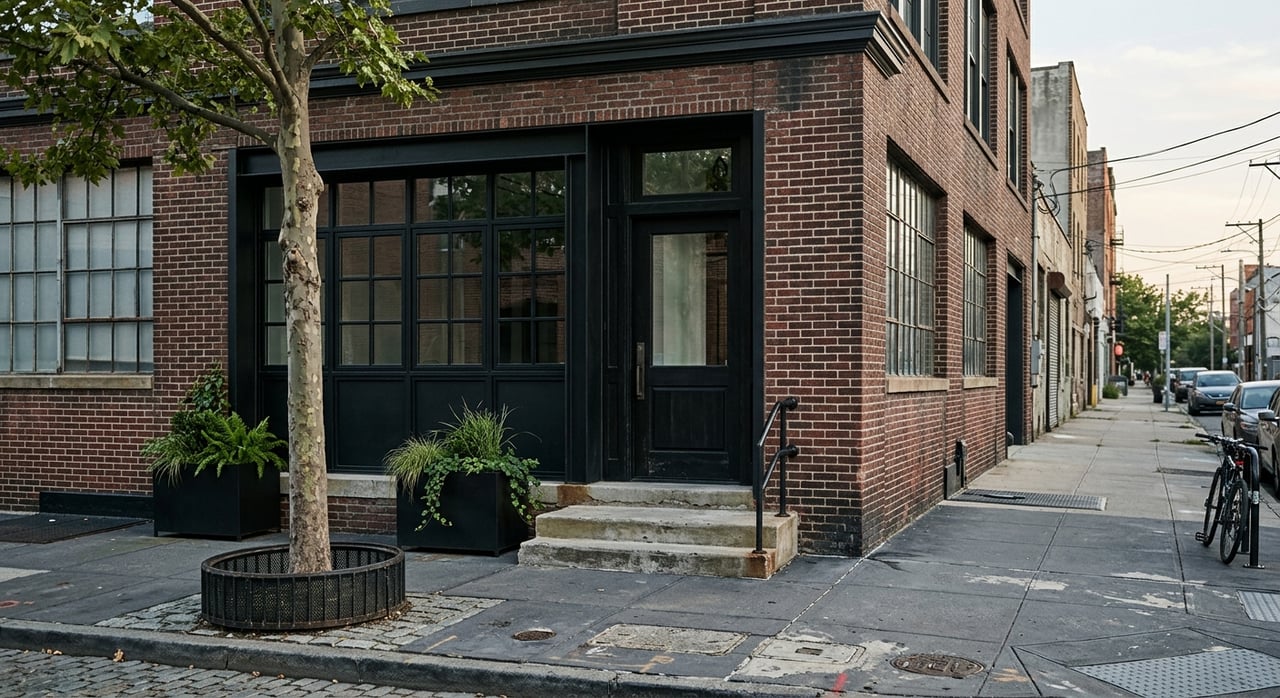
If you are expecting one standard housing type, Greenpoint will probably surprise you. The neighborhood includes prewar walk-ups, rowhouses, converted loft-style homes, newer rental buildings, and condo towers, especially closer to the waterfront.
That variety is tied to the area’s industrial history and long-term planning. The 2005 Greenpoint-Williamsburg waterfront plan called for public waterfront access, moderate-density housing, a variety of housing types, lower-rise buildings at the neighborhood edge, taller buildings near the water, and small commercial uses like cafes along the waterfront.
That means your home search here can feel broad. One block may have classic low-rise housing, while another may lean more modern, with newer developments and a very different scale.
Why the market feels competitive
Greenpoint’s housing story is also shaped by price pressure. In the broader Greenpoint-Williamsburg market, the Furman Center reported 92,627 housing units in 2024, a homeownership rate of 16.6%, and 22.8% of renter households that were severely rent-burdened.
The same data shows that 77% of units built in buildings with four or more units from 2010 to 2025 were market-rate, compared with 16% that were income-targeted. In practical terms, that helps explain why parts of Greenpoint feel newer and denser, while also feeling expensive relative to the older street grid and building stock.
Brooklyn Community Board 1’s 2025 needs statement identifies affordable housing as the district’s top issue. So while Greenpoint offers a lot of lifestyle appeal, many buyers and renters also experience the neighborhood as a place with real affordability challenges.
Parks and waterfront are a major perk
Greenpoint’s public space is one of its strongest selling points. If you want access to open sky, water views, and room to move around, the neighborhood gives you several strong options.
WNYC Transmitter Park offers waterfront access, a pier, and notable Manhattan skyline views. Bushwick Inlet Park adds fields, a viewing platform, and more public access to the water, giving the neighborhood a river-edge experience that feels distinct from inland Brooklyn blocks.
Then there is McCarren Park on Greenpoint’s southern edge. At 35 acres, it brings a different kind of utility, with a pool, running track, and sports programming that make it useful for everyday exercise and weekend downtime.
Getting around without a car is realistic
For many residents, Greenpoint works well as a car-light or car-free neighborhood. The G line serves Greenpoint Avenue and Nassau Avenue, and the NYC Ferry’s East River route stops at Greenpoint at 10 India Street.
That transit setup supports the way many people already move through the area. In the broader district, 85.8% of commuters travel car-free, and the average travel time to work is 35.4 minutes.
Walking and biking also fit naturally into daily life here. If your ideal neighborhood is one where you can get coffee, groceries, dinner, and park time without planning your whole day around driving, Greenpoint makes that possible for many households.
Greenpoint still shows its Polish roots
A common question is whether Greenpoint still feels Polish. The short answer is yes, though it is now part of a broader, more mixed neighborhood identity.
You still see that history in the food culture, retail signage, and long-running businesses. That continuity gives Greenpoint a texture that many newer-feeling neighborhoods do not have.
For a lot of residents, that is part of the appeal. The neighborhood can feel culturally specific without feeling frozen in time.
The tradeoffs are real too
No neighborhood is all upside, and Greenpoint comes with some practical concerns worth knowing. Affordability pressure is one of the biggest, but it is not the only one.
NYC DOHMH reports that 41.0% of renter households were rent burdened from 2017 to 2021. The same neighborhood report says 57.6% of renter-occupied homes had health-related housing problems in 2017, which is an important reminder that some older buildings may come with maintenance issues.
Environmental risk is another factor to take seriously. The DOHMH climate data notes that 71.9% of residents live in a hurricane evacuation zone, summer surface temperatures are high, and tree cover is relatively low.
For some buyers and renters, that does not rule Greenpoint out. It just means you should look at buildings, blocks, and waterfront proximity with open eyes and ask smart questions during your search.
Who tends to love living here
Greenpoint often appeals to people who want Brooklyn neighborhood character without giving up access to newer amenities. It can be a strong fit if you like walkable routines, local businesses, waterfront scenery, and housing that ranges from older character spaces to new development.
It also tends to resonate with people who want a neighborhood with personality. Greenpoint is not one-note. It feels historical, creative, practical, and evolving all at once.
That said, the fit depends on what matters most to you. If your top priorities include maximum affordability, abundant tree cover, or a totally predictable housing stock, you may want to compare Greenpoint carefully with other Brooklyn neighborhoods.
What living in Greenpoint comes down to
Living in Greenpoint often means getting a strong sense of place. You get a neighborhood with visible history, a solid lineup of everyday businesses, standout parks and waterfront access, and transit options that support a car-free lifestyle.
You also need to weigh the realities: higher housing costs, older-building issues in some properties, and climate exposure that matters near the waterfront. When you look at the full picture, Greenpoint feels less like a trend and more like a neighborhood with real depth.
If you are thinking about buying, selling, or renting in Greenpoint, working with someone who understands the block-by-block differences can make the process a lot clearer. If you want a local read on the neighborhood and a straightforward strategy for your move, reach out to Steve Schaefer.
FAQs
What is the overall vibe of living in Greenpoint?
- Greenpoint feels local, layered, and more lived-in than overly polished, with a visible Polish presence alongside newer cafes, restaurants, vintage shops, and waterfront hangouts.
Can you live in Greenpoint without a car?
- Yes, many residents do. The neighborhood is supported by the G train, the NYC Ferry, walking, and biking, and the broader district has a high share of car-free commuters.
What types of homes are common in Greenpoint?
- Greenpoint has a mix of prewar walk-ups, rowhouses, converted loft-style homes, newer rental buildings, and condo developments, especially near the waterfront.
Is Greenpoint still a Polish neighborhood?
- Greenpoint still shows a strong Polish cultural presence through businesses, food shops, and signage, even as the neighborhood has become more mixed and creative.
What should you consider before moving to Greenpoint?
- Key factors include housing costs, potential maintenance concerns in older buildings, flood and evacuation-zone exposure in some areas, and hotter summer conditions tied to lower tree cover.
Why do buyers and renters consider Greenpoint?
- Many people are drawn to Greenpoint for its walkable daily life, waterfront parks, distinct neighborhood identity, varied housing stock, and easy access to the rest of Brooklyn and beyond.