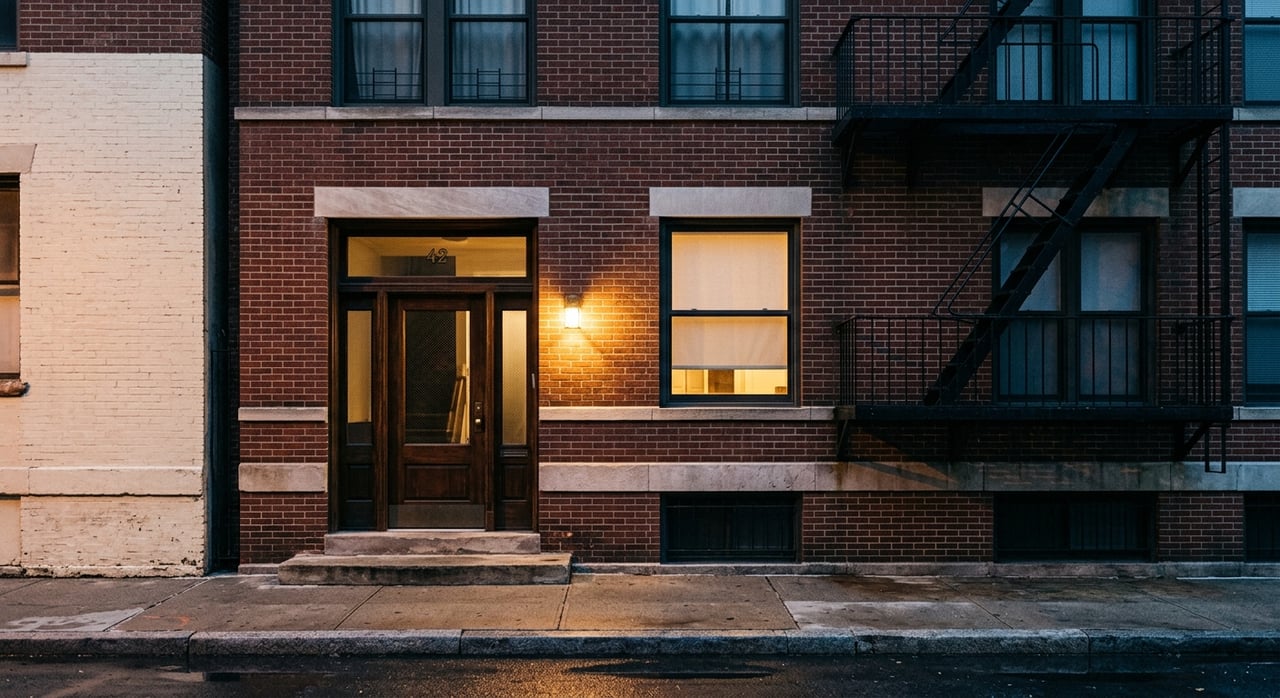
If you only know the Lower East Side by the weekend lines, you are missing the version locals actually use. This is a neighborhood where late nights sit inside real daily life, with residents, grocery runs, public markets, music rooms, and small bars all sharing the same few blocks. If you want a nightlife guide that feels more like living here than visiting here, you are in the right place. Let’s dive in.
Why LES nightlife feels local
The Lower East Side is not just a party district. Manhattan Community Board 3 describes the area as culturally diverse and rooted in immigrant history, and city planning materials place it within a dense residential district of about 70,000 residents and more than 26,000 dwelling units.
That matters because nightlife here is not floating above the neighborhood. It is embedded in a place where people also shop, commute, sleep, and move through everyday routines. The result is a nightlife scene that can feel energetic and lived-in at the same time.
The Lower East Side Partnership adds another layer to that picture. Its work spans more than 70 blocks and focuses on public space, quality of life, and local economic vitality, with things like planters, murals, and open-streets programming helping shape the streetscape around the after-dark scene.
The local mindset matters
A locals-first night out on the Lower East Side usually looks different from a tourist checklist. Instead of chasing the loudest room or the most overhyped address, you are more likely to build a night around places that are compact, walk-in friendly, and easy to fold into your regular routine.
That rhythm fits the neighborhood. NYC’s late-night quality-of-life plan called the Ludlow and Orchard corridor between Houston and Delancey one of the city’s densest nightlife districts, with more than 80 food and beverage businesses in that six-block zone, but the same plan also focused on reducing noise, congestion, litter, and friction with residential life.
That tension is part of the truth of the area. Community groups regularly raise issues tied to liquor licenses, crowding, traffic, sanitation, and livability, which tells you the neighborhood takes the balance seriously.
Live music with neighborhood scale
If your ideal night starts with a show, the Lower East Side still delivers rooms that feel close-up and personal.
Arlene’s Grocery
Arlene’s Grocery at 95 Stanton Street has been part of the neighborhood’s music identity since 1995. The venue describes itself as one of the first live music venues on the Lower East Side, and its evening opening hours make it an easy anchor for a weeknight or weekend show plan.
What makes it feel local is scale. It reads as a room for people who came to hear music, not a giant entertainment complex built around bottle service and spectacle.
Mercury Lounge
Mercury Lounge at 217 East Houston Street is another core stop if you care more about the set time than the scene. Its venue info highlights straightforward transit access via the F to 2nd Avenue or the J and M to Essex Street, and its current schedule often runs multiple nightly door times in the early and later evening.
That setup fits the Lower East Side well. You can drop in for a specific show, catch a set, and still shape the rest of your night around the neighborhood.
Pianos
Pianos at 158 Ludlow Street shows how LES nightlife often blends formats. It operates as a bar, nightclub, music venue, and restaurant, with late hours and a kitchen open until midnight.
For locals, that kind of flexibility matters. It gives you one place that can work for a casual meet-up, a live set, or a longer night without feeling like you need a heavily planned itinerary.
Cocktail bars that reward repeat visits
The Lower East Side also shines when you want a drink in a room that feels more personal than performative.
Attaboy
Attaboy at 134 Eldridge Street is open daily from 5 PM to 3 AM and keeps things relatively simple: limited reservations, otherwise first come, first served, and parties capped at six or fewer. That structure says a lot.
It favors smaller groups and a walk-in culture over big-event energy. For many locals, that is the sweet spot because it makes a spontaneous night feel possible.
Bar Goto
Bar Goto at 245 Eldridge Street leans into a clear identity, describing itself as a New York bar with a Japanese soul. It serves cocktails, sake, shochu, whisky, and bar snacks, and it is walk-ins only, first come, first served.
It also offers happy hour drink specials from 5 PM to 6 PM daily, which is one more reason it fits the neighborhood’s regulars-first rhythm. You do not need a grand plan to make it part of your week.
The Ten Bells
If you want a lower-key night, The Ten Bells at 247 Broome Street is a strong alternative. As a natural wine bar with a later schedule on weekends, it fits the pace of the area without pushing everything toward a full-on late-night blowout.
That is part of what makes LES nightlife feel livable. Not every night here has to end at maximum volume.
Amor y Amargo
Amor y Amargo, on East 6th Street, sits just outside the core Lower East Side strip but still belongs in the broader downtown conversation. It is known for a focused bitters-based concept and keeps a more measured schedule than some of the later-night spots.
That kind of narrow, distinctive identity is a downtown staple. It gives you a place with personality that still feels rooted in repeat customers and neighborhood habits.
Where locals eat after last call
A real locals guide needs to answer one practical question: where do you go when the show ends or the bar wraps up?
Scarr’s Pizza
Scarr’s Pizza at 35 Orchard Street is one of the clearest answers. It stays open until 2 AM on Friday and Saturday, which makes it a useful post-show or post-bar stop without feeling like a gimmick destination.
It is the kind of place that fits naturally into an LES night. You can grab a slice, regroup, and head home.
7th Street Burger
7th Street Burger at 173 Orchard Street runs even later on several nights, including until 3 AM on Friday and Saturday. For many people, that kind of reliability matters more than novelty.
This is what a lived-in nightlife district looks like. The best late-night food spots are often the ones you can count on again and again.
Katz’s Delicatessen
Katz’s Delicatessen at 205 East Houston Street remains a neighborhood institution and a practical late-night anchor. Its current hours include a 24-hour weekend stretch, and its location near major subway connections makes it a familiar point of orientation in the area.
Even if you do not end every night there, it helps define the Lower East Side’s rhythm. The neighborhood has places that stay with you beyond trend cycles.
Why nightlife works with daily life
One reason the Lower East Side appeals to residents is that it has enough everyday infrastructure to support the after-dark energy. Essex Market is a great example.
The Lower East Side Partnership says Essex Market has been part of the neighborhood since 1818 and continues to function as a public market for groceries, prepared food, and cultural activity. The market’s community fridge is also accessible 24/7 at the 220 Broome Street entrance, which says a lot about the practical, day-to-day side of the neighborhood.
That is the real Lower East Side story. You are not choosing between nightlife and normal life here. You are choosing a neighborhood where the two are constantly negotiating space, and often doing it better than outsiders assume.
What to look for in a locals-first spot
If you are trying to tell the difference between a place built for regulars and one built for buzz, a few patterns help.
- Walk-in policies often signal a more neighborhood-friendly rhythm.
- Smaller rooms tend to create repeat-customer energy.
- Early door times make it easier to build a night around a show.
- Late food nearby makes the area feel functional, not just flashy.
- Mixed-use blocks remind you people actually live here.
In the Lower East Side, that combination is the point. The best nights usually happen when the plan stays loose and the neighborhood does the rest.
Why this matters if you want to live nearby
Nightlife can be a quality-of-life plus or a quality-of-life challenge, depending on the block and the building. In the Lower East Side, both are true at once.
The area’s appeal comes from access, energy, and cultural density, but city plans and community discussions make clear that noise, congestion, sanitation, and crowd management are part of the local conversation too. If you are thinking about renting or buying nearby, it helps to understand that block-by-block nuance instead of treating the whole neighborhood as one vibe.
That is where local guidance matters. A neighborhood can be exciting on paper, but your actual day-to-day experience depends on the street, the building setup, and how close you want to be to the action.
If you are looking at downtown Manhattan and want someone who understands how culture, housing, and street-level reality connect, Steve Schaefer brings that neighborhood-first lens to buyer representation, rentals, sales, and concierge-level service.
FAQs
What makes Lower East Side nightlife feel more local than touristy?
- The strongest local signals are small venues, walk-in or first-come-first-served policies, and spots that fit into everyday neighborhood routines rather than big-ticket nightlife planning.
Which Lower East Side music venues fit a locals-first night out?
- Arlene’s Grocery, Mercury Lounge, and Pianos all reflect the neighborhood’s smaller-scale live music culture, with evening programming that works well for casual weeknight or weekend plans.
Where can you eat late after a night out on the Lower East Side?
- Scarr’s Pizza, 7th Street Burger, and Katz’s Delicatessen are the clearest late-night food anchors based on their current hours.
How do residents manage Lower East Side nightlife impacts?
- Local groups and city agencies have long focused on issues like noise, traffic, crowd congestion, litter, and sanitation, especially in the busiest nightlife corridors.
Is the Lower East Side only about nightlife?
- No. The neighborhood also has strong daily infrastructure, including Essex Market, public-space improvements, and a dense residential population that shapes how the area functions around the clock.
What should you know before moving near Lower East Side nightlife?
- It helps to evaluate each block closely, because the experience can vary based on street activity, nearby venues, building conditions, and how much late-night energy you want in your daily routine.