Ever walk into a Tribeca loft and feel like the room is playing at full volume before you even speak? That mix of open space, big windows, and old industrial character is a huge part of the appeal. If you are thinking about buying, updating, or simply understanding a loft in Tribeca, it helps to know what is style, what is structure, and what is actually regulated. Let’s dive in.
What Makes Tribeca Loft Living Different
Tribeca loft living starts with the buildings themselves. In New York City terms, a loft usually refers to a building or space originally designed for commercial or manufacturing use, often built before 1930. In Tribeca, that history still shapes how many homes look and feel today.
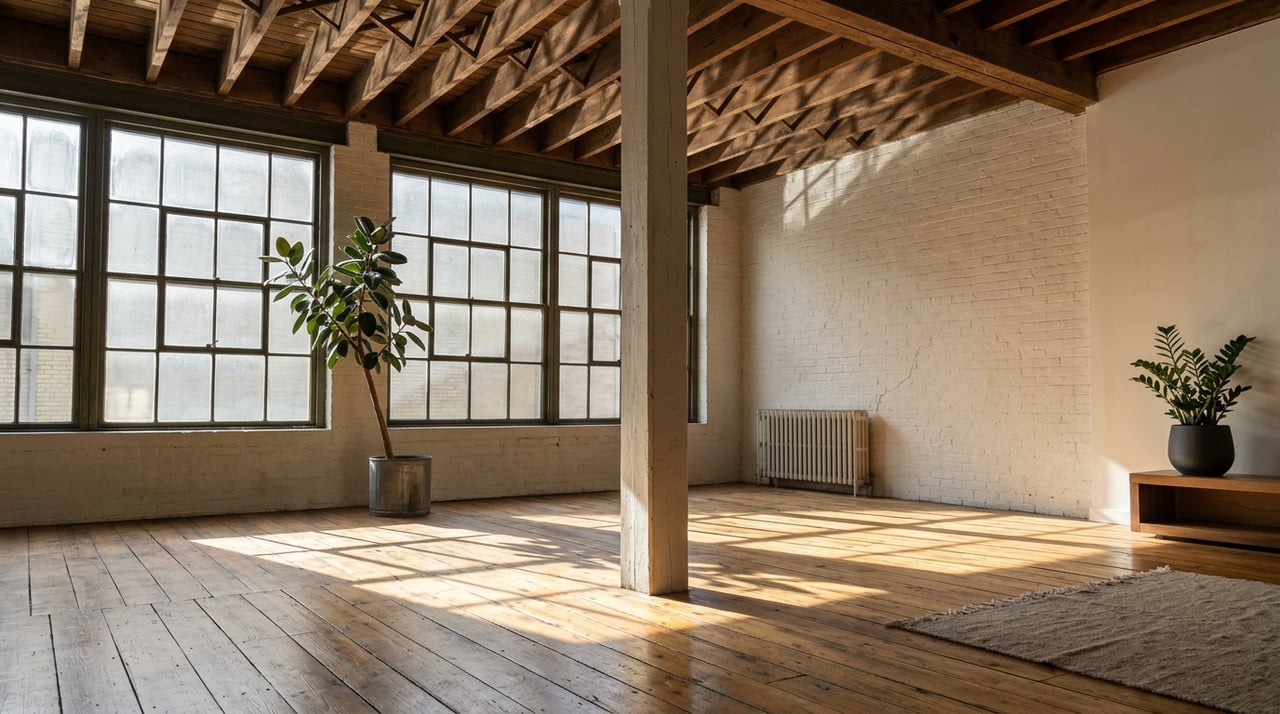
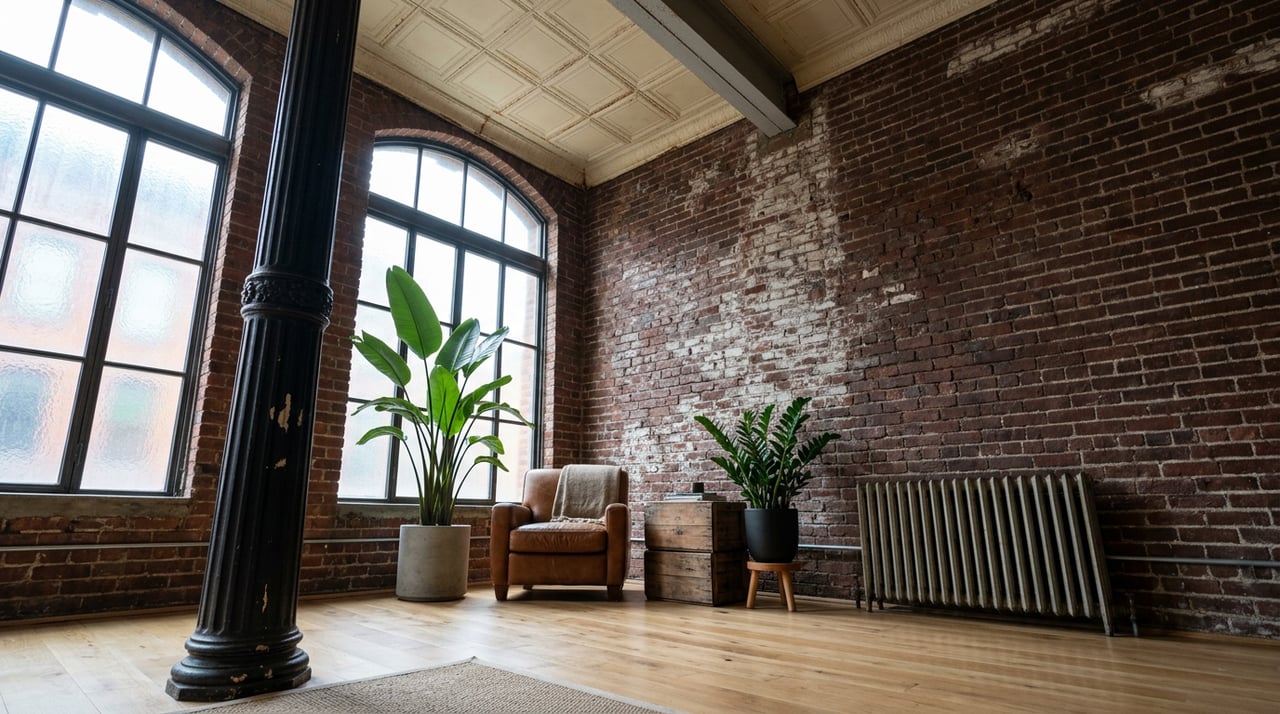
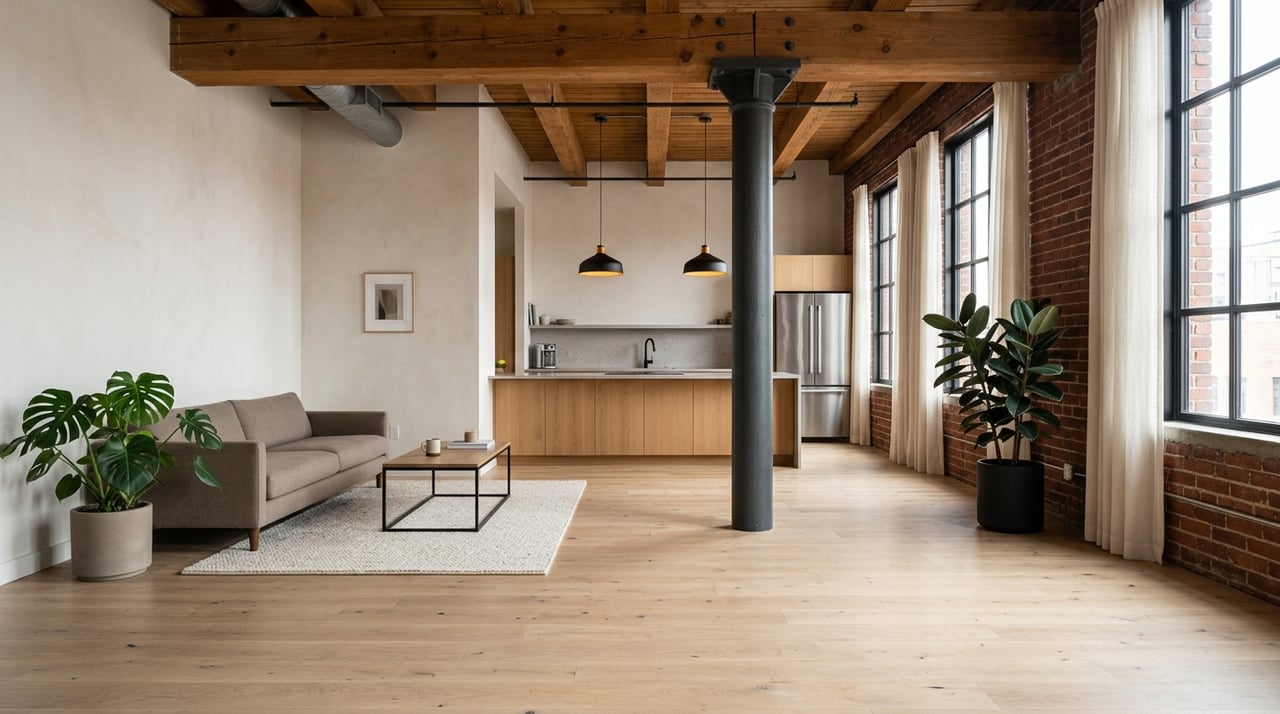
What you notice first is usually the volume. True loft-style spaces often have open floor plans, high ceilings, large windows, and visible elements like brick, beams, or piping. Tribeca’s historic store-and-loft buildings were built for commerce, and many were designed with broad window bays and large show windows, which helps explain the strong natural light buyers love.
Common Loft Features Buyers Notice
- Open layouts with fewer interior walls
- Higher ceilings and a stronger sense of scale
- Large windows and brighter natural light
- Historic materials like brick, beams, or exposed piping
That said, not every home marketed as a loft is a true loft in the zoning sense. In the Special Tribeca Mixed Use District, a loft dwelling is defined as a dwelling unit in a building designed for non-residential use and erected before December 15, 1961. So if you are buying for authenticity, flexibility, or long-term renovation plans, the legal and zoning definition matters.
Why Tribeca Requires Extra Due Diligence
Tribeca is not just a neighborhood with beautiful older buildings. It is also a special zoning area with layers of oversight that can affect how a property is used and renovated. The Special Tribeca Mixed Use District can apply to developments, enlargements, extensions, alterations, accessory uses, and changes in use.
For you as a buyer, that means a loft may come with more than one set of rules. A property can be affected by zoning, Department of Buildings records, landmark status, and in some cases Loft Board jurisdiction. The cool factor is real, but so is the paperwork.
Key Questions To Ask Before You Buy
- Is the building located in a Tribeca historic district?
- Which historic district is it in, if any?
- Does the DOB BIS database show permit history, violations, special district details, or loft law notes?
- Is the building or unit subject to Loft Board or interim multiple dwelling rules?
Tribeca includes multiple historic districts, not just one small preservation area. LPC maps show Tribeca West, North, East, South, and the South Extension. That matters because historic district status can affect what kind of exterior work is reviewed later.
What To Check Before Planning A Renovation
A loft can feel wide open, but renovation freedom is not unlimited. In New York City, most construction requires DOB approval and permits, and when plans are required, they must be filed by a New York State licensed professional engineer or registered architect. That is one of the first big checkpoints for any Tribeca buyer thinking beyond paint and furniture.
Many common apartment updates fall under an ALT-2 filing. According to DOB, that can include kitchen and bathroom renovations when the work changes multiple items but does not change use, egress, or occupancy. Examples include adding a bathroom, rerouting gas pipes, adding electrical outlets, or moving a load-bearing wall.
If your project changes use, egress, or occupancy, the filing path may shift to something more substantial, such as ALT-1 or Alt-CO. In plain English, a layout idea that seems simple on paper can become more complex once it affects exits, structural elements, plumbing systems, or occupancy rules.
Renovation Moves That Often Trigger Review
- Reconfiguring kitchens or bathrooms
- Adding or moving plumbing lines
- Rerouting gas lines
- Updating or expanding electrical work
- Moving walls, especially structural walls
- Changing windows or facade elements in landmarked buildings
Some smaller jobs can be done without a DOB permit. NYC says painting, plastering, installing new cabinets, replacing plumbing fixtures, resurfacing floors, and certain non-structural roof repairs may not require one. Even then, contractor licensing still matters, and plumbing work must be performed by a Licensed Master Plumber.
How Landmark Rules Can Affect Loft Updates
In Tribeca, preservation review is often part of the conversation. If a building is in a historic district, the Landmarks Preservation Commission may need to review exterior changes. LPC says most exterior changes to front and rear facades of buildings in historic districts require review.
Ordinary repairs are treated differently. Replacing broken window glass or repainting to match an existing color generally does not require LPC review. Interior work usually does not need LPC review unless it also requires a DOB permit, affects the exterior, or involves a designated interior landmark.
This is where Tribeca renovations can get interesting. A project may be zoning-compliant and still face preservation questions if it changes the appearance or character of the facade. LPC’s role is about appropriateness in context, not freezing a building in time, but context still matters.
Why Loft Board Status Matters
Some Tribeca loft properties involve another layer entirely. DOB notes that certain issues may fall under Loft Board jurisdiction, especially for interim multiple dwellings, also known as IMDs. If a building falls into that category, the renovation and legalization path can become more specialized.
In some IMD cases, DOB says an owner may need a Narrative Statement process and Loft Board certification before a permit is issued. For a buyer, that is not a small technical detail. It can affect timing, planning, and the kind of professional guidance you need early in the process.
Who Should Be On Your Renovation Team
If you are buying a Tribeca loft with renovation in mind, the right team matters almost as much as the space itself. New York State says anyone using the title Architect must be licensed and registered in the state. Architects should also be able to provide proof of licensure, references, a written scope, a schedule, and final sealed plans.
On the filing side, DOB says the registered design professional, meaning the licensed PE or RA, is the applicant of record for many permit applications. That makes your architect or engineer a central player, not just a creative consultant.
For the construction side, NYC requires a Home Improvement Contractor license for work on residential property. DOB also states that a Home Improvement Contractor license and number are required for ALT-1, ALT-2, and ALT-3 applications involving one- to four-family homes, co-op units, condo units, or rented apartment units.
Your Core Loft Renovation Team
- A licensed architect or professional engineer
- A properly licensed contractor
- A Licensed Master Plumber when plumbing work is involved
- Building management or board contacts, where applicable
- Preservation guidance when landmark review may apply
How To Set Realistic Expectations
Tribeca loft renovations often involve more than one approval layer. Depending on the building and scope, you may be dealing with DOB, LPC, and sometimes the Loft Board. That usually means more lead time than a simple cosmetic refresh in a more straightforward apartment setting.
This does not mean a loft renovation is a bad idea. It means the smartest approach is to treat the process like a well-produced session: know the room, know the rules, and get the right people on the track early. When you do that, you can better protect your budget, timeline, and sanity.
Smart Buyer Takeaways For Tribeca Lofts
If you are in the research stage, focus on three questions first. Is the building in a historic district? Does the planned work require DOB permits and architect-led filing? And is the building subject to Loft Board or loft-law rules?
Those answers can shape everything from what you can change to how long it may take. They also help separate a great-looking listing from a great long-term fit. In a neighborhood like Tribeca, where character and complexity often come together, informed buying is your best advantage.
If you are weighing a Tribeca loft purchase, planning a sale, or trying to figure out how renovation potential affects value, Steve Schaefer can help you think it through with clear, hands-on guidance.
FAQs
What defines a true loft in Tribeca?
- In the Special Tribeca Mixed Use District, a loft dwelling is defined as a dwelling unit in a building designed for non-residential use and erected before December 15, 1961.
What features are common in Tribeca loft apartments?
- Common features include open layouts, high ceilings, large windows, strong natural light, and visible historic materials like brick, beams, or piping.
What should you check before buying a Tribeca loft?
- You should check historic district status, DOB BIS records for permits or violations, and whether Loft Board or IMD rules apply to the building.
What permits are common for Tribeca loft renovations?
- Many kitchen and bathroom renovations that change multiple items but not use, egress, or occupancy are filed as ALT-2 projects with DOB.
When does LPC review apply in a Tribeca historic district?
- LPC review usually applies to most exterior changes on front and rear facades of buildings in historic districts, while many ordinary repairs do not require review.
Who should be on your team for a Tribeca loft renovation?
- You will often want a licensed architect or engineer, a properly licensed contractor, and a Licensed Master Plumber if plumbing work is part of the project.