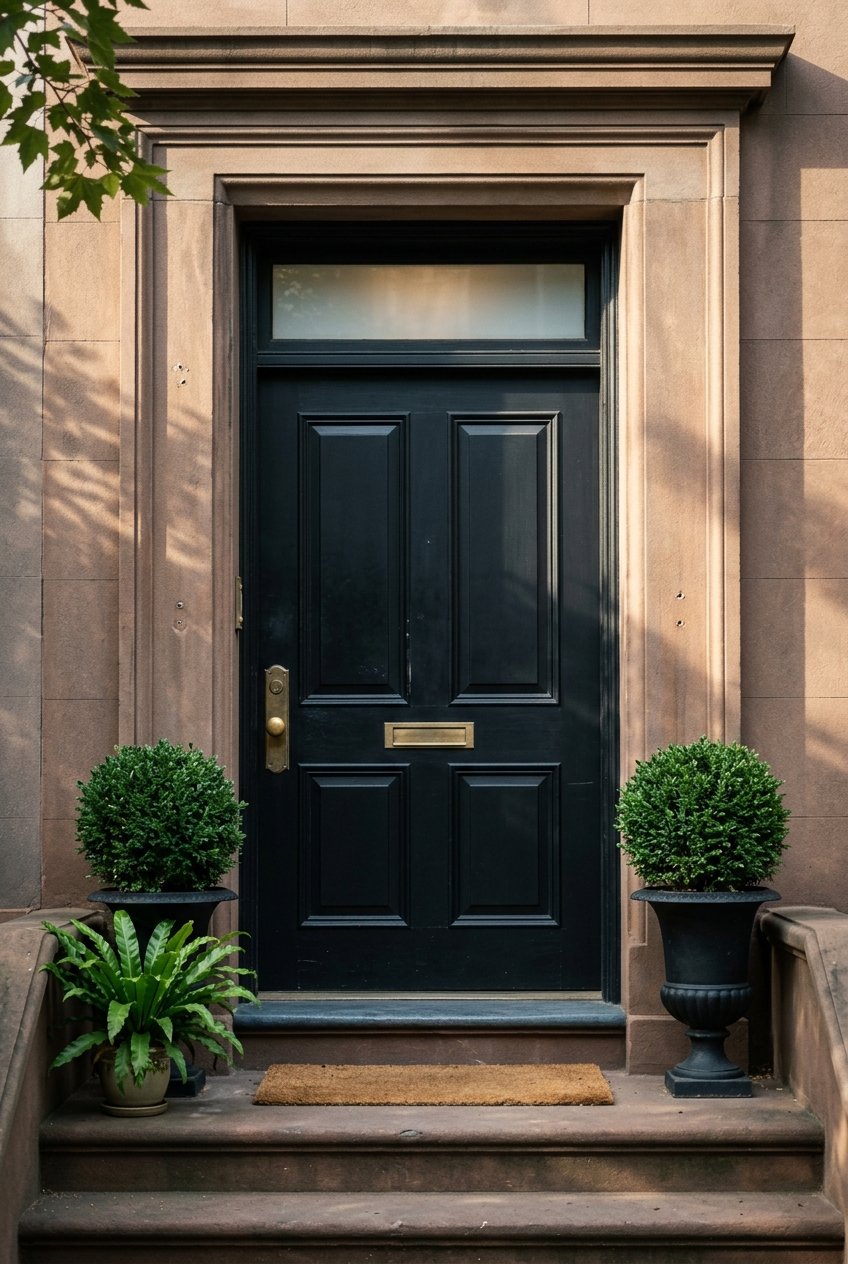
Thinking about selling your Park Slope brownstone? You are not just putting a house on the market. You are packaging history, block-by-block context, architectural detail, and a lifestyle that buyers cannot easily recreate elsewhere in Brooklyn. If you want to sell with fewer surprises and a stronger strategy, this guide will walk you through the process from prep to closing. Let’s dive in.
Understand the Park Slope Brownstone Market
Selling a brownstone in Park Slope starts with understanding what buyers are really paying for. In this neighborhood, value often comes from a mix of historic character, proximity to Prospect Park, transit access, and the feel of a specific micro-area rather than the ZIP code alone.
StreetEasy’s Park Slope overview notes that the neighborhood includes multiple micro-neighborhoods, with homes closer to Prospect Park feeling different from those nearer the 5th Avenue corridor. That matters when you position your property, because buyers often compare one block to another, not just one listing to another.
The historic setting also shapes demand. According to the NYC Landmarks Preservation Commission map and district information, Park Slope’s protected historic areas total 2,853 buildings, including the 2016 extension that added 292 mostly single-family row houses and flats. For many buyers, that preserved streetscape is part of the appeal.
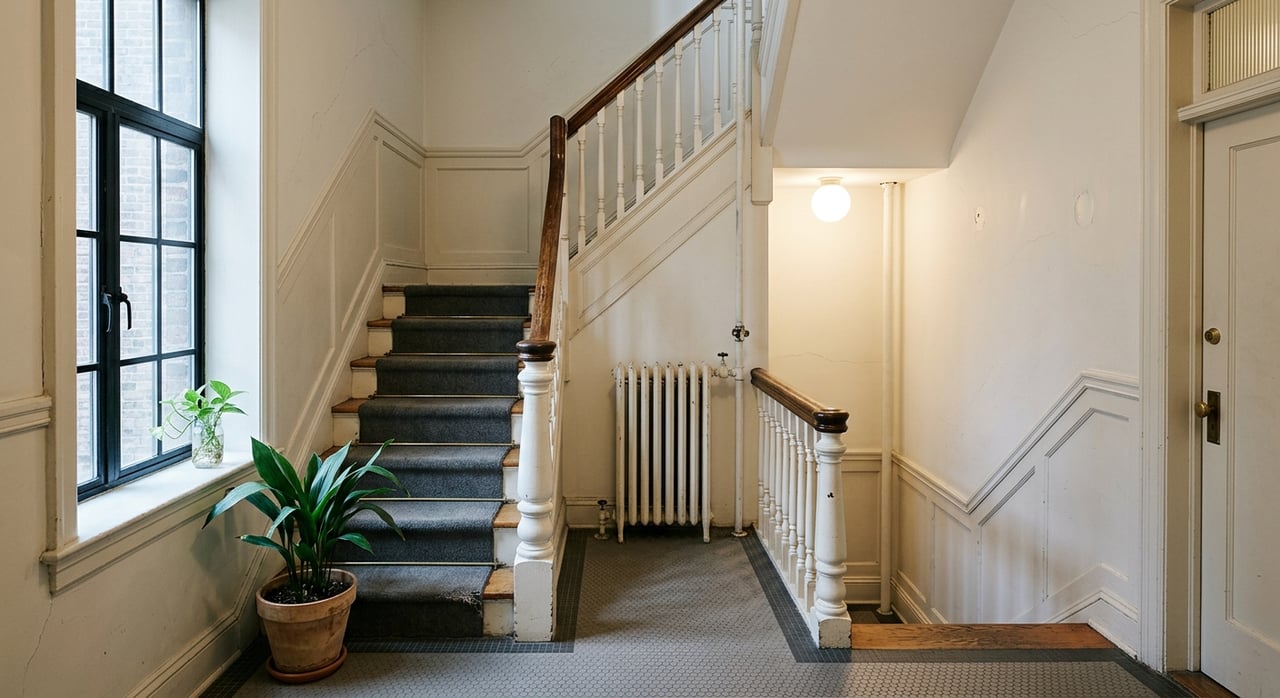
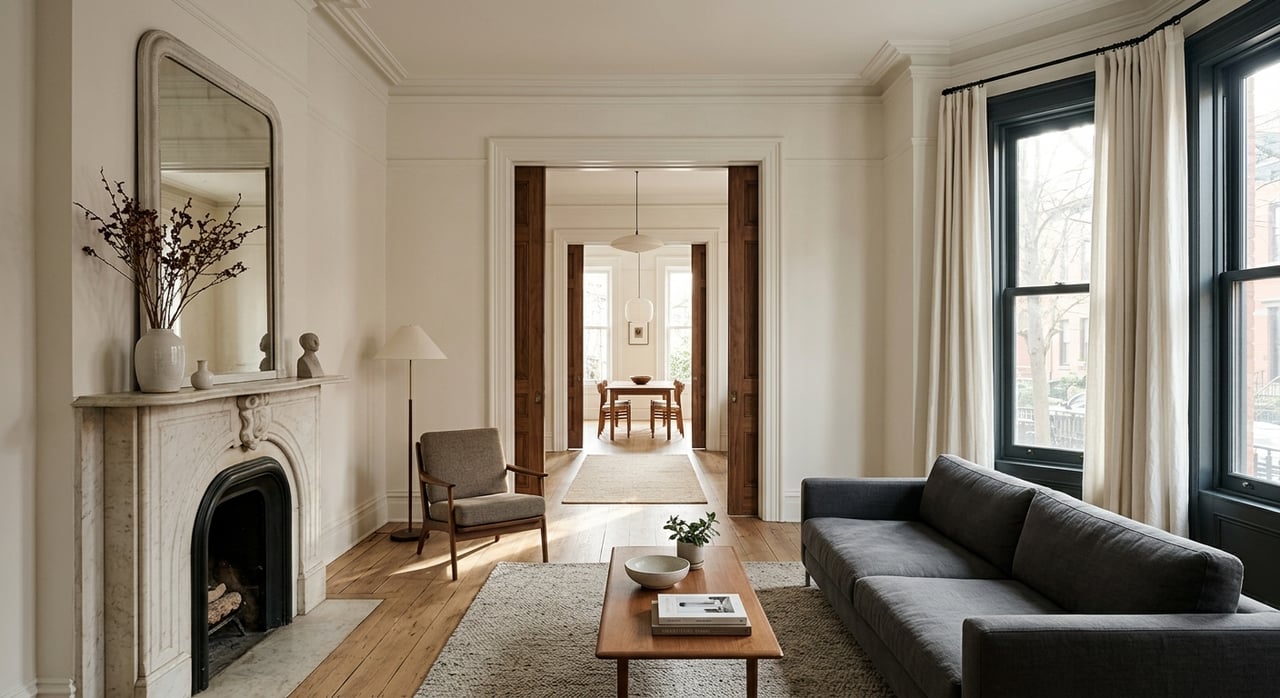
Original detail still counts too. StreetEasy’s neighborhood page highlights the ornate carved woodwork found in many Park Slope homes, which helps explain why intact period features often stand out during marketing and showings.
Step 1: Confirm Your Building Details
Before you do anything else, get clear on how your property is documented. Buyers will want to know whether the building is configured as a one-family, two-family, or three-family home, and that classification affects how they compare your property to others.
This matters because recent Park Slope sale prices vary sharply by building type. The NYC Department of Finance 2024 Brooklyn neighborhood sales data shows median sale prices of $4,772,500 for one-family dwellings, $3,725,000 for two-family dwellings, and $2,925,000 for three-family dwellings in Park Slope. That spread is a reminder that your brownstone should be evaluated against the right category from day one.
Step 2: Check Landmark Status Early
If your brownstone is in a historic district, exterior changes may require review before you list or before a buyer plans future work. That does not mean selling is harder, but it does mean you should understand the rules early so you can avoid delays or confusion.
The NYC Landmarks Preservation Commission states that it must approve alteration, reconstruction, demolition, or new construction affecting a designated building. The same page also explains that ordinary exterior repairs like replacing broken window glass or removing small amounts of graffiti generally do not require a permit, and interior work usually does not unless it affects the exterior or needs a Department of Buildings permit.
For sellers, the practical takeaway is simple: if you are considering any last-minute exterior work, check first. In many cases, preserving or repairing original details is the smarter move than trying to force visible changes right before market.
Step 3: Build a Pre-Listing Prep Timeline
Even in a high-demand neighborhood, good prep still matters. Your goal is to make the house photograph well, show cleanly, and feel well cared for without overdoing it.
StreetEasy’s timing guidance recommends giving yourself at least a month of lead time for minor repairs, painting, and decluttering before listing. For a Park Slope brownstone, that window is especially useful because older homes often have small cosmetic issues that buyers notice right away.
Focus your prep on the things you can control:
- Repair visible wear and tear
- Declutter rooms so scale and flow are easier to read
- Clean and highlight original details
- Address touch-up paint where needed
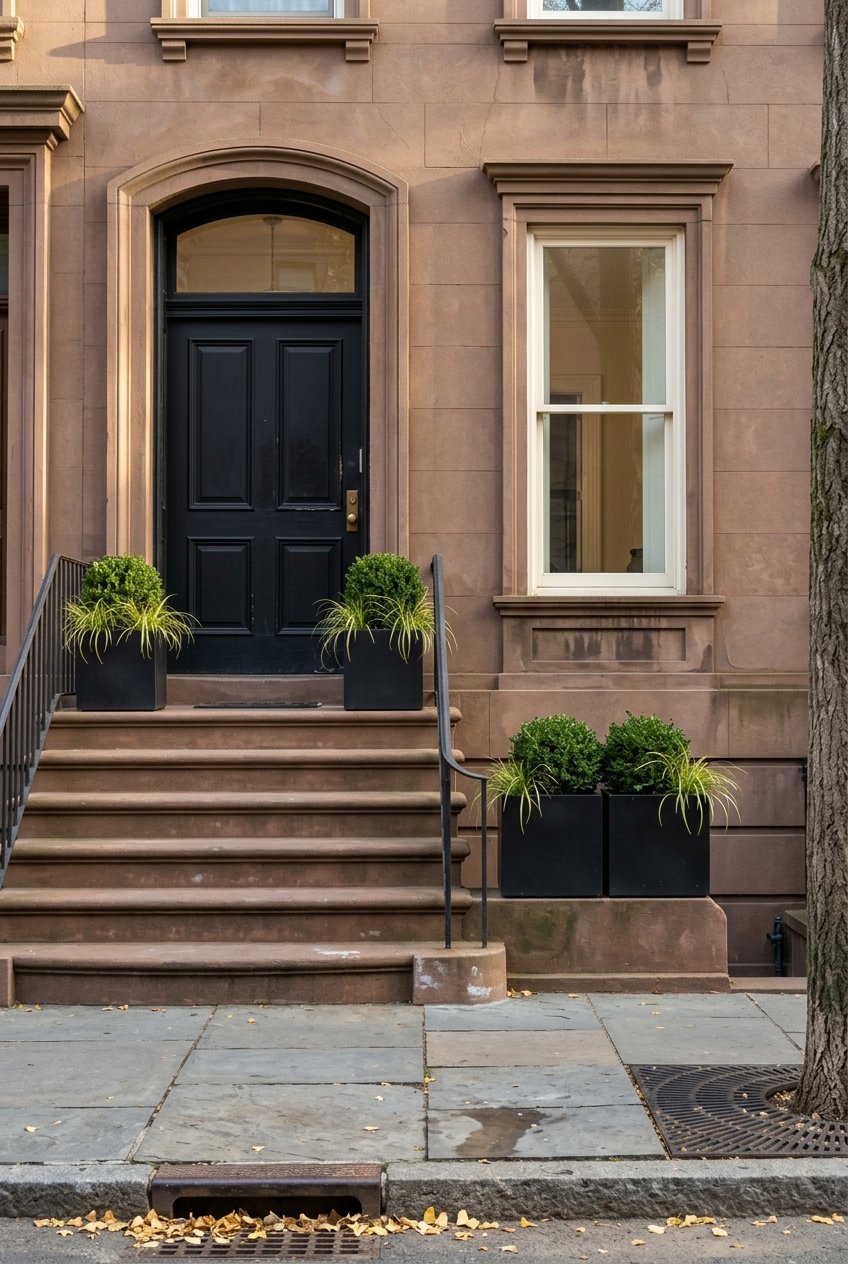
- Make sure entry, stoop, and common sightlines feel crisp
- Organize any building documentation that may answer buyer questions
This is not about stripping the home of personality. It is about letting the architecture and layout lead the set.
Step 4: Price From True Comparables
One of the biggest mistakes sellers make is using broad neighborhood headlines to price a brownstone. Park Slope is too varied for that. A townhouse near Prospect Park in strong condition does not compete the same way as a different building type on a different block.
As of March 2026, Realtor.com’s Park Slope market overview described the neighborhood as balanced, with 158 active homes, a median listing price of $1.5 million, median days on market of 50, and a 100% sale-to-list ratio. At the same time, broad listing medians are much lower than actual townhouse and brownstone sale benchmarks, so using general market averages can lead you off track.
Block position matters too. The same Realtor.com overview shows different median listing prices across North Slope, Central Slope, and South Slope. Combined with StreetEasy’s point that homes near Prospect Park can feel distinct from those closer to 5th Avenue, the message is clear: your block, building type, condition, and layout all shape pricing.
A smart pricing strategy should account for:
- One-, two-, or three-family classification
- Renovation level and remaining work
- Presence of original architectural detail
- Specific section of Park Slope
- Distance to Prospect Park and transit
- Current buyer competition for similar homes
Step 5: Time the Listing Well
The market does not move the same way all year. If you have flexibility, timing can help you attract stronger attention right out of the gate.
According to StreetEasy’s analysis of listing seasonality, March is the strongest month to list, spring inquiries are 36.5% higher than in October through December, and spring listings sell about 27 days faster than those listed in autumn or early winter. It also identifies the late-year holiday period as the weakest stretch.
That does not mean you cannot sell in another season. It means spring usually gives you a better launch window if you want the widest buyer pool and faster pace.
Step 6: Market What Buyers Cannot Replicate
The best Park Slope brownstone marketing does not just list features. It tells buyers why this particular house is hard to replace.
In this neighborhood, the strongest marketing angles often include:
- Historic district setting
- Intact period detail
- Stoop and row-house character
- Proximity to Prospect Park, which spans 526 acres
- Access to the neighborhood’s many subway lines
- Building configuration and flexibility
This is where the storytelling matters. A brownstone is not just square footage. It is original woodwork, light on the parlor floor, the rhythm of the stoop, the feel of the block, and the daily convenience of the location. Done right, your marketing should connect those facts to the buyer’s decision.
Step 7: Prepare for Buyer Questions
Serious buyers tend to focus on a few key issues quickly. They want to know how much work is left, how the property is configured, and how the block compares with other options they are tracking.
Expect questions like these:
- Is the home legally configured as one-, two-, or three-family?
- How much updating or renovation is still needed?
- Is the property in a landmarked section of Park Slope?
- What original details remain intact?
- How close is it to Prospect Park and transit?
Being ready with clear answers helps build trust. It also helps buyers move from curiosity to conviction, which is where momentum starts.
Step 8: Evaluate Offers Beyond Price
In a balanced market, the highest number is not always the best deal. Terms matter, especially with brownstones where inspection findings, financing, and timing can all affect the path to closing.
Realtor.com’s Park Slope FAQ and market summary notes that offers typically include an earnest money deposit, a clear purchase price, and contingencies for financing and inspection. When buyers and sellers are more evenly matched, strong terms can be nearly as important as headline price.
When reviewing offers, look closely at:
- Purchase price
- Financing strength
- Inspection contingency terms
- Timeline to contract and closing
- Buyer flexibility around access or move-out needs
A smooth, well-qualified deal often beats a flashy offer that comes with too much friction.
Step 9: Estimate Your Closing Costs Early
Your sale price is only part of the story. To understand your likely net, you should account for seller costs early in the process, including New York City transfer tax.
The NYC Department of Finance says the city Real Property Transfer Tax is usually paid at closing. For residential type 1 and type 2 transfers, the rate is 1% up to $500,000 and 1.425% above that.
That is why a clear net sheet matters before you go live. It helps you make better pricing decisions and avoid surprises once offers start coming in.
Step 10: Work the Sale Like a Production
A Park Slope brownstone sale has a lot of moving parts, but the process works best when it is treated like a well-run production. Prep, pricing, visuals, buyer communication, and negotiation all need to hit the stage at the right time.
If you are selling in Park Slope, you want a plan that respects the building’s history while still meeting the market where it is today. That means using real data, understanding block-level nuance, and making sure the details that set your home apart are front and center from day one.
If you are thinking about selling your brownstone and want a strategy built around your block, your building, and your goals, connect with Steve Schaefer. You will get hands-on guidance, smart positioning, and a marketing approach that treats your sale like the headline act, not the opening band.
FAQs
What makes selling a Park Slope brownstone different from selling another home?
- Park Slope brownstones are often valued based on historic character, block location, building type, original detail, and proximity to Prospect Park and transit, not just general neighborhood averages.
How should you price a Park Slope brownstone for sale?
- You should price it using true comparables that match your building type, condition, configuration, and block context rather than broad Park Slope median listing data.
Do landmark rules affect selling a brownstone in Park Slope?
- Yes, if the property is designated or located in a historic district, certain exterior changes may require approval from the NYC Landmarks Preservation Commission.
When is the best time to list a Park Slope brownstone?
- Spring is typically the strongest season, and StreetEasy reports that March is the best month to list based on higher inquiry levels and faster sales.
What costs should sellers expect when selling a Park Slope brownstone?
- Sellers should plan for closing-related costs including New York City Real Property Transfer Tax, which is generally paid at closing and varies by sale price.