If you crave big walls, bigger ideas, and a neighborhood that hums day and night, Bushwick has a way of getting under your skin. You see it in the murals splashed across Troutman Street, the energy spilling out of performance spaces, and the steady flow of artists hauling canvases on the L train. You want access, community, and a home that can double as your studio without crushing your budget. In this guide, you’ll get a clear picture of why creatives choose Bushwick, where the scene lives, what kinds of homes fit a live-work life, and how to shop smart.
Let’s dive in.
Why Bushwick pulls creatives
Bushwick’s edge is baked into its history. The neighborhood sits at Brooklyn’s northeast rim near the Queens border, shaped by a long industrial past and a strong immigrant and Latin American cultural presence. That mix of warehouses, wall space, and once-lower costs drew waves of artists and makers in the 2000s and 2010s. You can trace that evolution in the broader neighborhood profile on Bushwick’s Wikipedia page.
Transit matters too. The L train corridor, with the Jefferson Street stop as a touchpoint, makes it easy to reach Manhattan and other North Brooklyn art hubs. That quick, predictable ride helps you balance studio time, shows, and client meetings.
Street art and murals you can live inside
Bushwick’s mural culture is a calling card. The Bushwick Collective, centered around Troutman Street near the Jefferson corridor, functions like an outdoor gallery. International artists paint large-scale pieces that change the streetscape and bring steady foot traffic. If you want a primer on where to see it, Time Out’s guide to top street art spots consistently flags this cluster.
Walking those blocks gives you a feel for the neighborhood’s pulse. It is colorful, photogenic, and busy, especially on weekends. If you thrive on energy, you will feel at home. If you need quiet to record or paint, you may prefer nearby side streets where the pace slows.
Studios, galleries, and performance energy
Galleries and project spaces
Bushwick supports a layered arts ecosystem. You will find artist-run and nonprofit projects alongside independent galleries that focus on experimental shows. Spaces like Interstate Projects have hosted forward-thinking programming and residencies, and the neighborhood’s apartment-gallery tradition, often linked to groups like Norte Maar, keeps the grassroots spirit alive. The lineup can change quickly, so treat the scene as an evolving mix rather than a fixed district.
Annual open studios
Bushwick’s best-known community event is Bushwick Open Studios, produced by Arts in Bushwick and partner organizers. It opens working studios, pop-ups, and performances to the public, which is perfect for scouting spaces and meeting artists. Check Arts in Bushwick for the latest dates before you go.
Nightlife and performance
Performance and nightlife round out the creative draw. House of Yes blends circus-inspired shows, dance, and immersive performance near Jefferson and Wyckoff. Larger multi-room venues such as Elsewhere bring touring DJs and live acts that keep the calendar full. This evening culture brings collaborators and audiences into the neighborhood, which is great for creative momentum if you enjoy a busy after-hours scene.
Workspaces and everyday hubs
Maker spaces and coworking
Beyond home studios, Bushwick offers multi-tenant creative buildings and coworking geared to artists and designers. Properties like 100 Bogart and similar hubs give you flexible desks, meeting rooms, and occasional event programming. For a snapshot of coworking options across Brooklyn, see PropertyShark’s overview of top coworking spaces, which includes creative-friendly spots near the L.
Parks and community anchors
Maria Hernandez Park sits near Wyckoff, Knickerbocker, and Starr and functions as Bushwick’s living room. You will find small festivals, markets, and casual meetups there in warmer months. Local coverage of farmers markets highlights the park’s role as a daily hub for neighbors and creatives alike; browse Bushwick Daily’s roundup for context.
Housing that works for making
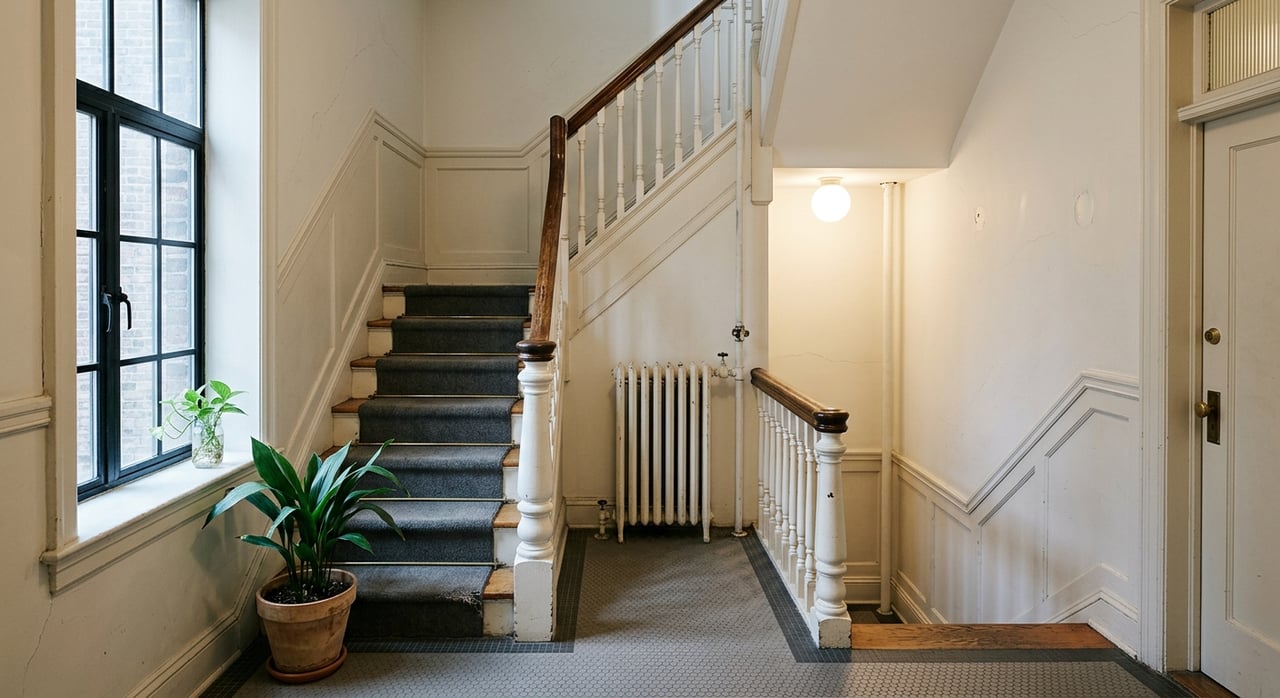
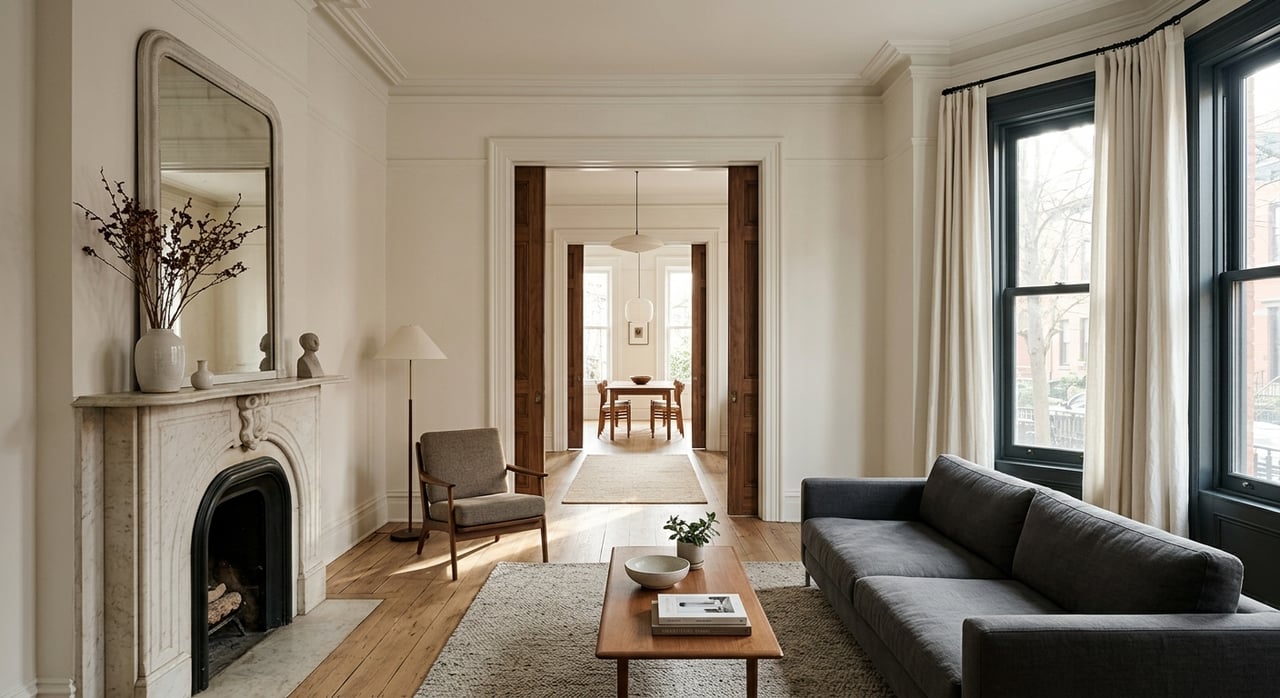
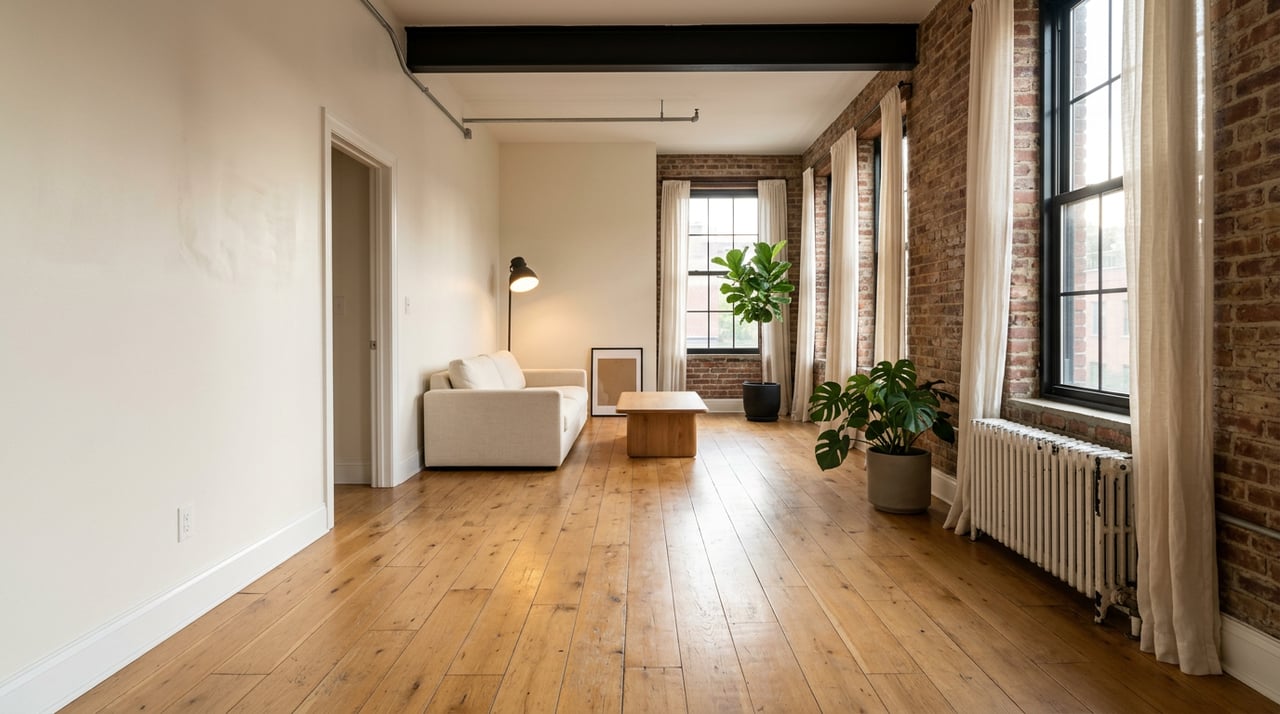
If you are building a live-work life, building type matters. Bushwick’s appeal to creatives often starts with physical space: warehouse and industrial loft conversions with high ceilings and open floors; larger prewar apartments and railroad-style walk-throughs; and three- to six-family walk-ups with flexible layouts. These forms lend themselves to studio nooks, music rooms, or shared work areas more readily than many modern elevator condos. You can glimpse the neighborhood’s building stock and history on Wikipedia’s Bushwick overview.
When you tour, pay attention to details like electrical capacity, floor loading, and access for large works. A freight-friendly ground floor might be worth more to your workflow than a skyline view.
Market snapshot and what it means
Prices in Bushwick have risen significantly since the early 2010s, and the story today is more about competition than cheap raw space. Different data providers publish different neighborhood medians, and figures can swing based on timeframes and property mixes. What is consistent is the pressure: new cultural investment and fresh audiences can accelerate demand, which helps some owners but squeezes many working artists. For a view of the neighborhood’s rapid change and community response, see The Guardian’s interactive on Bushwick.
Bottom line: affordability is relative and often block-specific. Expect wide variation between busy corridors and quieter residential pockets. If you like a home for its creative potential, move fast but verify the details.
How to shop smart in Bushwick
Bushwick rewards curiosity and due diligence. A few practical steps will save you money and headaches.
- Verify legal use. Many live-work setups began as informal conversions. Confirm the Certificate of Occupancy, intended use, and any open violations using the city’s official portal at the NYC Department of Buildings.
- Identify red flags. Watch for no CO for live-work, unaddressed HPD or DOB violations, or active development sites next door that could add noise and dust for months.
- Plan for your craft. Ask about electrical capacity, ventilation, sound isolation, elevator access, and loading for large pieces or gear.
- Test the rhythm. Visit the block on a weekday afternoon and a weekend night to understand foot traffic, deliveries, and nightlife.
Block-by-block examples
- The Jefferson and Troutman corridor. Living above a gallery or near the Bushwick Collective puts you at the center of the action. You will have instant inspiration and foot traffic that can help pop-up shows. The tradeoff is noise, weekend crowds, and possible short-term rental churn in nearby buildings.
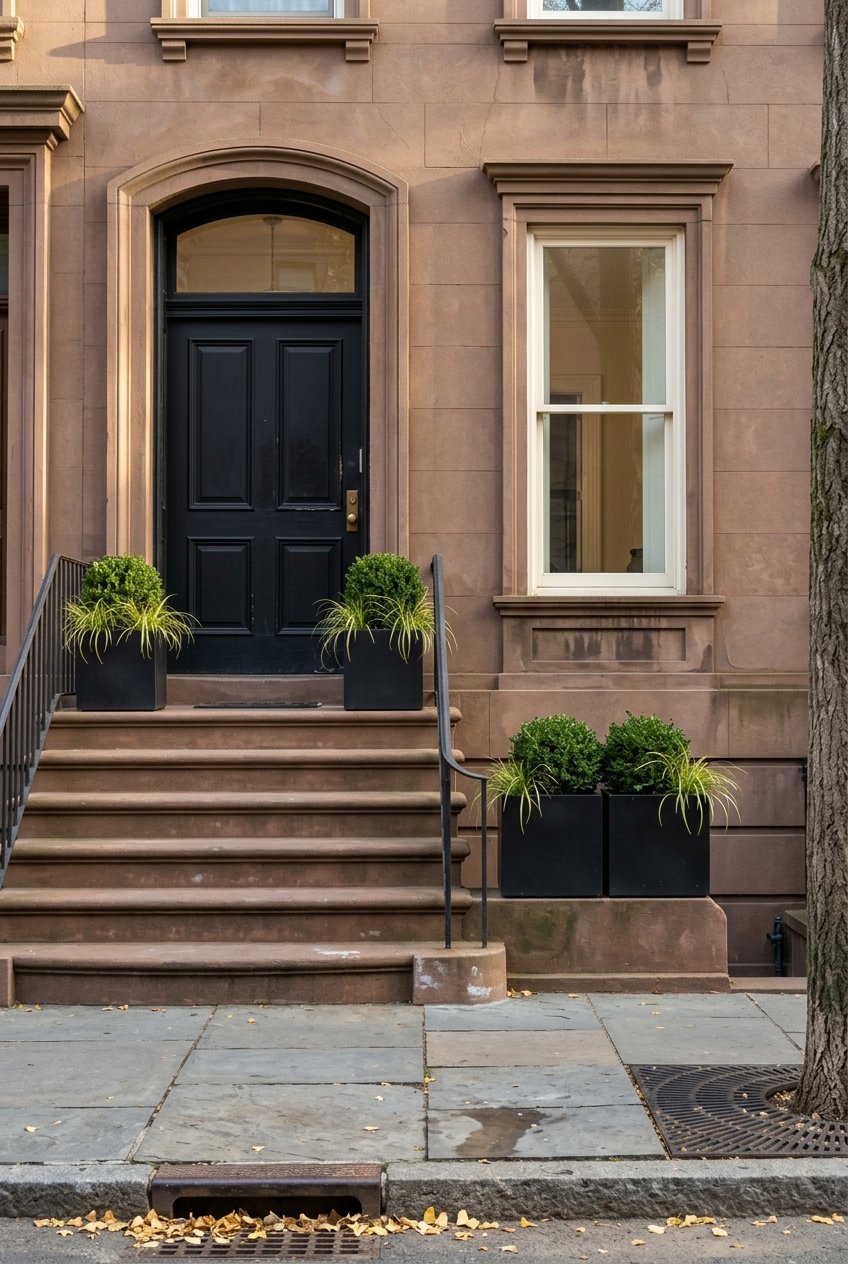
- Near Maria Hernandez Park. A brownstone-style walk-up two blocks off the park can feel more residential. You may get better light, more stable routines, and easier day work. The tradeoff is fewer spontaneous drop-ins from show-goers.
Quick checklist for creative buyers
- Walk daytime and nighttime patterns to assess noise and access.
- Visit open studios to meet artists and map real studio clusters via Arts in Bushwick.
- Check CO status, permits, and violations with the NYC Department of Buildings before you offer.
- Ask sellers about power capacity, ventilation, elevator and loading access, and storage.
- Consider proximity to studio and coworking buildings. The PropertyShark coworking roundup includes creative-friendly options like 100 Bogart.
What’s changing fast
Institutional projects and larger-scale arts investments signal momentum, and they can also push prices up. The Amant Foundation’s new campus has been a recent example covered by local press, reflecting both the opportunity of new programming and the pressure that can follow. For a sense of that dynamic, read Bushwick Daily’s piece on Amant’s opening.
If you want to track experimental programming and residencies, keep an eye on spaces like Interstate Projects and similar artist-run initiatives. Lineups shift, which is part of the neighborhood’s DNA.
Ready to find your Bushwick fit?
If you are drawn to murals, late shows, and homes with room to make, Bushwick can be an incredible launchpad. The key is to pair the scene’s spark with smart due diligence so your space works for you on day one. When you are ready to tour options, surface off-market opportunities, and verify the details that matter for live-work life, reach out to Steve Schaefer for hands-on guidance.
FAQs
Where is Bushwick’s art scene concentrated?
- The highest concentration is around Troutman Street near the Jefferson corridor, where the Bushwick Collective’s murals anchor an outdoor gallery, with clusters of galleries and studios on surrounding blocks. See Time Out’s street art guide for an overview.
What kinds of homes work for live-work in Bushwick?
- Many creatives choose warehouse or industrial loft conversions for open floor plans, larger prewar apartments and railroad-style units for flexible layouts, and small multi-family walk-ups for value. Learn more about local building stock on Wikipedia.
Is Bushwick affordable right now for creatives?
- Affordability is relative and varies by block. Prices have climbed since the 2010s, and competition from investors and higher-budget buyers has increased. For context on change and its impacts, see The Guardian’s Bushwick interactive.
What should I check before buying a live-work space?
- Confirm the Certificate of Occupancy, permitted use, and any open violations with the NYC Department of Buildings, and ask detailed questions about power, ventilation, access, and loading so the space supports your craft from day one.