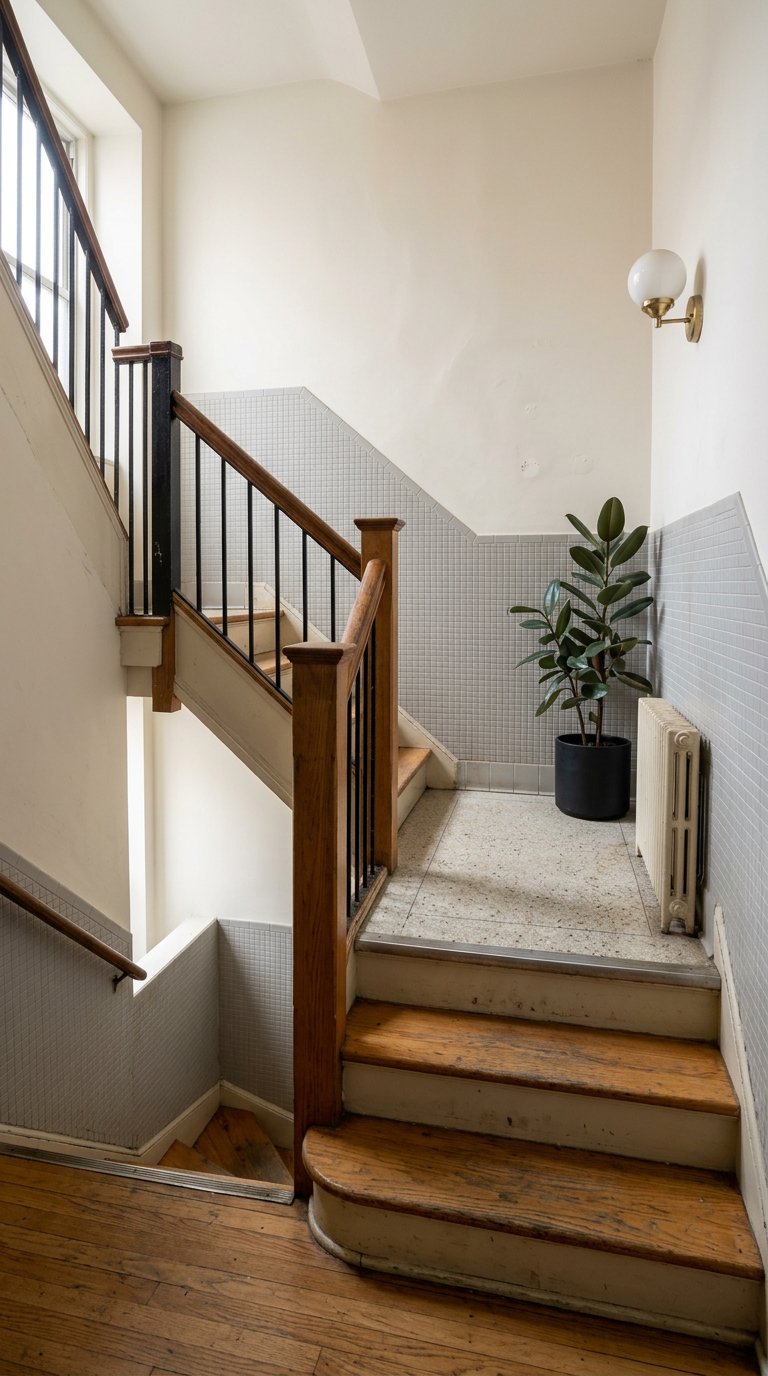
Trying to choose between a shiny waterfront condo and a classic Greenpoint walk‑up is like picking your favorite track on a great album. Each one hits different, and both can be the right move depending on how you live and what you want to spend each month. If you’re weighing views and amenities against character and stairs, you’re not alone. In this guide, you’ll get a clear look at lifestyle, costs, risks, and the key due‑diligence steps so you can buy with confidence. Let’s dive in.
Market snapshot: pricing and supply
Greenpoint is a high‑price, low‑inventory pocket of Brooklyn. Recent trackers place neighborhood medians around the low seven figures, with some reports noting a median sale price near $1.5 million, while month‑to‑month numbers vary. Condos on the waterfront and new developments typically sit at a premium compared with prewar walk‑ups and smaller co‑op buildings on interior blocks, while townhouses and renovated two‑families chart their own premium tier. Use building‑specific comps, not one neighborhood number, when you zero in on a property. PropertyShark’s market trends provide useful context on how product types differ.
Waterfront condos: what you get
Everyday life and amenities
Newer waterfront towers deliver a turnkey routine. Expect elevators, large windows, in‑unit laundry, modern HVAC, open kitchens, and a higher share of two‑ and three‑bed layouts. Amenity packages often include fitness centers, coworking spaces, rooftops, playrooms, and pet facilities, which can replace separate gym or workspace memberships. See how a building like One Blue Slip frames daily life with its suite of amenities on the features and amenities page.
Waterfront master plans also bring parks and promenades to your doorstep. Greenpoint Landing, the neighborhood’s largest waterfront project, adds public open space and design that shapes how you spend weekends outside. Explore the Greenpoint Landing master plan to see the scale and intent of the riverfront.
Commute and transit
Ferry access is a real perk for many buyers. Greenpoint’s NYC Ferry landing can shorten certain commutes and make weekend trips feel easy. That said, service has had intermittent outages in the past, so check current schedules and status before you make the ferry part of your daily plan. For background, the Brooklyn Eagle covered the Greenpoint ferry’s reopening and reliability history.
Costs and tradeoffs
You’ll usually face a higher purchase price, higher property taxes paid directly by the owner, and monthly common charges tied to amenities and staffing. In return, you skip most building maintenance chores, enjoy predictable services, and move right in. New developments can come with short‑term warranty coverage and typical sponsor punch‑list items, so you should review the offering plan and building disclosures closely.
Walk‑ups and rowhouses: what you get
Everyday life and character
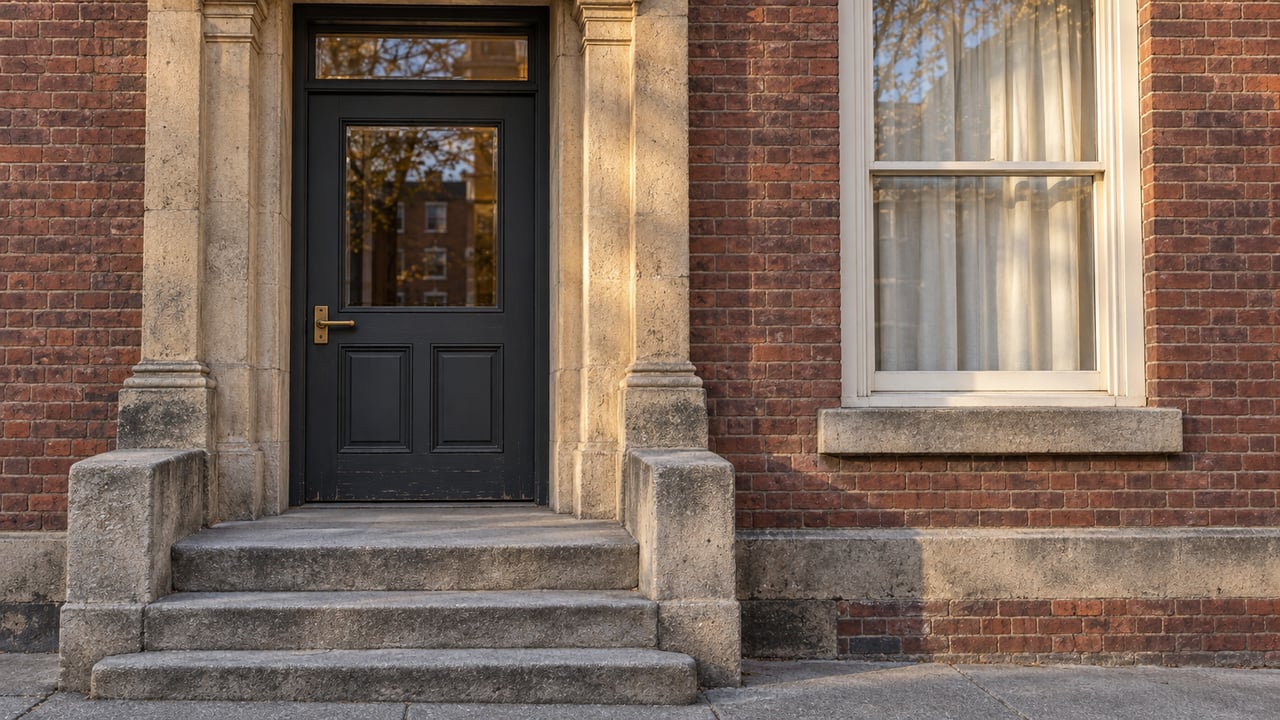
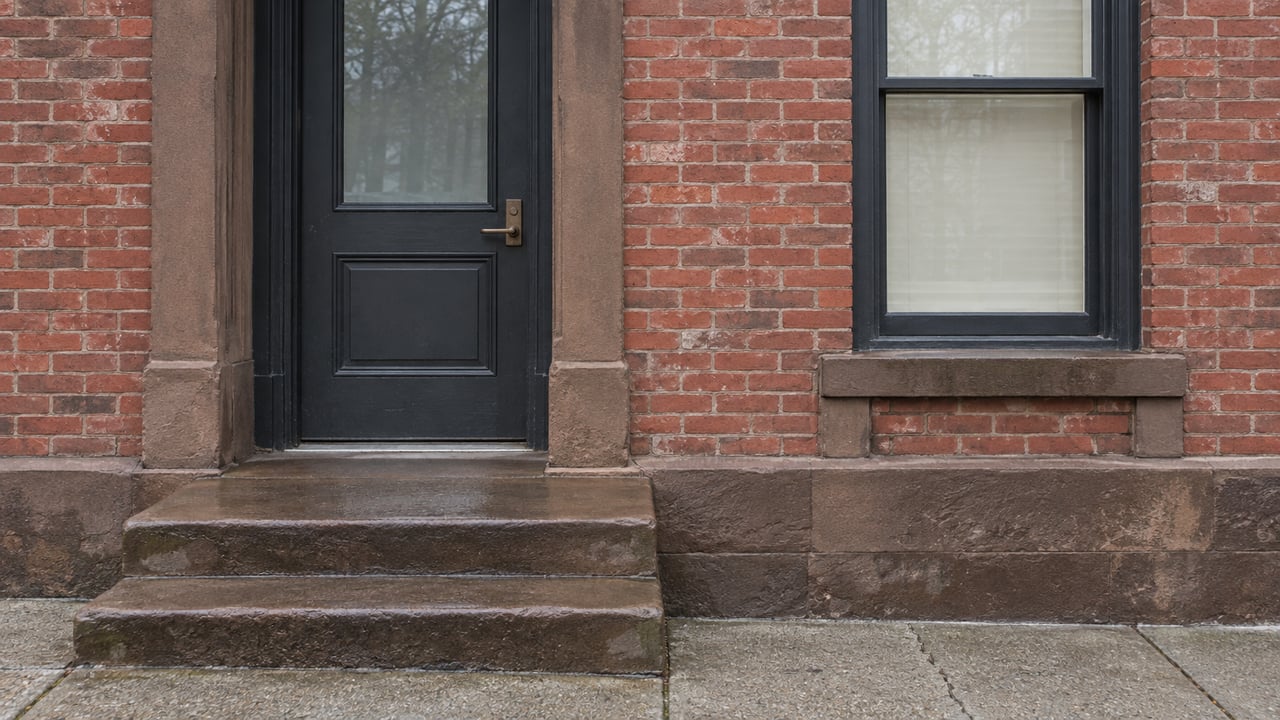
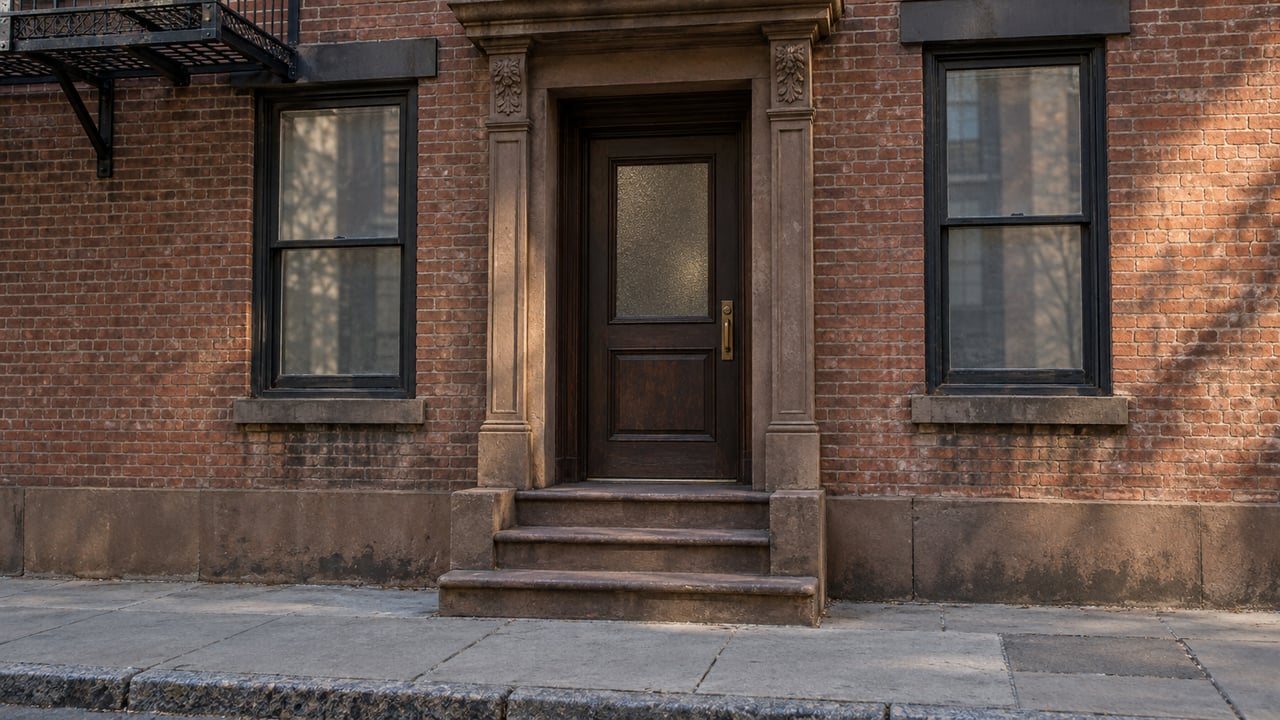
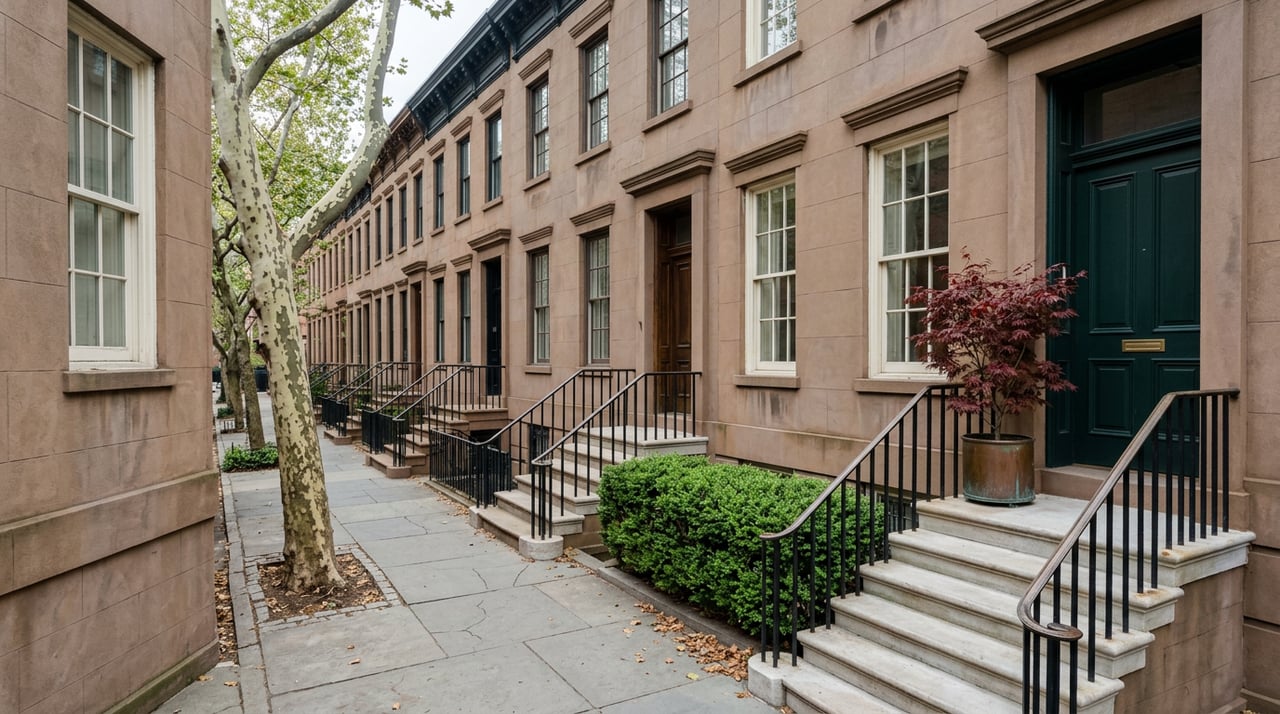
On tree‑lined interior blocks, prewar walk‑ups and classic rowhouses offer space, texture, and neighborhood rhythm. You’re close to commercial corridors like Manhattan Avenue, Franklin Street, and Nassau Avenue, with a street‑level feel many buyers love. Rowhouses often add private outdoor space, which is a draw for gardening or pets. Expect fewer in‑building amenities and more independent daily routines.
Access and maintenance
Walk‑ups mean stairs, and that’s a real consideration for anyone with mobility needs or strollers. Buildings are typically smaller and older, so systems like plumbing, boilers, windows, and facades need periodic capital work. That repair risk can feel higher over time, even if monthlies look low upfront. For a quick primer on NYC building types and what to expect maintenance‑wise, this guide to common building types is helpful.
Costs and tradeoffs
Purchase prices per square foot can be lower than new waterfront condos in some cases, especially in smaller co‑ops or simple walk‑up condos, but it is building‑specific. You may trade elevator convenience, large amenity sets, and skyline views for character, block feel, and private space. Long‑term, set aside a healthy maintenance budget for older structures and expect occasional special assessments in small buildings.
Ownership and financing: condo vs co‑op vs townhouse
What you actually own
- Condo: You hold a deed to your unit. You pay monthly common charges for shared services plus a separate property tax bill. Condos are typically easier to finance and more flexible for investors.
- Co‑op: You buy shares in a corporation and receive a proprietary lease. Monthly maintenance often includes the building’s real estate taxes and, if present, the building mortgage. Co‑op boards can require detailed financials and can decline buyers, which often lowers list prices but adds steps and time.
- Townhouse/rowhouse: You own the building and land outright and are fully responsible for upkeep, taxes, and insurance.
Down payments and approvals
Many co‑ops expect conservative financing, often 20 to 30 percent down depending on the building. Condos can allow lower down payments with some lenders, at times in the 10 to 15 percent range depending on the borrower and building. If financing a condo, ask your lender early whether the building is considered warrantable for agency loans; this overview of New York mortgage basics can help you frame the right questions.
Closing costs
Condo buyers typically pay title insurance and a mortgage recording tax when financing, which increases closing costs compared with a co‑op share purchase. Co‑op purchases avoid the mortgage recording tax but can include building‑specific fees like move‑in deposits or flip taxes. Always build a line‑item estimate with your attorney and lender before you make an offer.
Monthly carrying costs
Compare the total monthly outlay, not just one line item. A condo owner pays common charges plus property taxes. A co‑op’s maintenance often bundles taxes, heat or hot water in some buildings, and any building mortgage service, so the single number may look higher even if the total is similar. Amenity‑rich condos can run higher monthlies because staffing and services drive costs; small walk‑ups can look lean but may levy special assessments for capital work later.
Risks and long‑term planning
Flood and insurance on the waterfront
Check exact‑address flood risk for any waterfront building. NYC’s Flood Hazard Mapper shows current FEMA designations and future sea‑level scenarios. Portions of Greenpoint Landing earned WEDG recognition for resilient waterfront design, and the master plan includes terraced promenades intended to address coastal conditions. If a property sits in a Special Flood Hazard Area and you use a federally backed loan, flood insurance will be required, so confirm whether the building carries a master flood policy and what your HO‑6 must cover.
New‑building warranties and sponsor items
Sponsor condos come with a punch‑list period and short‑term warranty coverage. Review the offering plan and disclosures for sell‑off percentage, any guarantees, and pending litigation. Confirm that marketed amenities match what is filed in the plan and ask about timing for any still‑to‑be‑delivered features. You can preview the master plan context and delivery phasing at Greenpoint Landing’s project page.
Resale liquidity and buyer pool
Condos usually have a larger buyer pool, including investors and out‑of‑area buyers, and often close faster since there is typically no co‑op board approval. Co‑ops and small walk‑ups can trade at more competitive prices but may have longer, more conditional processes. Understanding that dynamic helps explain why similar‑size condos often command a premium.
Which Greenpoint home fits you
- Waterfront condo fit: You want turnkey living, on‑site services, modern layouts, and views. You like the idea of a gym downstairs, a rooftop to unwind, and the ferry as part of your commute, with fewer home‑maintenance tasks.
- Walk‑up or rowhouse fit: You value prewar character, street‑level neighborhood feel, and potentially lower price per square foot compared to new development. You are comfortable with stairs and the responsibility that comes with an older building, especially in a small co‑op or fee‑simple house.
- Investor fit: You prefer the rental flexibility and financing ease of condos. You will still verify building rules on leasing and any tax abatements that affect returns.
Due‑diligence checklist for Greenpoint buyers
For any unit:
- Ask for the last 2 to 3 years of building financials, reserve study, and recent meeting minutes, and look for litigation or planned capital projects.
- Verify property‑tax treatment and whether any abatements or PILOTs apply.
- Confirm elevator condition if present, and ask about roof, facade, plumbing risers, and boiler upgrades. Review any recent DEP or 311 complaints.
- For waterfront addresses, run the property on the NYC Flood Hazard Mapper and confirm whether the building has a master flood policy and how coastal‑protection assessments would be handled.
For condos and new developments:
- Review the offering plan for sponsor sell‑off percentage, guarantees, pending litigation, and warranty terms. Confirm amenities listed in marketing match the plan.
- Ask whether the master insurance policy is walls‑in or walls‑out, and price your HO‑6 accordingly. This primer on condo master insurance explains the difference.
- Confirm building warrantability with your lender early, since it affects loan options and future buyer pool. A quick New York mortgage overview can help you prep questions.
For walk‑ups and rowhouses:
- Order a thorough inspection covering roof, foundation, cellar or basement waterproofing, and all mechanicals. As a rule of thumb, budget roughly 1 to 4 percent of property value annually for maintenance, per this home maintenance budgeting guide.
- If buying a co‑op, prepare your board package early. Expect a detailed financial review and an interview, plus down‑payment thresholds that can be higher than condos.
Bottom line
Both paths work in Greenpoint. Condos on the water deliver convenience, views, and services with a price premium and structured monthly costs. Walk‑ups and rowhouses trade amenities for character, private outdoor space options, and potentially lower buy‑in, with hands‑on maintenance and a different ownership framework. If you want help pressure‑testing the numbers and the lifestyle fit, connect with Steve Schaefer to map your options and move with confidence.
FAQs
What is the main difference between a Greenpoint condo and a co‑op?
- A condo gives you a deed and separate property tax bill with generally easier financing and resale, while a co‑op sells you shares with a proprietary lease, board approval, and maintenance that often bundles taxes and some building costs.
Are Greenpoint waterfront buildings in flood zones, and how do I check?
- Many waterfront parcels carry some flood designation; run the exact address on the city’s Flood Hazard Mapper and review the building’s master insurance for flood coverage.
How reliable is the Greenpoint NYC Ferry for daily commuting?
- The ferry is a legitimate commute option, but service has seen intermittent outages in the past, so confirm current schedules; the Brooklyn Eagle’s coverage gives helpful context.
Do waterfront condos in Greenpoint have resiliency features?
- Many do; Greenpoint Landing integrates terraced waterfront design and has earned WEDG recognition for resiliency, though you should still review flood maps and insurance.
What monthly fees should I expect in an amenity‑rich condo?
- Charges vary by building, but full‑service or amenity‑heavy towers tend to have higher monthlies due to staffing and services, so compare total monthly cost, including taxes, against a co‑op’s bundled maintenance.
How much should I budget for maintenance on an older walk‑up or rowhouse?
- A common rule of thumb is about 1 to 4 percent of the property’s value per year for upkeep, per this maintenance budgeting guide.