Trying to decide whether to rent or buy in the East Village? You are not alone. This is one of Manhattan’s most recognizable neighborhoods, but it comes with a very specific housing mix, a wide price range, and a lifestyle that can feel worth the tradeoff if you love being in the middle of it all. If you are weighing flexibility against stability, this guide will help you frame the choice with real local context. Let’s dive in.
East Village at a Glance
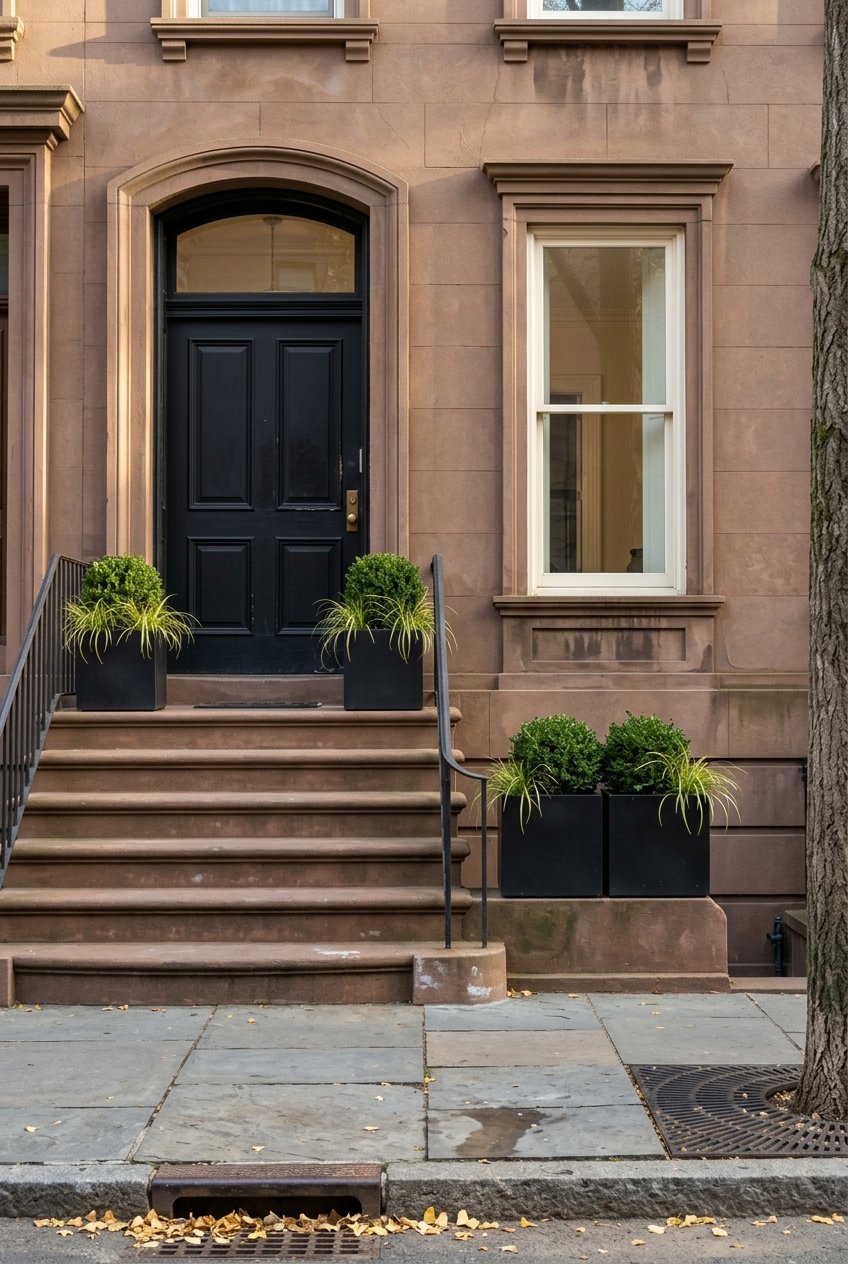
The East Village is defined by older housing stock, smaller apartments, and strong location appeal. According to StreetEasy’s East Village neighborhood data, the area is still dominated by prewar walk-ups, with relatively few new condos.
That matters because your rent-or-buy decision here is rarely just about monthly cost. It is also about whether you are comfortable with compact layouts, possible updates, and the tradeoff of space for location.
The neighborhood remains highly connected and easy to navigate without a car. Redfin’s East Village market snapshot gives it a 98 Walk Score, 99 Transit Score, and 98 Bike Score, while NYC Parks notes Tompkins Square Park as a well-known green space in the center of the neighborhood.
East Village Price Snapshot
If you are comparing renting versus buying, the first thing to know is that East Village pricing has a wide spread. On the rental side, StreetEasy reports a median base rent of $4,650. On the sales side, StreetEasy lists a median sale price around $920,000, while Redfin’s February 2026 data puts the median sale price at $909,500.
Active listings show how much condition and property type can change the number. StreetEasy examples include rentals from a $2,475 studio to higher-end units around $6,895, and sales from a $525,000 one-bedroom to a $5.9 million penthouse.
Here is the simplest takeaway: East Village is not a one-price neighborhood. A small walk-up apartment, a renovated condo, and a premium top-floor home can sit miles apart in pricing even within the same few blocks.
When Renting Makes More Sense
Renting usually works best if you want flexibility. If you are new to the East Village, unsure how long you will stay, or just want to test your day-to-day life in the neighborhood, renting can be the lower-commitment move.
That matters in a place like this because the housing stock is so specific. Many apartments are in older walk-up buildings, and the size and layout may feel very different from what you would find in other parts of Manhattan or nearby Jersey City.
StreetEasy’s current listings suggest a practical rental pattern:
- Under about $3,000 is often studio territory
- Around $3,500 to $4,500 is where many one-bedrooms start to appear
- Above $5,000 is where you are more likely to see larger, renovated, or more amenity-heavy rentals
This is not a hard pricing rule, but it is a useful way to think about the current inventory. It can help you set expectations before you start touring.
Why Renting Appeals in East Village
The biggest advantage of renting is optionality. If your job, lifestyle, or priorities might change in the next few years, renting gives you a cleaner exit path.
It can also be a smart way to test the neighborhood itself. The East Village has real energy, strong walkability, and easy transit access, but the daily experience of a fourth-floor walk-up or a smaller footprint is something you usually understand best after living with it.
There is also a cost structure benefit. New York State’s homebuyer guidance notes that buyers generally face closing costs such as filing fees, transfer tax, and mortgage recording tax, which renters avoid.
One important note: StreetEasy says listed rents are base rent only, so the advertised number is not always the full move-in cost. That makes it especially important to budget beyond the headline rent.
When Buying Makes More Sense
Buying tends to make more sense if you see the East Village as a long-term base. If you want more stability, expect to stay put, and are comfortable with the neighborhood’s older housing stock, ownership can be worth a closer look.
The East Village is not overflowing with new development inventory. StreetEasy’s neighborhood overview notes that new condos are relatively limited, and many available homes are smaller prewar units.
That means buyers often need to be very clear about their goal. Are you looking for a starter home, a long-term residence, or a premium property with more space and upgraded finishes? In this neighborhood, that question shapes your search quickly.
What Buying Looks Like Here
The ownership market covers a broad range, but there is still a useful middle picture. StreetEasy shows a median sale price around $920,000, and Redfin’s recent median is $909,500. At the same time, StreetEasy’s market roundup cited a median asking price of $1.199 million.
That tells you something important: asking prices and closed prices can sit in different places, and active inventory may lean higher than the overall median sale data. You should expect many East Village purchase opportunities to cluster from the high-$500,000s into the low seven figures, with premium homes well above that.
Current examples help make that real:
- Around $525,000 for an entry-level one-bedroom
- Around $850,000 for another one-bedroom option
- Around $1.2 million for a higher-priced one-bedroom
- Around $2.465 million for a two-bedroom
- Around $5.9 million for a penthouse-level property
That range is one reason buying here rewards a focused search. The neighborhood may be compact, but the pricing ladder is not.
The Real Cost of Buying
Monthly payment is only part of the ownership picture in New York. New York State explains that buyers generally face filing fees, transfer tax, and mortgage recording tax at closing, and some larger transfers may involve additional state taxes.
In plain English, buying comes with more friction on day one than renting does. That does not make buying the wrong move, but it does mean ownership usually works better when you plan to stay long enough for those upfront costs to feel worthwhile.
This is especially true in a neighborhood where many homes are older and may need updates. If you buy in the East Village, it helps to go in with clear expectations about condition, layout, and longer-term fit.
Rent vs. Buy by Lifestyle
The cleanest way to make this decision is not pure math. It is lifestyle, timing, and how confident you are that the East Village fits the way you want to live.
Here is a practical breakdown:
Rent if you want flexibility
If you want to try the neighborhood before committing, renting gives you room to learn. It also makes sense if you expect a move in the near term or want a more predictable short-term exit.
Buy if you want stability
If you already know the East Village works for you, buying can offer a stronger sense of permanence. It is often the better fit if you are ready for the upfront costs and willing to shop carefully for size, condition, and ownership structure.
Rent first if you are unsure about space
This neighborhood asks many people to compromise on square footage. If you love the location but are not sure how a smaller apartment or walk-up lifestyle will feel, renting first can act like a test drive.
Questions to Ask Yourself
Before you decide, ask yourself a few simple questions:
- How long do you realistically expect to stay in the East Village?
- Do you want flexibility, or do you want control and stability?
- Are you comfortable with smaller layouts and older buildings?
- Is your budget built for more than just the monthly number?
- Would renting first help you make a better long-term decision?
If your answers lean toward mobility and low commitment, renting may be the better call. If they lean toward long-term roots and you are comfortable with the higher upfront costs, buying may deserve serious consideration.
A Local Take on the East Village Choice
The East Village has a strong identity, and that is part of the appeal. People often choose it for the walkability, transit access, neighborhood energy, and the ability to be close to what matters in daily city life.
But this is also a market where tradeoffs are very real. Space can be tight, buildings can be older, and pricing can shift dramatically depending on the exact apartment.
That is why the best rent-versus-buy decision here is usually the one that matches your timeline, comfort level, and lifestyle goals, not just the headline numbers. If you want help sorting through East Village rentals, co-ops, condos, or purchase opportunities with a clear local lens, Steve Schaefer can help you build a plan that fits the way you actually live.
FAQs
Should you rent or buy in the East Village if you may move soon?
- If you think you may move in the near term, renting is usually the more flexible option because it avoids the upfront closing costs and resale timing of buying.
What does it cost to rent an apartment in the East Village?
- StreetEasy’s East Village data shows a median base rent of $4,650, with current listings ranging from lower-priced studios to higher-end rentals above $6,000.
What does it cost to buy an apartment in the East Village?
- Recent market snapshots place the median sale price around $909,500 to $920,000, though active listings range from about $525,000 to several million dollars depending on size, condition, and property type.
Is the East Village a good place to test with a rental first?
- Yes. Because many apartments are smaller prewar walk-ups, renting first can help you decide whether the neighborhood’s space and building style work for your everyday life.
What extra costs should buyers expect in the East Village?
- Buyers in New York generally face closing costs that can include filing fees, transfer tax, and mortgage recording tax, based on New York State homebuyer guidance.
How walkable is the East Village for renters and buyers?
- The East Village is highly walkable and transit-friendly, with Redfin scoring it 98 for walkability, 99 for transit, and 98 for biking.